How to Get the Ideal Dimensions of Hygienic Wall and Ceiling Panels for Your Structure
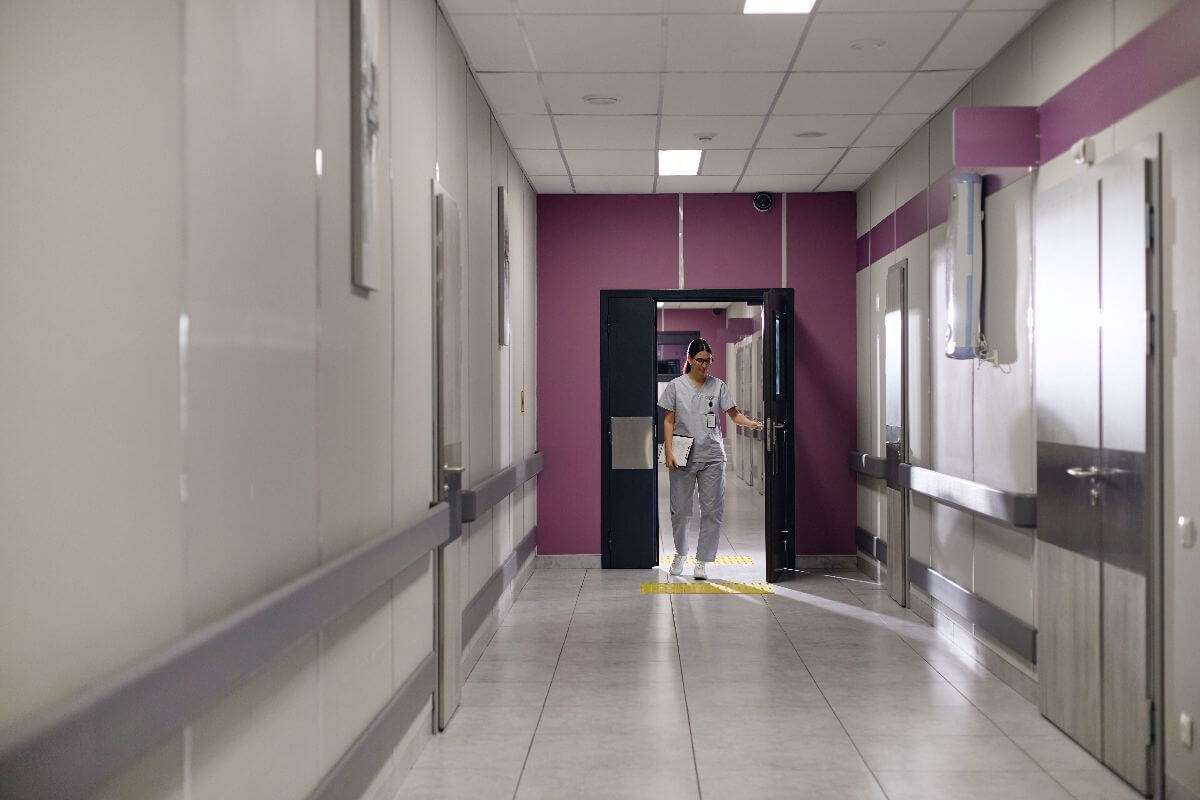
How to get the ideal dimensions of hygienic wall and ceiling panels for your structure?
- Measure the Space Accurately
- Standard Hygienic Panel Dimensions
- Determine Ideal Thickness
- Optimize for Specific Environments
- Finalize with Profiles
Overview
- Selecting the correct dimensions for hygienic wall and ceiling panels is essential for ensuring proper fit, durability, and efficient installation.
- Accurate measurements, appropriate thickness, and environment-specific materials help reduce waste, prevent installation issues, and support hygiene standards.
- Custom sizing and proper profiles further improve performance and long-term structural reliability.
Choosing the right panel size is an important first step in any hygienic wall or ceiling project, especially in facilities that require strict cleanliness, durability, and efficient installation.
Understanding how to get ideal dimensions of hygienic walls and ceiling panels helps ensure a better fit for your structure, reduces unnecessary material waste, and supports a more seamless finish.
In this article, we’ll help you determine the right dimensions for your hygienic walls and ceilings.
Measure the Space Accurately
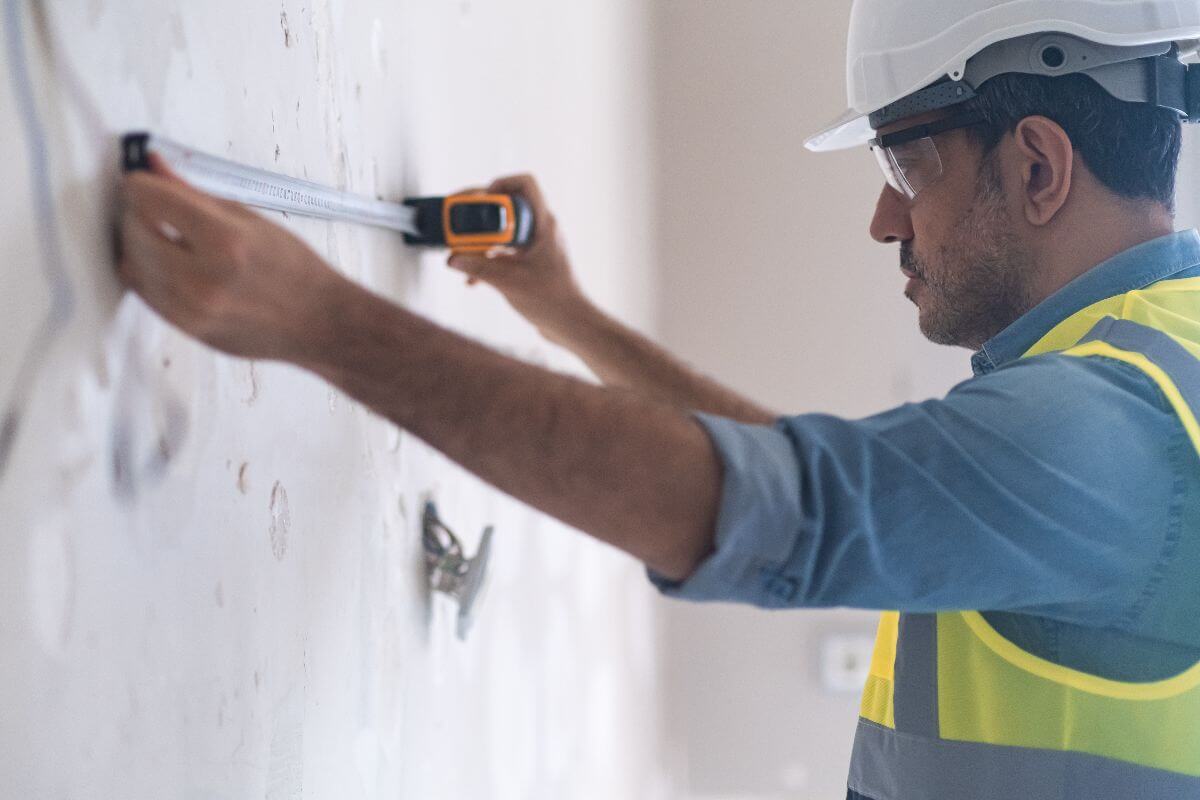
Properly fitted panels reduce costly rework. Gaps, overlaps, or buckling, particularly in tongue-and-groove systems, can be even mitigated. That is why accurately measuring the space is essential to avoid these problems. And here’s a step-by-step guide to get the right measurement.
Wall Width Measurement:
- Measure horizontally from corner to corner with a tape measure held taut.
- For tongue-and-groove panels (nominal 1150mm), account for 10–15mm overlap per joint.
- Divide the total wall length by the effective panel width (e.g., 1135mm) to determine the number of panels required.
- Add approximately 10% extra panels for waste.
Wall Height Measurement:
- Measure vertically from floor to ceiling at multiple points to detect variations.
- Use a laser level or plumb line to establish a reference line, typically 100mm above the floor.
Preparing for Proper Fit:
- For irregular surfaces, use panels 2.5–3mm thick to prevent buckling.
- Fill bumps and ensure walls are dry before installation.
- Plan layout to minimize joints and seal edges for hygiene.
- Follow sequential panel assembly in corners for tight fits.
Custom Hygienic Panel Dimensions
Not all facilities have the same structures. For instance, a food processing plant may need taller panels to cover high ceilings, while a pharmaceutical lab may require panels that align with cleanroom workflows for strict hygiene.
These variations make it clear that one-size-fits-all solutions rarely meet real-world needs.
In this situation, custom panels are essential to meet your facility’s unique needs. They don’t need cutting or adjustments to fit unusual layouts, as they are designed for the exact dimensions of your space. As a result, you get a precise fit, minimizing installation errors.
At Flooring Solutions, we’ve got you covered, as we offer customizable wall panels tailored for your facility. Our service ranges from food and beverage to pharmaceuticals and manufacturing, and we understand the unique operational and hygiene needs of each facility.
Determine Ideal Thickness
Panels that are too thin may fail under operational stress, while excessively thick panels can complicate installation and increase costs. Determining the ideal thickness upfront helps you achieve a precise fit and ensure long-term durability.
Factors to Consider When Choosing Thickness:
- Wall Height and Ceiling Type: Taller walls or ceilings with heavy equipment may require thicker panels for stability.
- Surface Irregularities: Uneven walls may benefit from slightly thicker panels to conform without buckling.
- Hygiene Requirements: Facilities with strict cleanliness standards may use thicker panels to reduce the number of joints and seams where contaminants can accumulate.
- Material Type: FRP, PVC, stainless steel, and HPL panels have different strength properties that influence the optimal thickness.
Optimize for Specific Environments
In the Philippines, facilities are exposed to environmental stresses such as humidity, chemicals, foot traffic, and temperature changes. So, it is important to optimize the hygienic wall and ceiling panels to stay durable and cleanable.
Key Considerations by Environment:
- Moisture Areas: FRP or PVC resists water and mold.
- Chemical Zones: Resistant coatings or laminates protect against cleaners and spills.
- High-Traffic Areas: Thicker (2.5–3 mm+) or reinforced panels absorb impact.
- Temperature Shifts: Stainless steel or GRG maintains stability without warping.
At Flooring Solutions, as a specialized provider of hygienic panels, we offer a comprehensive turnkey approach for various industries. Our panels feature non-porous and chemical-resistant surfaces that excel in moisture-heavy, high-traffic environments.
Finalize with Profiles
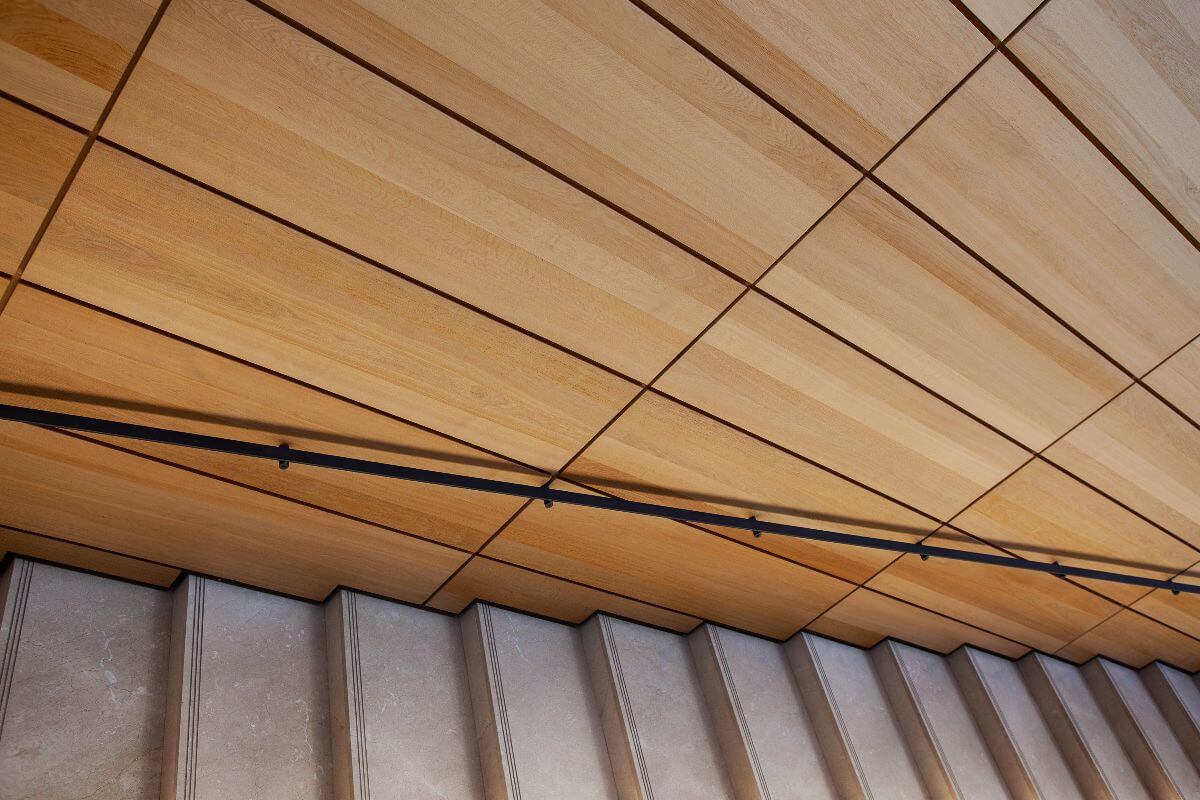
Even with correctly sized, thickness-optimized panels, the right profiles are crucial for a precise fit and a seamless finish. Profiles ensure structural integrity, support hygiene, and minimize gaps where contaminants could accumulate. Here’s what to consider in finalizing with profiles:
- Corners: Rounded or coved profiles create smooth, cleanable edges for hygienic areas.
- Edges: Proper edge profiles prevent peeling, warping, or misalignment.
- Joints: Tongue-and-groove or interlocking joints maintain a tight fit and reduce seams.
- Custom Requirements: Some facilities may need specialized profiles to fit machinery, utilities, or irregular layouts.
Key Takeaway
From accurate measurements to selecting the right thickness, materials, and profiles, every detail contributes to efficient and reliable installation. This is how you get the ideal dimensions of hygienic walls and ceiling panels.
With Flooring Solutions, you gain access to customized, turnkey hygienic panel solutions tailored to your facility’s needs.
Get in touch with our team today to discuss your project requirements.