Factors to Consider When Choosing a Waterproofing System for Your Project
What are the factors to consider when choosing a waterproofing system for your project?
- Environmental and site conditions
- Structure and application area
- Performance and durability
- Project requirements
Overview
- Choosing the right waterproofing system requires evaluating environmental exposure, structural application, durability, project requirements, and surface conditions.
- By aligning materials with site-specific challenges, facilities can achieve long-term protection, reduce maintenance costs, and improve structural resilience against moisture, weather, and operational demands.
Waterproofing plays a vital role in protecting your facility from water intrusion and structural damage, especially in the Philippines, where heavy rainfall, high humidity, and extreme weather are common.
However, choosing the right system can be challenging because multiple product types, substrate conditions, and environmental exposures need to be weighed together. A clear, practical evaluation, rather than a one‑size‑fits‑all approach, makes it easier to compare options on the factors that matter most.
To help you find the ideal solution for your site, here are factors to consider when choosing a waterproofing system.
Environmental and Site Conditions
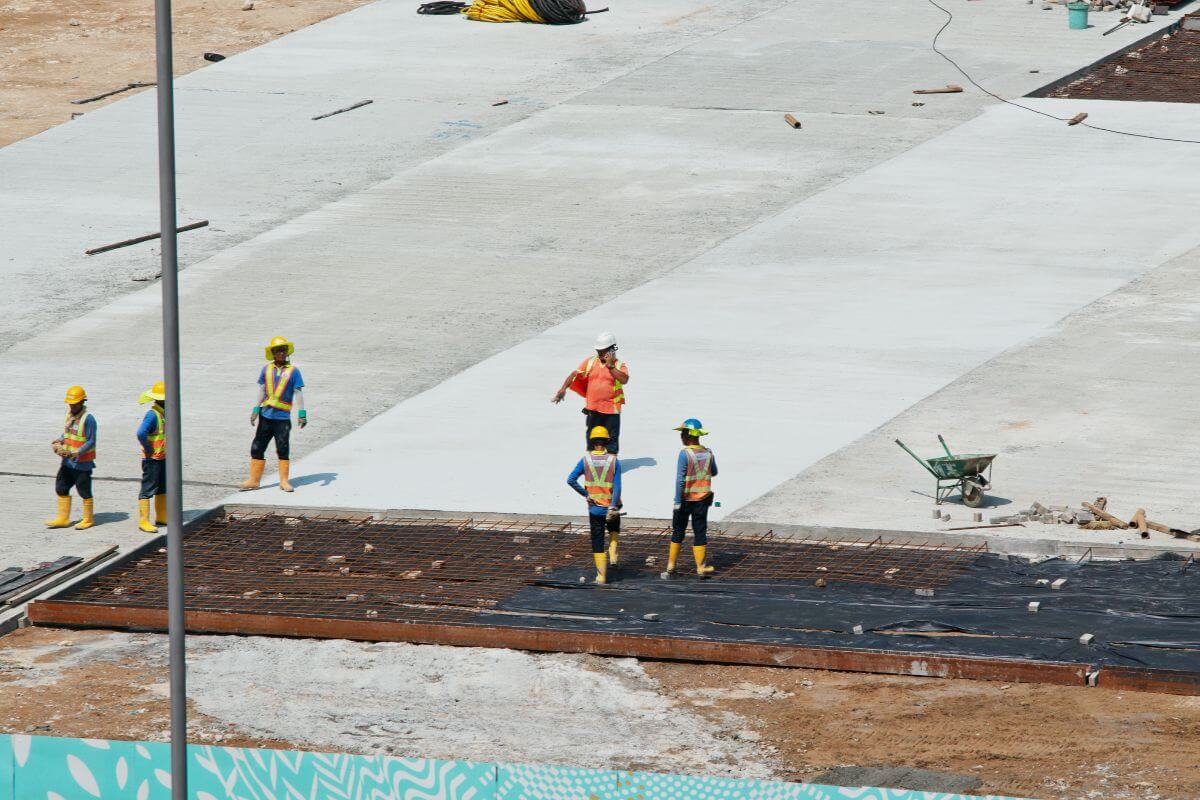
Environmental and site conditions directly impact the long-term performance of a waterproofing system, especially in the Philippines, where high humidity, heavy rainfall, and seasonal storms are common.
Factors such as rainfall intensity, groundwater pressure, and UV exposure should guide system selection. Below-grade areas require resistance to sustained hydrostatic pressure, while exposed surfaces like rooftops need strong UV-stable membranes. Evaluating these conditions early helps improve durability, reduce material fatigue, and extend system lifespan.
Structure and Application Area
The structure and application area of a surface largely determine which waterproofing system will perform most effectively over time. Different parts of a building experience moisture, movement, and exposure in distinct ways, making it important to align system design with how each area functions within your facility.
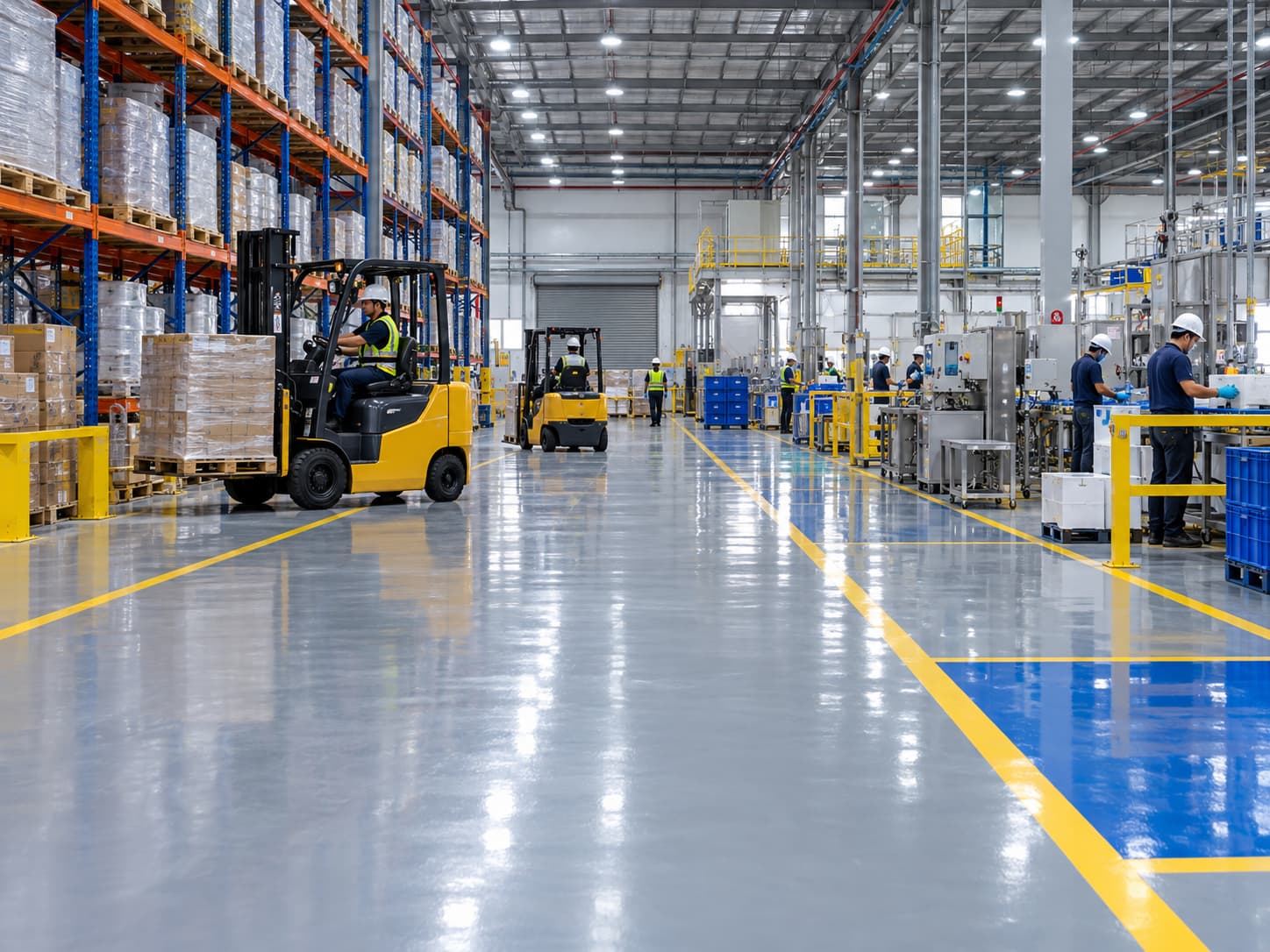
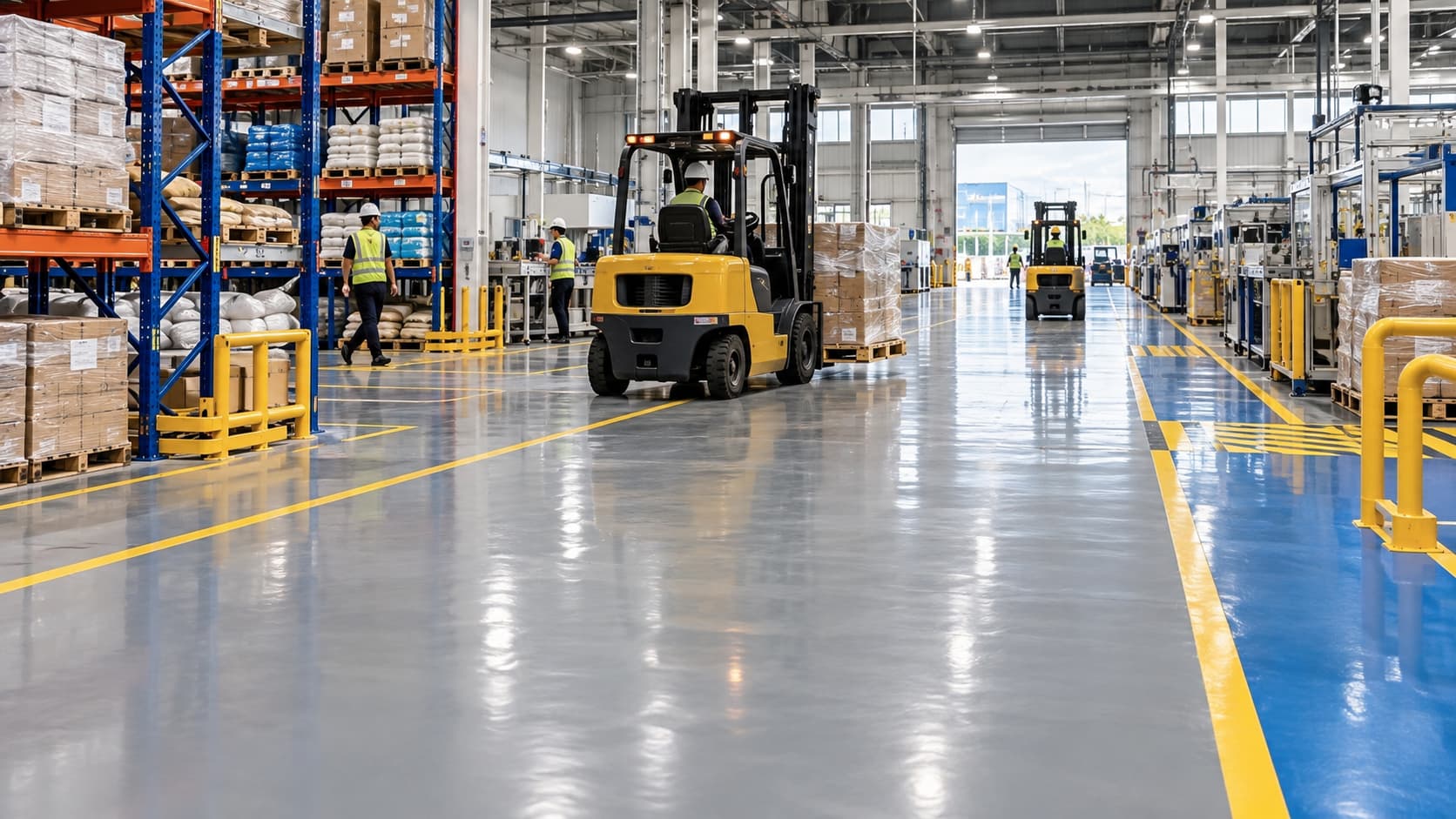
Roofs and facades require waterproofing systems with strong weather and UV resistance due to direct exposure to rain, sunlight, and wind-driven moisture. In contrast, below-grade areas like basements and foundations need systems designed to withstand constant groundwater and soil moisture. Specialized facilities, such as hospitals or industrial plants, may also require tailored solutions that protect critical operations and sensitive interiors.
Performance and Durability
Performance and durability are essential to ensuring a waterproofing system protects a structure for years rather than months, especially in environments where maintenance can be costly or disruptive. Materials selected for your project should provide consistent moisture protection while accommodating structural movement, environmental stress, and daily operational demands.
Evaluating material lifespan alongside resistance to aging offers a clearer understanding of long-term performance. Factors such as heat, UV radiation, foot traffic, and occasional chemical exposure all influence how well a system performs over time. Durable waterproofing solutions help preserve structural integrity, minimize frequent repairs, and support more predictable maintenance throughout a building’s service life.
Project Requirements
Project requirements often shape waterproofing decisions by introducing regulatory, financial, and operational considerations. Ensuring the selected system aligns with Philippine building codes and environmental standards supports both compliance and long-term performance, particularly for large-scale or highly regulated facilities.
Budget also plays a significant role in system selection, but upfront costs should be carefully weighed against lifecycle performance. Solutions that balance affordability with durability can help prevent repeated repairs or premature failure. Additionally, industry-specific requirements—such as chemical resistance for industrial facilities or visually integrated systems for commercial and residential projects—further influence the decision, ensuring the waterproofing solution aligns with the space’s function and long-term maintenance needs.
Surface Considerations
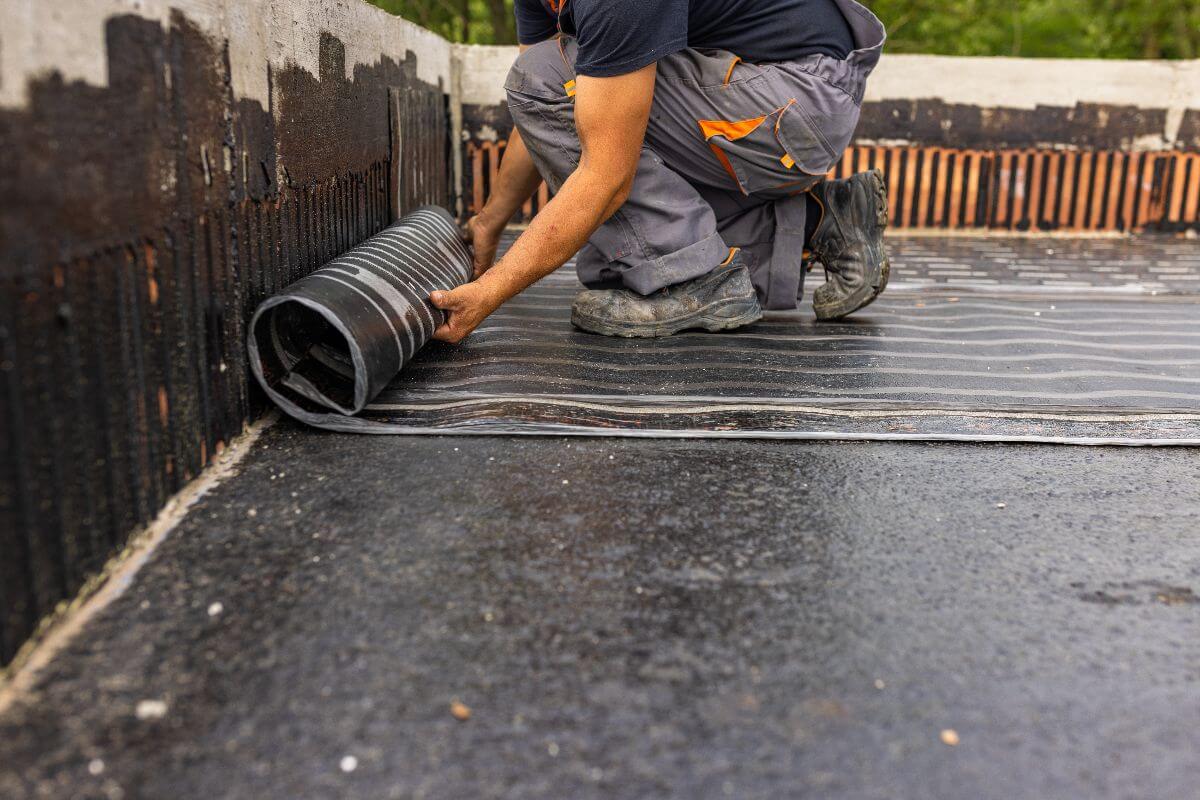
Surface conditions influence not only how a waterproofing system is applied, but also how reliably it performs over its service life. Differences in orientation, detailing, and exposure can affect adhesion, curing, and long-term durability.
To further improve installation outcomes, partnering with an experienced contractor and installer, such as Flooring Solutions, can help ensure surface conditions are thoroughly assessed before choosing a system.
Vertical vs. Horizontal Surfaces
The orientation of the surface determines how gravity, water flow, and exposure interact with the waterproofing layer, which directly affects material suitability. Horizontal surfaces such as roofs and terraces typically perform better with liquid-applied membranes that form seamless, monolithic barriers, reducing the risk of standing water penetration.
Vertical surfaces, including walls and facades, place greater emphasis on adhesion strength and crack-bridging capability, as materials must resist gravity, wind-driven rain, and moisture migration through joints over time.
Penetrations
Penetrations are among the most common sources of waterproofing failure because they interrupt membrane continuity and are subject to movement and stress. Pipes, vents, and joints require compatible sealing systems—such as flexible sealants, pre-formed collars, or reinforced detailing—that can accommodate expansion and contraction without breaking the waterproof seal.
Addressing these areas during system selection helps reduce long-term leak risks and minimizes the need for corrective maintenance after installation.
Key Takeaway
By understanding the factors to consider when choosing a waterproofing system, you can now approach future projects with greater confidence in specifying solutions that are resilient, cost-effective, and better aligned with evolving environmental and operational challenges.
Ensure your project is protected with the right waterproofing system by working with Flooring Solutions, a trusted provider of industrial flooring and protective systems in the Philippines. Our team helps assess site conditions, performance requirements, and long-term durability to recommend solutions that work. Contact us today to discuss your project needs and get expert guidance.