When to Schedule Your Waterproofing Project for Maximum Longevity in the Philippines
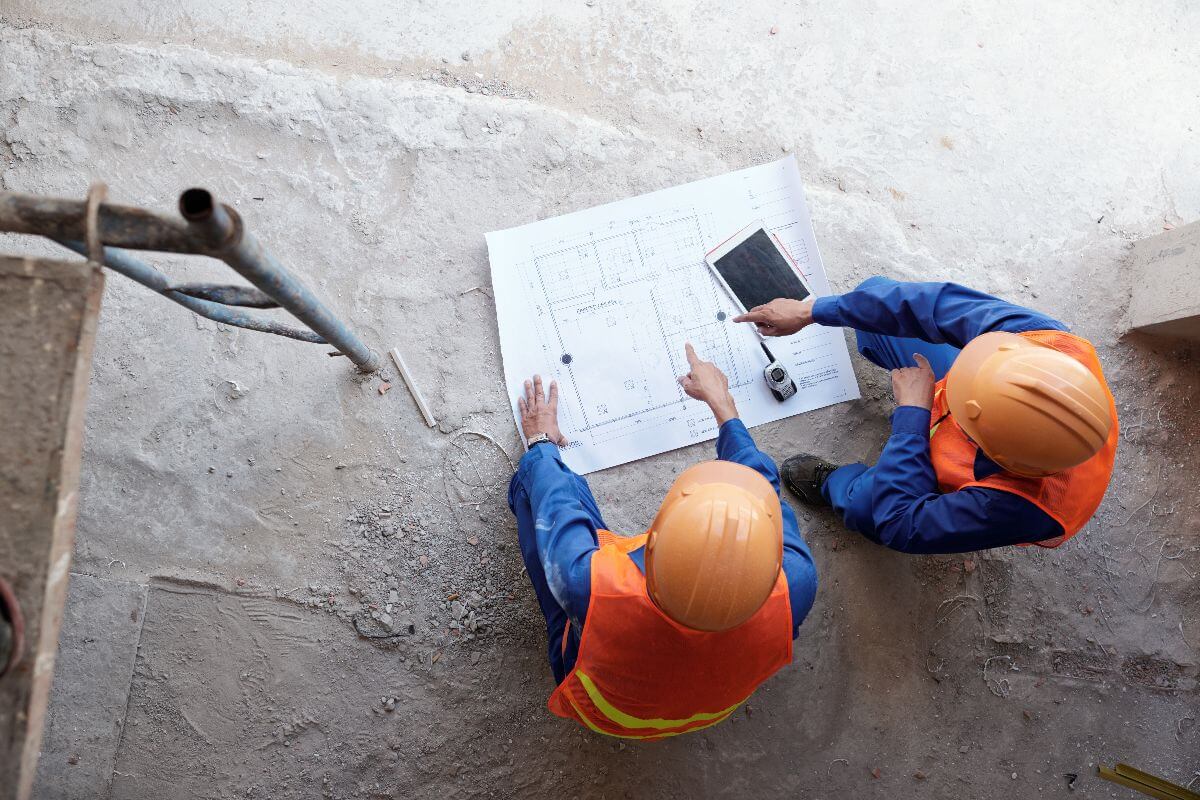
Overview
- Proper timing is essential when scheduling waterproofing projects in the Philippines to ensure effective adhesion, curing, and long-term performance.
- Dry season installation, proper surface preparation, and correct site conditions help reduce defects and delays.
- Understanding project duration and maintenance needs allows businesses to protect assets, minimize risks, and maximize system durability.
Have you ever considered the best time to schedule a waterproofing project in the Philippines?
When it comes to ensuring effective protection for floors and structures, timing plays an important role. Proper scheduling allows environmental factors such as rainfall, humidity, and temperature to support proper application and curing, helping reduce the risk of early deterioration and repeated repairs.
For business owners, facility managers, and project developers, selecting the right timeframe for waterproofing is a key step in protecting assets and ensuring long-term performance and durability.
Here are some tips on when you should schedule a waterproofing project in the Philippines
Optimal Scheduling Factors in the Philippines
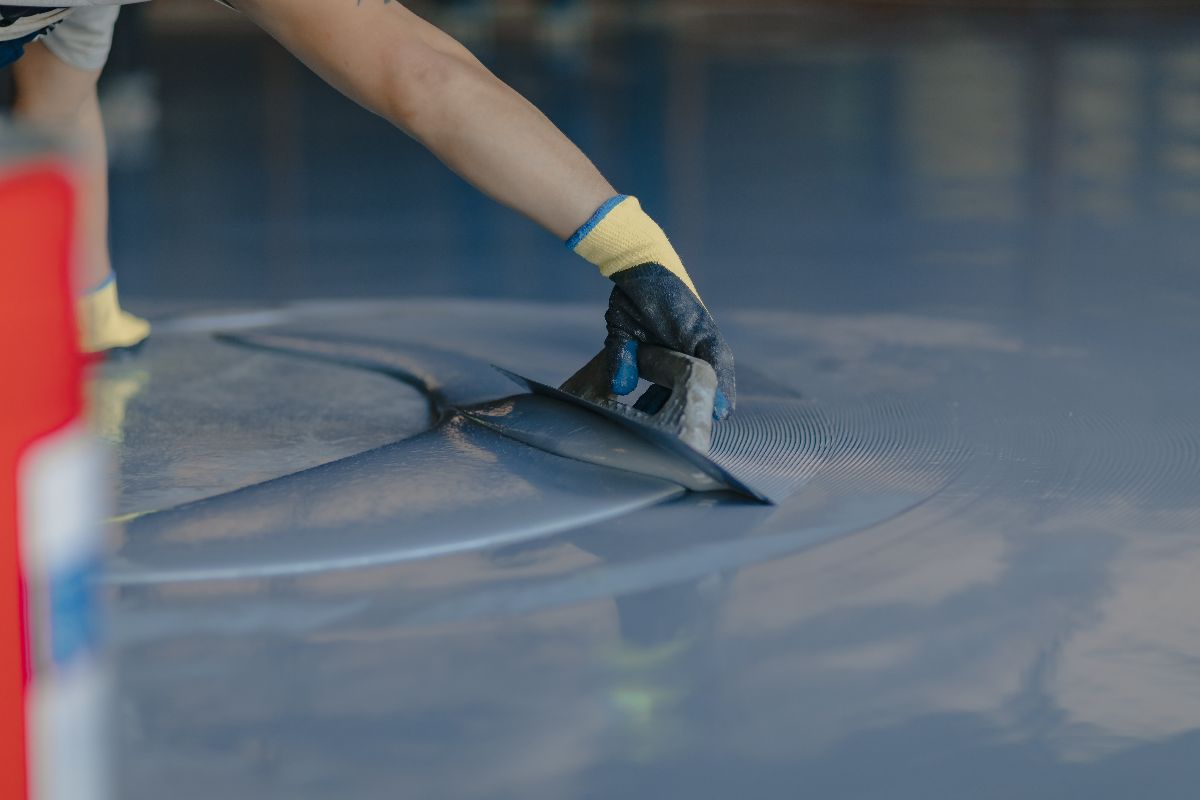
Timing decisions should never be made at random, as several local factors play a key role in how well waterproofing systems cure, adhere, and perform over time. Understanding these conditions helps ensure that your investment delivers maximum protection and long-term durability.
Dry Season (January to May)
In the Philippines, summer offers the most favorable conditions for waterproofing installation because moisture levels are much lower. Reduced rainfall and humidity allow substrates like concrete to dry appropriately, which is important for waterproofing materials to bond, cure, and perform as designed.
During these months, waterproofing systems, like cementitious, epoxy flooring, or bituminous, are less likely to be compromised by trapped moisture or unexpected rain exposure. Proper curing under stable weather conditions minimizes risks such as blistering, peeling, or incomplete adhesion.
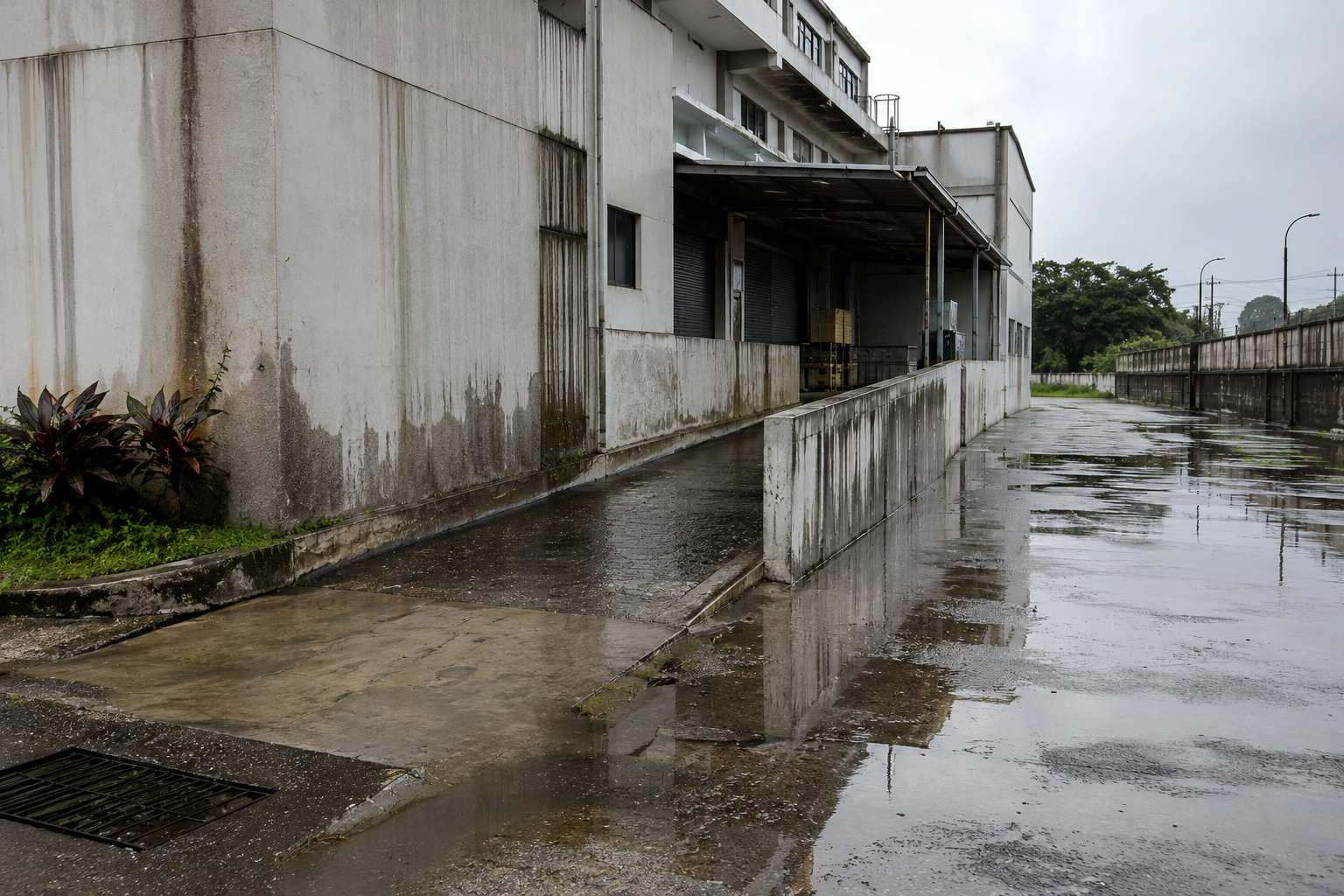
Avoid the Rainy Season
During the rainy season, excess moisture prevents surfaces from drying completely, which interferes with adhesion and curing—both of which are critical to the long-term performance of any waterproofing system. Because many materials require dry substrates and controlled curing conditions, installation during wet months significantly increases the risk of defects such as bubbling, delamination, and early failure.
Rain interruptions can also delay project timelines, disrupt application schedules, and lead to higher labor and material costs.
Concrete Preparation
Waterproofing effectiveness depends on a clean, dry, and structurally sound substrate to ensure proper adhesion, making preparation a non-negotiable step in project scheduling. Additionally, since concrete requires sufficient time to cure, dry, and release excess moisture, applying waterproofing too early can trap moisture within the slab, leading to blistering or adhesion failure.
By allowing adequate preparation time, particularly during favorable weather conditions, you can ensure that the waterproofing system forms a reliable barrier that performs well over the long term.
Surface Condition
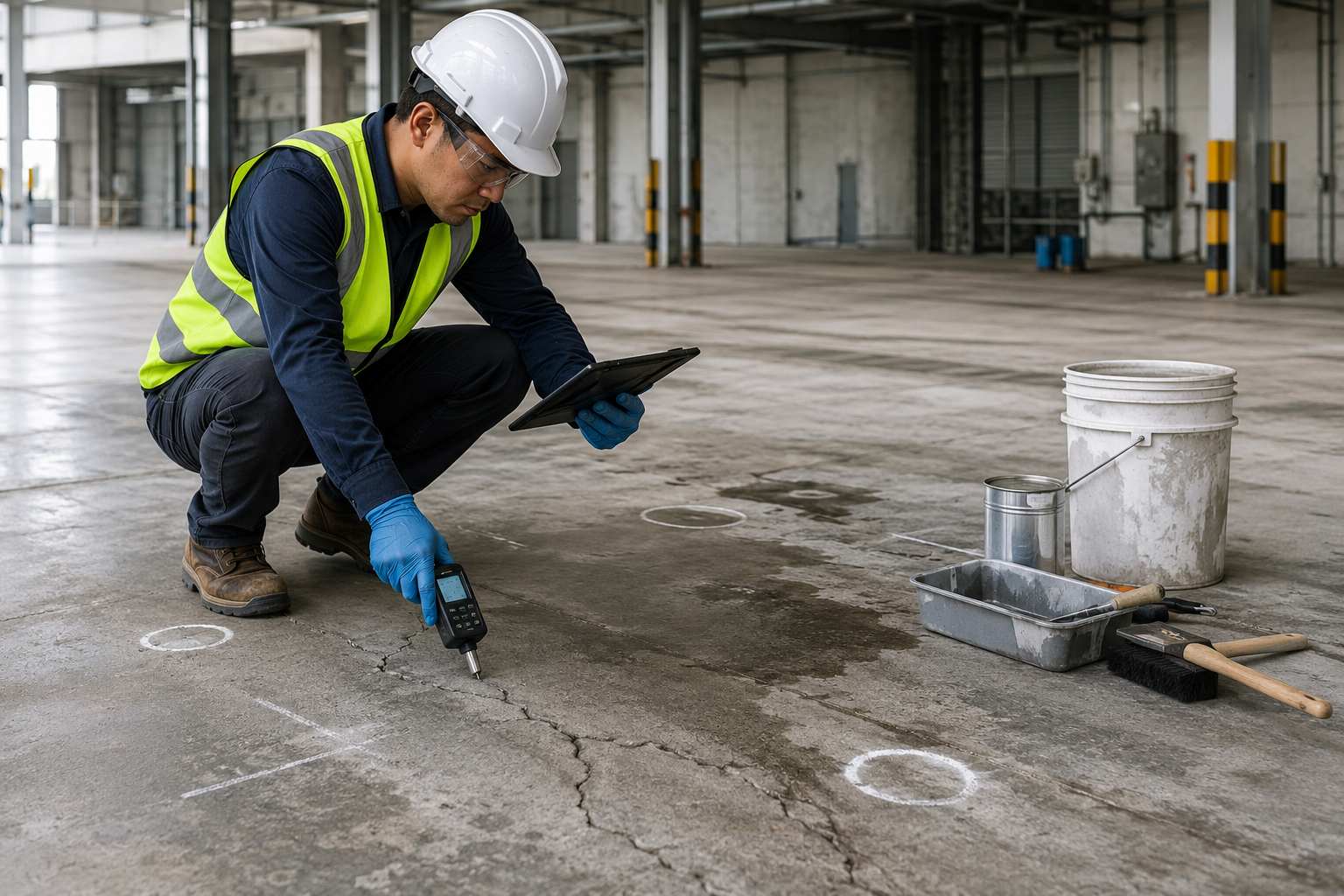
Cracks, laitance, oil residues, dust, or uneven areas can prevent waterproofing materials from adhering properly. This is why setting the waterproofing timeline only after surface defects have been repaired and the substrate has been thoroughly cleaned is essential to achieving optimal bonding and uniform coverage.
Addressing surface conditions at the right stage minimizes the risk of premature failure and rework, while ensuring that the system performs as intended throughout its service life.
Project Duration Expectations
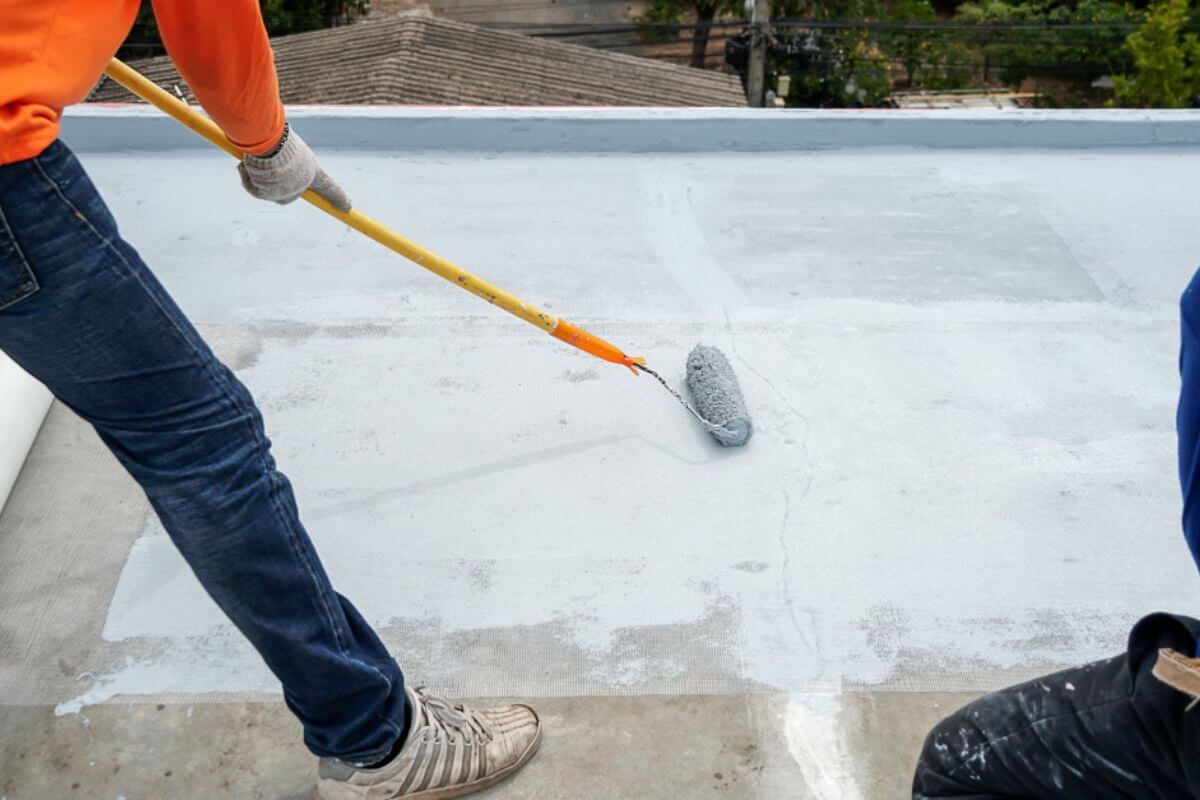
By setting realistic duration expectations early, entrepreneurs can align installation periods with weather conditions, site readiness, and operational requirements. Understanding how long a waterproofing project takes is a vital part of proper scheduling.
Residential and Small Projects
Waterproofing work typically takes one to three days, depending on the area size and the type of system applied. These projects involve fewer surface repairs and simpler application methods, allowing installers to complete preparation, coating, and curing within a shorter timeframe. Because smaller areas are easier to control, weather-related risks and moisture exposure are also minimized.
Commercial and Larger Projects
Due to their scale, commercial and larger projects may require one to three weeks for waterproofing, depending on floor area, system complexity, and site conditions. These projects involve extensive surface preparation, multiple coating layers, and phased application to accommodate structural requirements and operational constraints.
Key Tips for Scheduling
Proper waterproofing planning requires careful consideration of site readiness, weather patterns, and operational timelines. By accounting for these key factors, you can improve system performance, extend service life, and ensure the overall effectiveness of your investment.
Maintenance Inspections
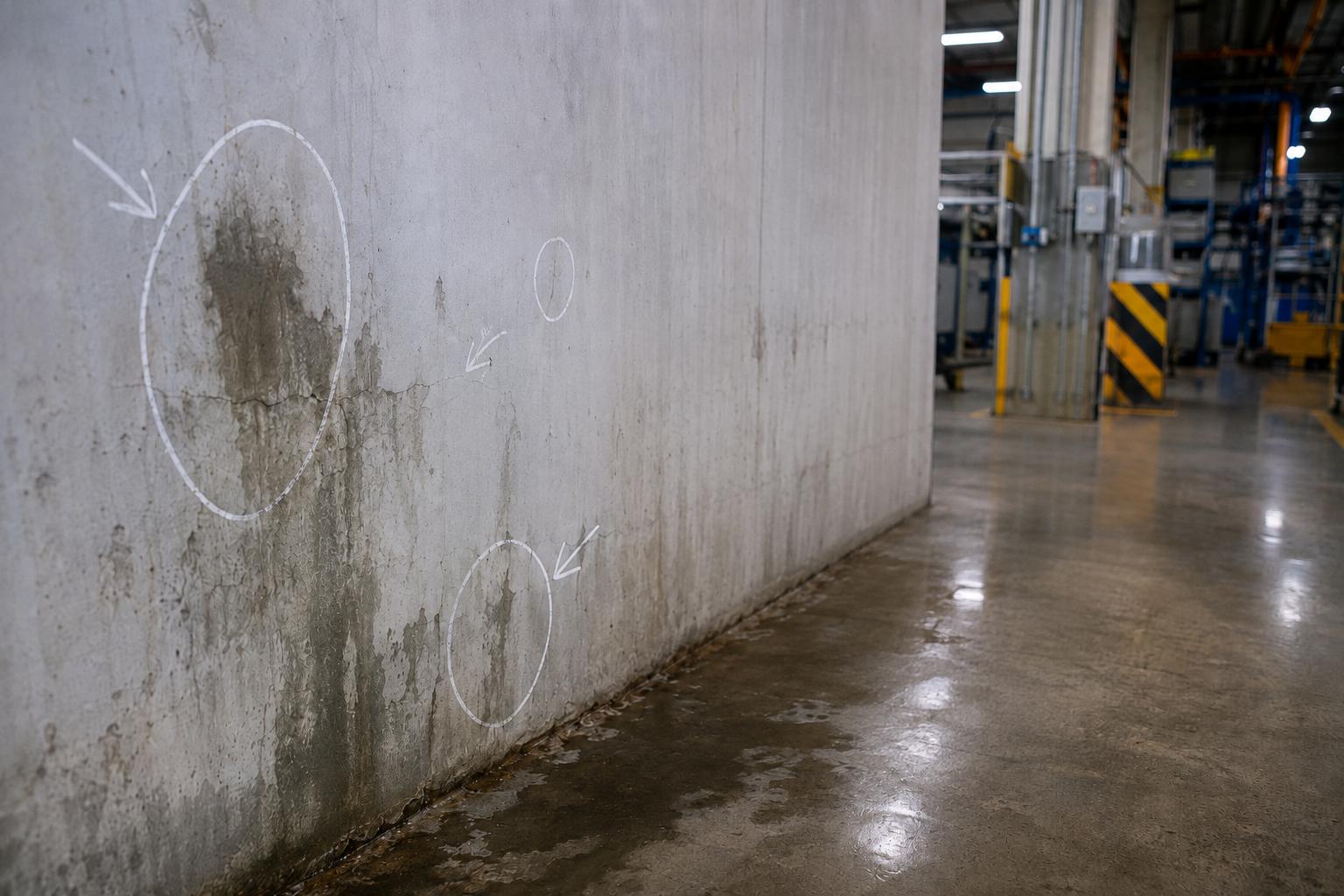
Regular inspections help identify early signs of wear, such as cracks, surface deterioration, or water seepage, especially in high-traffic or moisture-prone areas. Addressing these issues promptly prevents further damage and reduces the need for costly repairs. This ensures continued protection and system reliability over time.
Proactive Planning Approach
A proactive approach involves identifying potential problem areas before they develop into major structural concerns. Key zones such as rooftops, basements, and expansion joints should be evaluated early and monitored consistently. This reduces risks and supports more stable waterproofing performance.
For structured planning and execution, trust Flooring Solutions to provide expert guidance and reliable waterproofing solutions tailored to your project requirements.
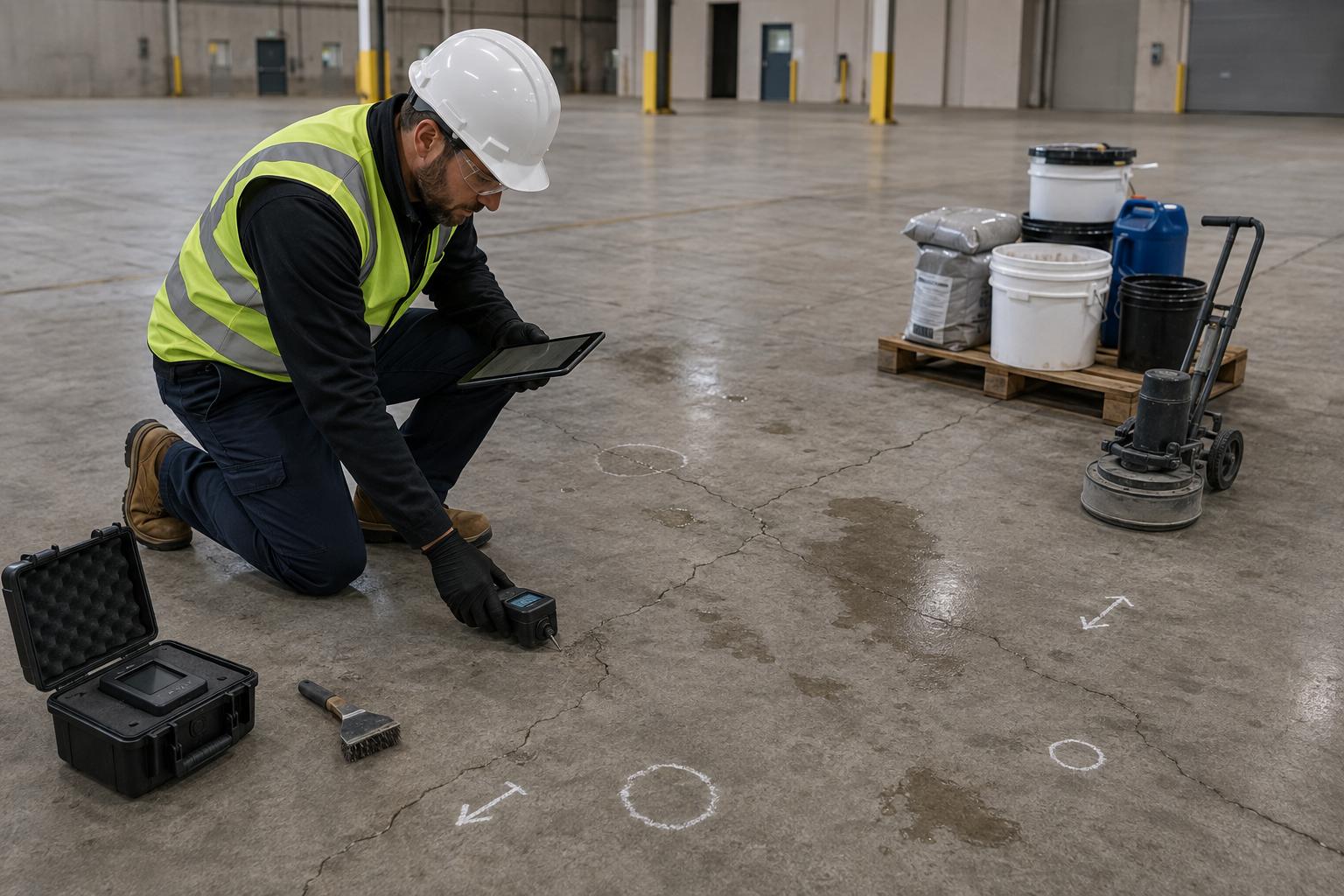
Professional Assessments
Professional assessments detect early structural issues such as micro-cracks, hidden moisture intrusion, and surface deterioration that may not be visible during routine inspections. Early identification allows for timely corrective action before problems escalate. This helps preserve structural integrity and long-term performance.
To ensure reliable results, trust Flooring Solutions. Our certified team delivers thorough inspections, practical recommendations, and professional waterproofing services designed to protect your investment and ensure operational efficiency.
Key Takeaway
If you’re wondering when to schedule a waterproofing project in the Philippines, dry seasons are the most ideal time. By aligning installations with these periods, you can maximize the lifespan of your waterproofing system adequately.
For specialized guidance and durable solutions, find confidence with Flooring Solutions. With offerings that include cementitious, epoxy, and bituminous systems, our experts guarantee lasting protection for residential, commercial, and industrial projects. Reach out to us today to learn more!