Epoxy vs. Polyurethane vs. MMA Flooring: Which System Fits Your Facility?
Overview
- Epoxy, polyurethane, and MMA flooring each offer distinct performance characteristics for different project requirements.
- The right system depends on the conditions the floor will face, including heavy traffic, temperature changes, and the available installation time.
- Flooring Solutions PH offers durable flooring systems with cost-efficient options and quality after-sales support for long-term project value.
The flooring system you choose affects how well a space handles daily operating demands. A suitable system should not only perform reliably under harsh working environments, but also support the space’s intended use. This makes flooring a key consideration during facility planning.
When comparing Epoxy vs. Polyurethane vs. MMA Flooring, the right option depends on the project’s specific requirements. Each system offers different performance characteristics that may suit certain applications and operating conditions. Let’s review their best uses, advantages, and limitations to help you choose the system that best fits your project.
Epoxy Flooring
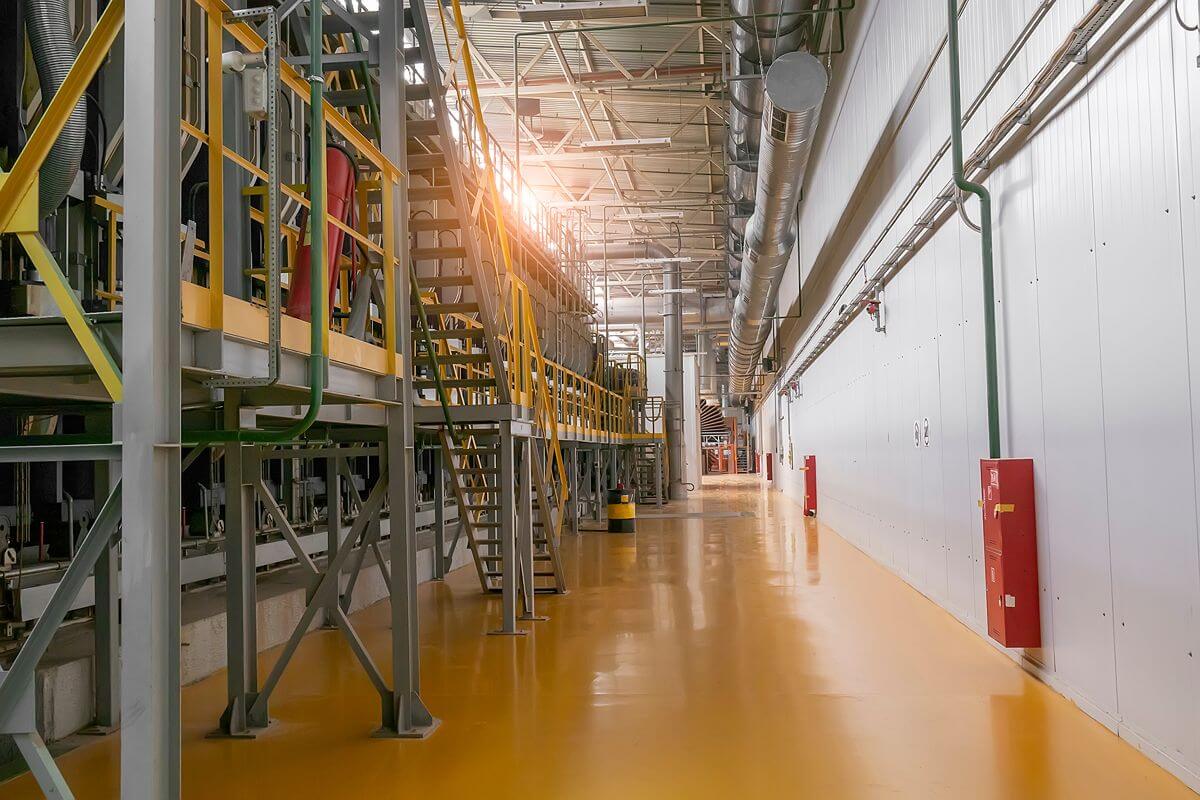
For many demanding projects, epoxy provides a flexible foundation for a durable, dependable floor. Its versatility lets it meet different applications and performance needs across commercial and industrial spaces.
Best For
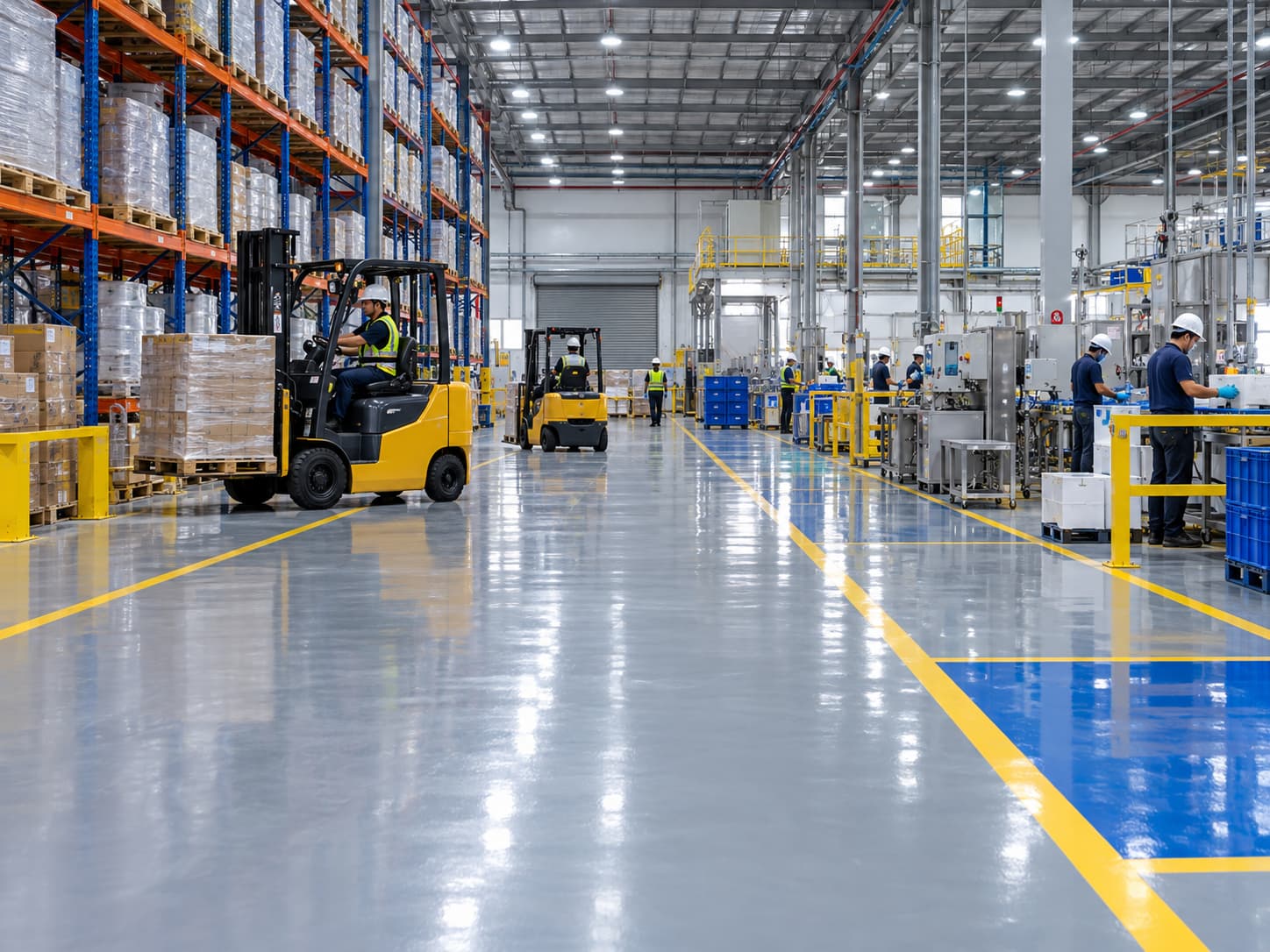
Warehouses, manufacturing plants, and heavy-duty logistics centers are strong applications for epoxy flooring. These spaces place substantial loads on the floor, especially along forklift routes and areas where equipment repeatedly moves materials.
Pros
Chemical Resistance: Protects concrete substrates against sulfuric acid and corrosive chemicals in processing environments.
Impact Strength & Value: Withstands heavy equipment and accidental impacts, delivering durable performance cost-effectively across large spaces.
Cons
Extended Cure Time: Requires up to seven days to fully cure, restricting operational access during the drying period.
Shutdown Dependencies: Demands precise scheduling during planned facility shutdowns to prevent premature traffic damage.
Polyurethane Flooring
Demanding operating conditions can make flexibility and resistance key considerations when selecting a resin floor. Polyurethane suits areas exposed to temperature changes and repeated mechanical stress.
Best For
Commercial kitchens and dairy processing plants put flooring through demanding daily conditions. Hot washdowns, cold surfaces, and repeated temperature changes can create thermal stress that polyurethane can easily tolerate.
Cold storage facilities are another application where PU’s temperature tolerance matters. The flooring can withstand low temperatures and sudden thermal changes during cleaning, helping maintain its performance in refrigerated areas.
Pros
Thermal Shock Resistance: Withstands rapid temperature fluctuations caused by hot cooking operations and cold water washdowns.
Elastic Flexibility: Accommodates subfloor movement and thermal expansion, preventing cracks under heavy physical stress.
Cons
Moisture Sensitivity: Trapped moisture during application causes surface bubbling, compromising both aesthetics and floor bonding.
Strict Application Requirements: Demands mandatory pre-installation substrate testing and controlled moisture conditions to prevent structural failure.
MMA Flooring

Keeping a work area closed for several days can create a significant operational burden for some projects. Methyl methacrylate flooring (MMA) addresses this concern through rapid curing, allowing treated areas to return to service in a much shorter period.
Best For
MMA flooring is best for projects where minimizing downtime takes priority. Its rapid curing allows some systems to become serviceable in a few hours, making it suitable for facilities with only a short window to complete flooring work before operations resume.
This makes MMA useful to production areas, commercial spaces, and cold storage facilities with strict shutdown schedules. A faster return to service can help limit lost operating hours when keeping the floor closed for several days is disadvantageous.
Pros
Rapid Cure Speed: Polymerizes within two hours, minimizing operational downtime and enabling fast project turnaround.
Low-Temperature Application: Cures reliably in sub-zero conditions, making it ideal for active cold storage and refrigerated facilities.
Cons
Short Working Time: Fast cure rates demand immediate, highly precise application, leaving zero margin for installation errors.
Missing an uneven section during application may leave limited time to correct it before the resin sets. Any adjustment made after curing may require additional preparation and repair work, which can affect both the budget and the installation schedule.
Epoxy vs. Polyurethane vs. MMA Flooring: Which is Better?
Selecting the right industrial flooring system requires matching the resin properties to your facility’s operational demands:
| Flooring System | Best For | Key Advantage | Key Limitation |
|---|---|---|---|
| Epoxy | Warehouses and manufacturing plants | High strength for heavy traffic | Long curing period |
| Polyurethane | Kitchens, cold storage, and dairy facilities | Handles thermal cycling | Sensitive to moisture during curing |
| MMA | Projects with limited shutdown time | Rapid curing | Short working time during application |
Find the Best Flooring Solution From Flooring Solutions PH
At Flooring Solutions PH, we provide flooring systems built for long-term performance in demanding work environments. Our support continues after installation through quality after-sales service, giving clients assistance throughout the life of their flooring system.
We help clients manage flooring costs by recommending solutions that match each project’s conditions and deliver lasting value. These include:
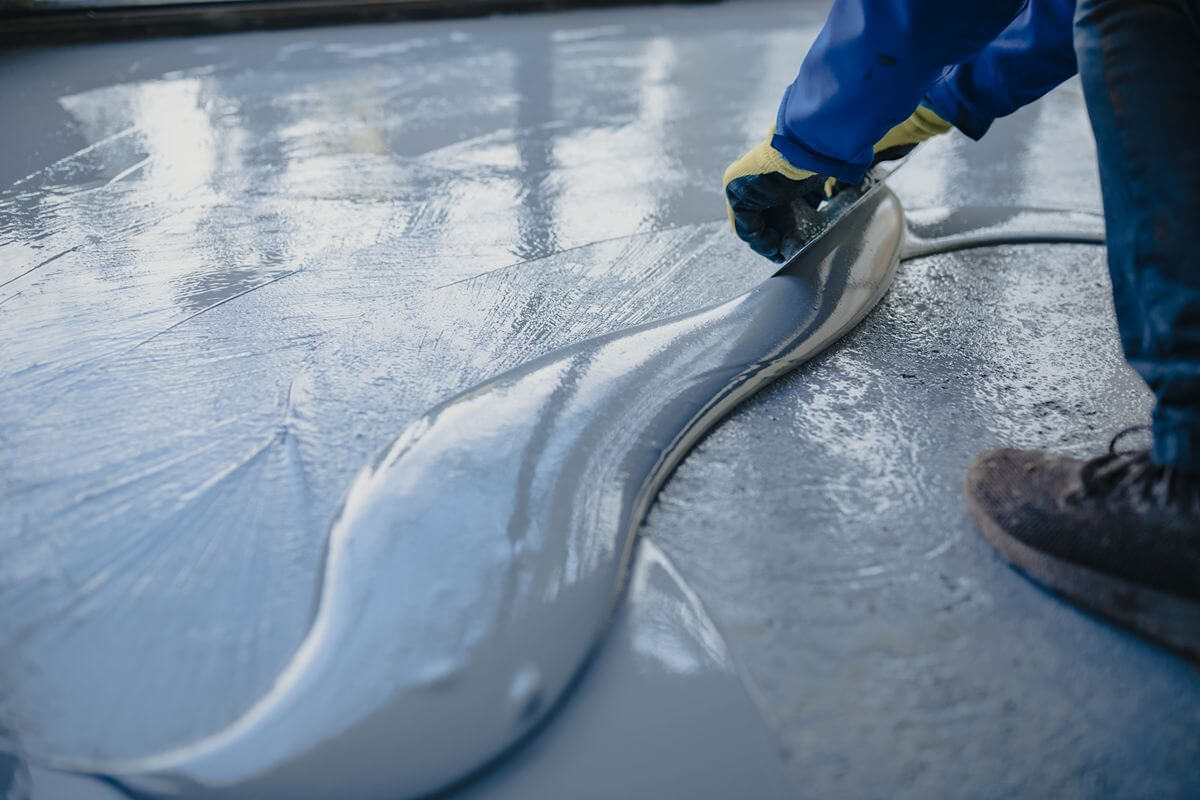
- Self-Leveling Epoxy: Its smooth finish provides a durable surface for areas that experience heavy traffic and demanding daily use.
- Polyurethane Flooring: Built for environments exposed to temperature changes, this system provides the resilience needed for intensive operating conditions.
- Flowcrete Flowfast MMA: With rapid curing, this MMA system can return treated areas to service in approximately two hours after application, helping minimize downtime.
Key Takeaway
Choosing between Epoxy vs. Polyurethane vs. MMA Flooring comes down to the conditions your project needs to handle. Each system has different performance characteristics, so the right selection should reflect how the space will be used and what the flooring is expected to withstand throughout daily operations.
Your flooring investment can deliver greater long-term value when quality and ongoing support are properly aligned. Flooring Solutions PH combines durable flooring systems with strong after-sales service to help you maintain reliable floor performance in your facility. Contact us today to identify the best solution for your operations.