The Role of Hygienic Wall & Ceiling Panels in Food-Grade Environments
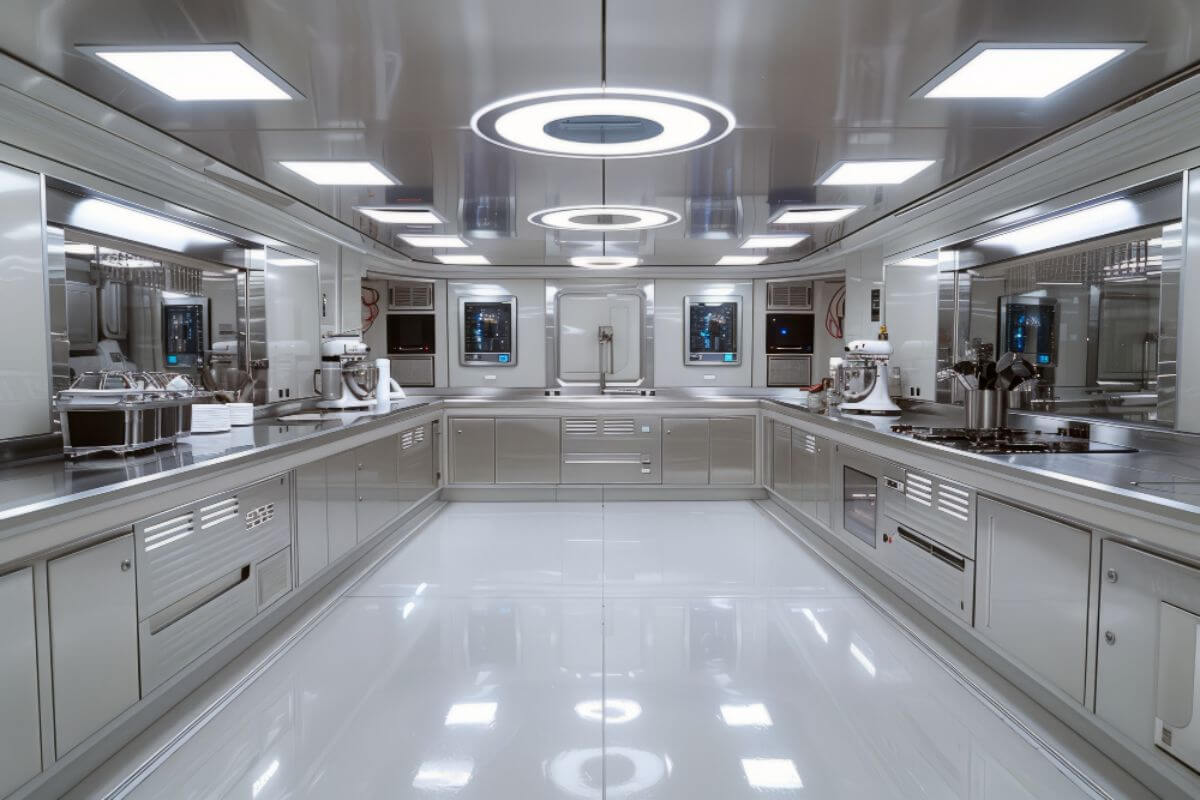
What is the role of hygienic wall and ceiling panels in food-grade environments?
- Contamination control
- Moisture and humidity resistance
- Regulatory compliance
- Ease of maintenance
- Durability and protection
- Seamless installation
Overview
- Food-grade facilities rely not only on processes but also on the condition of their built environment to maintain safety and hygiene.
- This article explores how hygienic wall and ceiling panels help control contamination, resist moisture, support regulatory compliance, and simplify maintenance in sensitive production areas.
- It also highlights their role in improving durability and ensuring seamless installation.
In food-grade facilities, safety and cleanliness are not only defined by operational practices but also by the design of the environment itself. In many cases, inspection issues can be traced back to something as fundamental as wall and ceiling systems that were not built with hygiene requirements in mind.
Over time, these surfaces can become hidden risk factors, particularly when they are difficult to clean or not designed to withstand constant exposure to moisture and regular sanitation procedures.
So the role of hygienic wall and ceiling panels in a food-grade environment matters. Because they help create cleaner and more controlled spaces where contamination risks are easier to manage.
Contamination Control
Contamination isn’t always coming from obvious sources. It often hides in places that are easy to overlook.
It can settle on wall joints, edge transitions, or areas where different surfaces meet, especially in spots that aren’t fully exposed to cleaning. These areas may look harmless at first, but over time, they can quietly become spots for buildup.
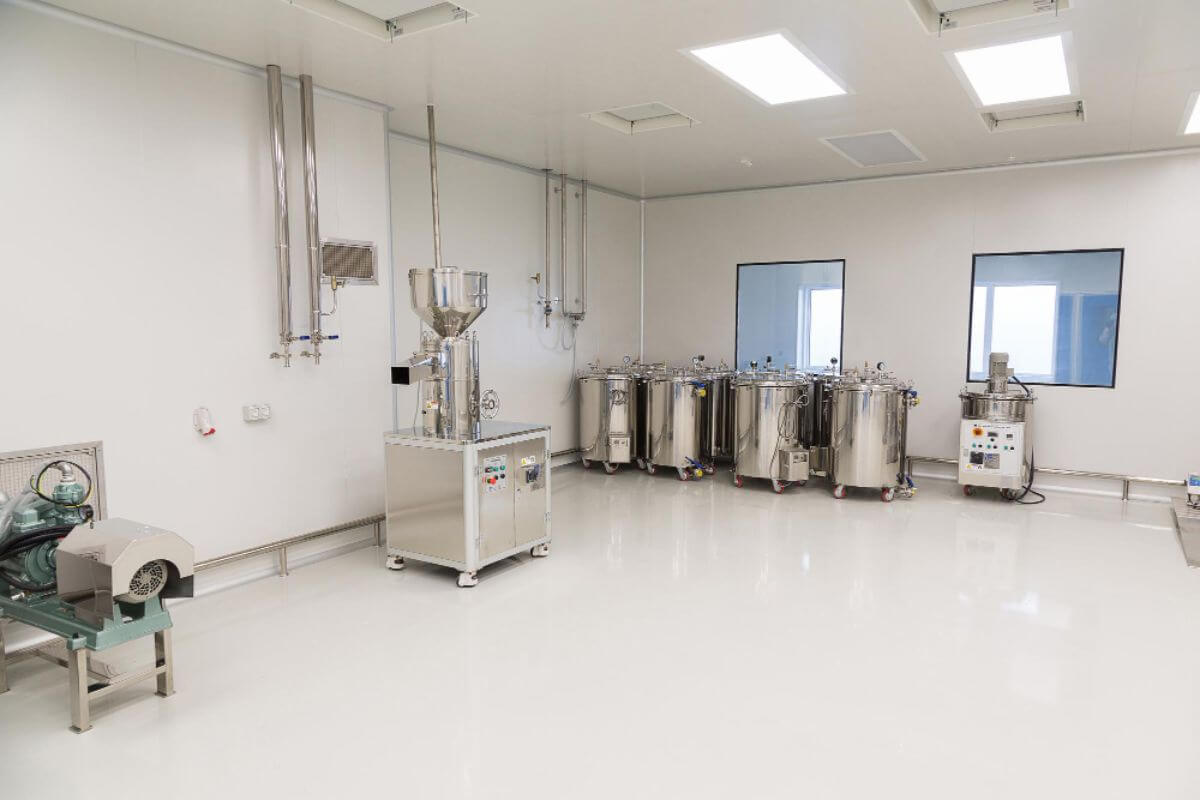
Hygienic wall and ceiling panels with smooth and non-porous surfaces help resist microbial growth. Unlike painted drywall or textured walls, which can trap moisture and organic residues, these surfaces help eliminate conditions where bacteria, mold, and mildew can thrive.
Moisture and Humidity Resistance
From regular washdowns and steam exposure to naturally humid environments, surfaces are repeatedly exposed to changing levels of moisture. And this constant exposure can slowly affect how the panels perform over time.
Unlike porous materials such as wood or drywall, high-quality Fiber-Reinforced Plastic (FRP) panels are designed to be highly water-resistant and non-porous. This means that they do not absorb moisture, so they help keep the wall structure behind them dry.
Specifically, the rigid fiberglass core of FRP panels, combined with a protective gel coat or resin finish, prevents water from penetrating the surface, reducing the risk of hidden mold within the wall cavity.
Regulatory Compliance
When auditors step into a facility, they are not just looking at finished surfaces. Instead, they are looking for proof that every material and system can support the required food safety standards and be backed by proper documentation.
This is usually where things get tested.
Many hygienic wall and ceiling panels are made using food-grade resins and gel coats that do not release harmful chemicals. Using them means being able to meet FDA and local food safety requirements for non-toxic materials used in food environments.
Ease of Maintenance
Even when the same cleaning procedures are followed, some wall and ceiling systems take longer to maintain. Hard-to-reach corners, uneven finishes, and surface detailing can create common challenges during routine cleaning.
FRP panels feature a smooth, non-porous surface, allowing maintenance staff to quickly remove dirt, splashes, and residues using a damp cloth or sponge. This easy wipe-and-wash capability also supports regular disinfection with approved sanitizers, without requiring special treatments.
However, proper maintenance still matters; using non-abrasive tools and appropriate cleaning agents helps preserve the gel-coat surface.
Durability and Protection
Wall and ceiling surfaces are constantly exposed to the demands of daily operations. From moving equipment and carts to accidental impacts and repeated contact, they must be able to withstand continuous use.
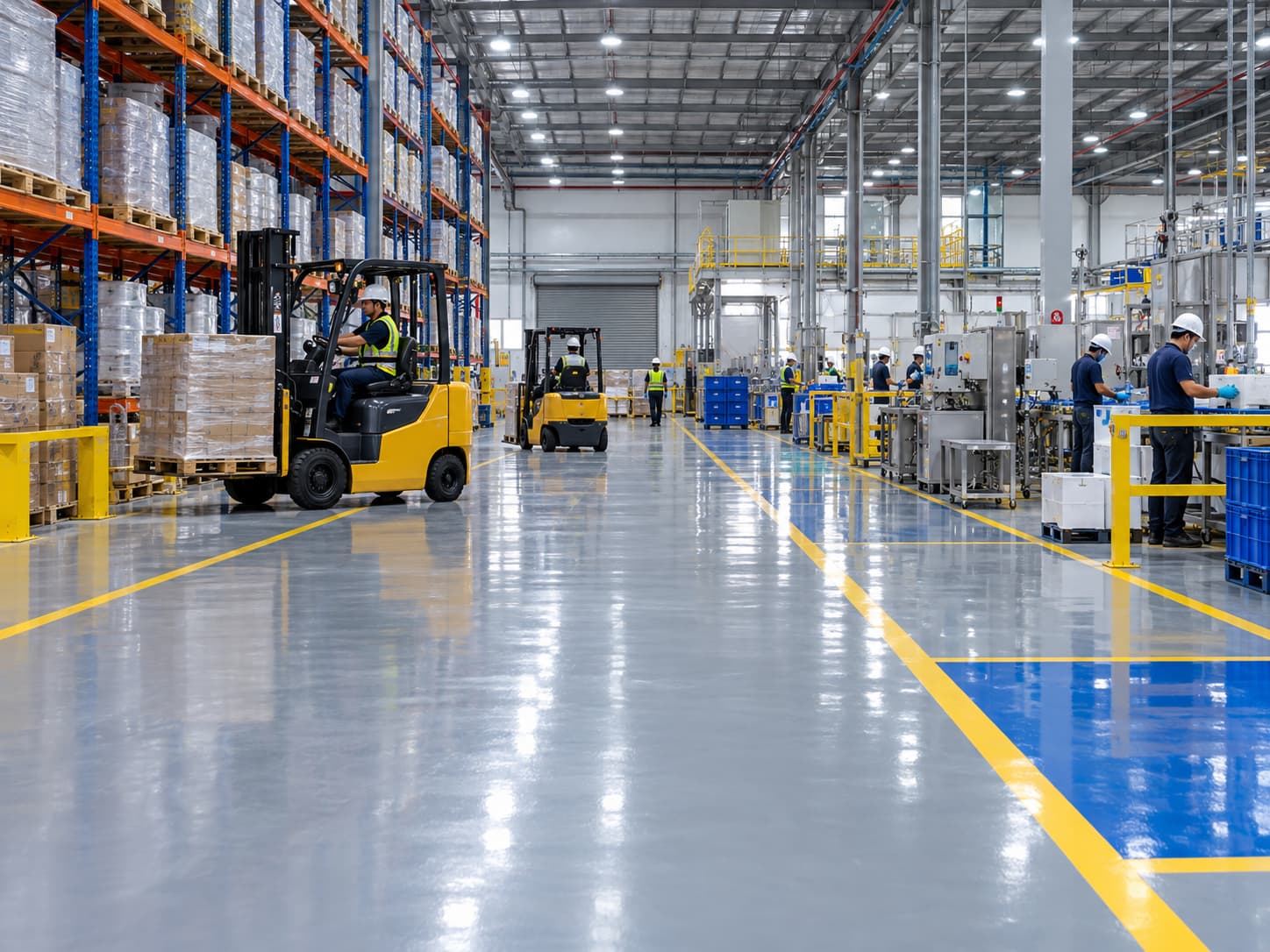
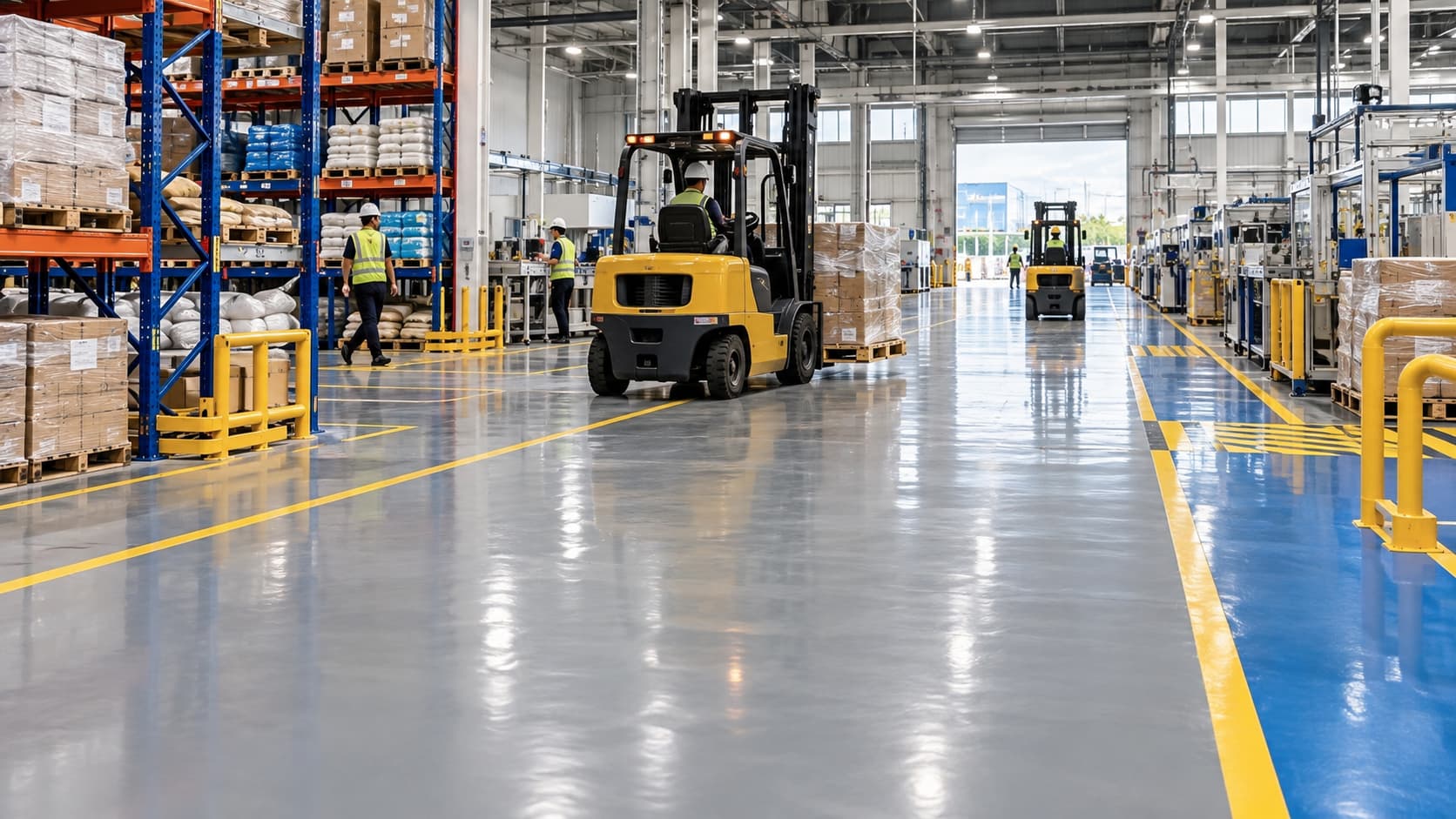
High-quality hygienic wall and ceiling panels are designed to resist dents, scratches, and surface damage caused by forklifts, trolleys, and other moving equipment. Their rigid core and durable surface layer help absorb everyday impacts that would otherwise lead to cracks or visible damage in conventional wall finishes.
Over time, this level of durability helps protect the underlying structure and reduces the need for frequent patching or repainting.
Seamless Installation
Small misalignments, uneven fitting, or poorly connected joints may not seem significant at first. However, over time, they can turn into problem areas that affect how the entire system performs.
This is why installation quality is essential for long-term performance, especially in environments where hygiene and consistency are non-negotiable.
Modern FRP wall and ceiling systems are a good example of how installation can be designed for better outcomes. They often use interlocking systems such as tongue-and-groove edges to create a seamless or near-seamless finish.
Key Takeaway
Keeping food-grade facilities safe, clean, and compliant really comes down to how well the environment supports daily operations.
That’s where the role of hygienic wall and ceiling panels in food-grade environments becomes important. They help manage contamination risks, handle moisture exposure, and support easier upkeep over time.
At Flooring Solutions, we provide reliable hygienic wall and ceiling panels designed to perform in demanding food-grade environments where safety and cleanliness matter most.