How Can Water Intrusion Impact the Lifespan of Public Infrastructure
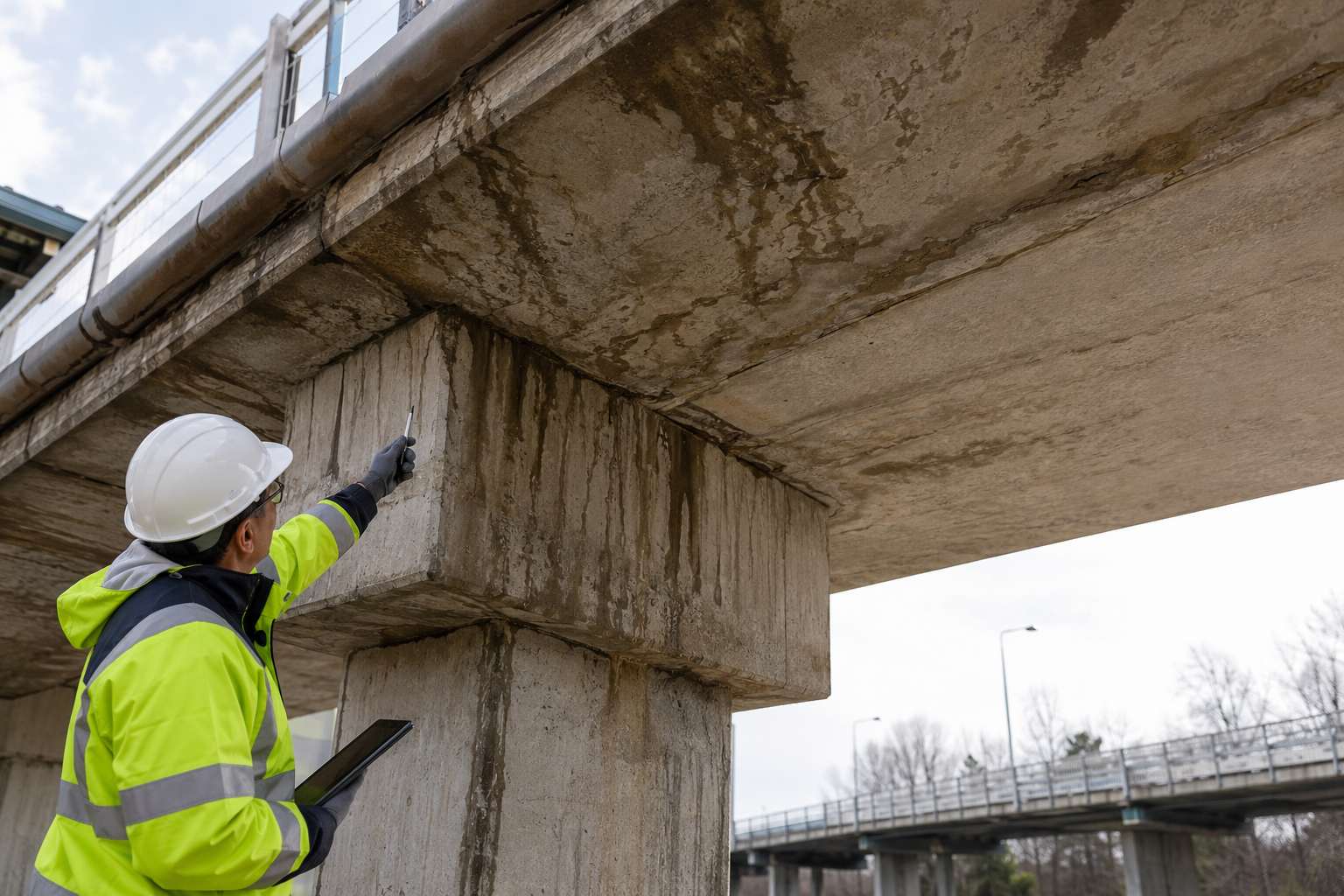
How can water intrusion impact the lifespan of public infrastructure?
- Material degradation
- Corrosion of reinforcements
- Saltwater and chemical attack
- Foundation destabilization
- Biological growth
Overview
- Public infrastructure is vulnerable to long-term damage from water intrusion, which can penetrate concrete, corrode reinforcing steel, weaken foundations, and promote biological growth.
- These issues reduce structural integrity, safety, and lifespan while increasing maintenance costs.
- Effective waterproofing systems help protect infrastructure by controlling moisture exposure and preventing progressive structural deterioration.
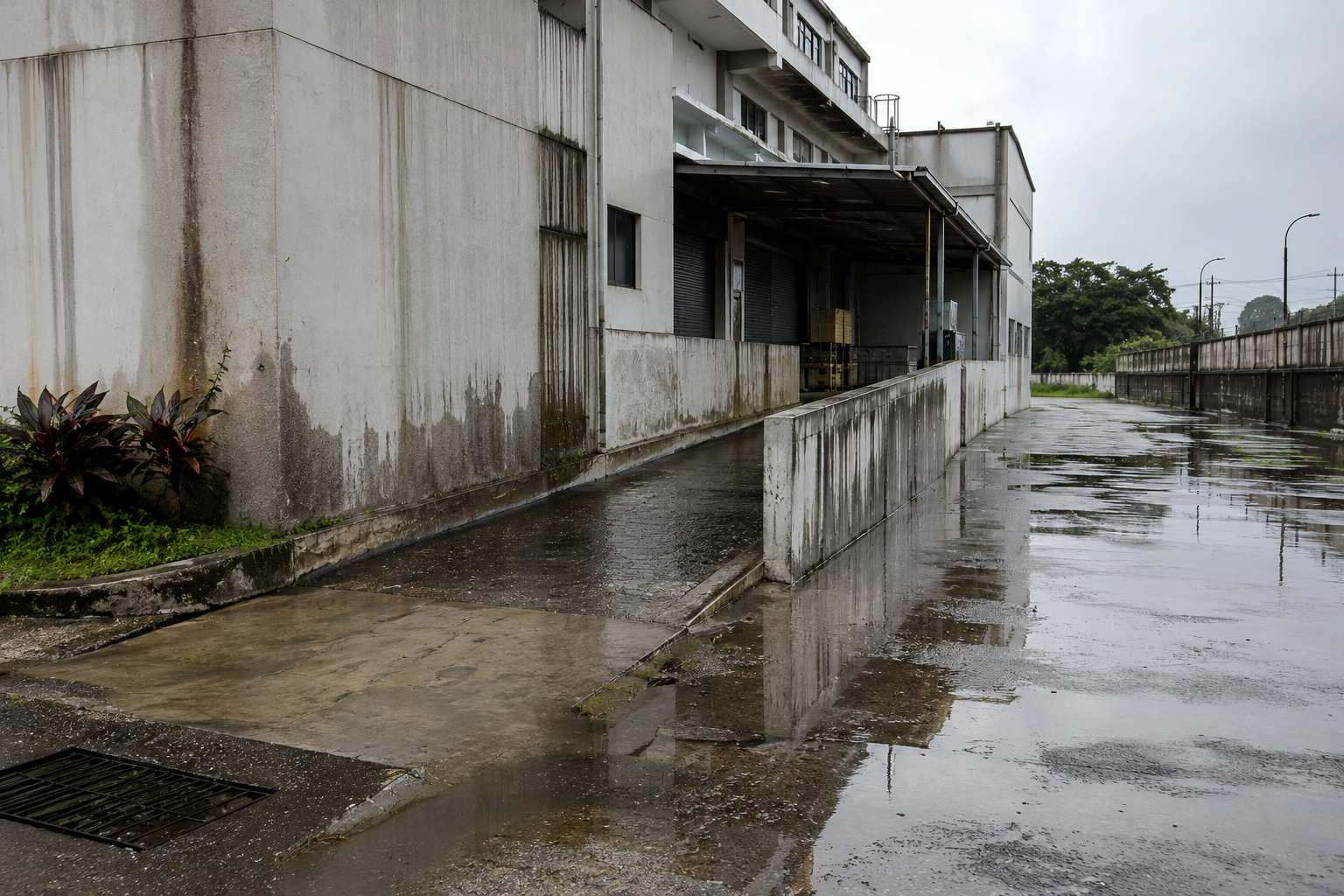
Public infrastructure is built to serve communities for decades of continuous, demanding use. However, uncontrolled water exposure remains one of the most serious threats to its long-term durability.
Although surface moisture may seem harmless, it can penetrate structural joints, micro-cracks, and porous concrete. Over time, this leads to reinforcement corrosion, concrete spalling, and progressive structural deterioration, resulting in costly repairs and reduced service life.
Understanding how water intrusion impacts the lifespan of infrastructure can help you deploy advanced moisture-control and waterproofing systems to ensure maximum service life.
Material Degradation
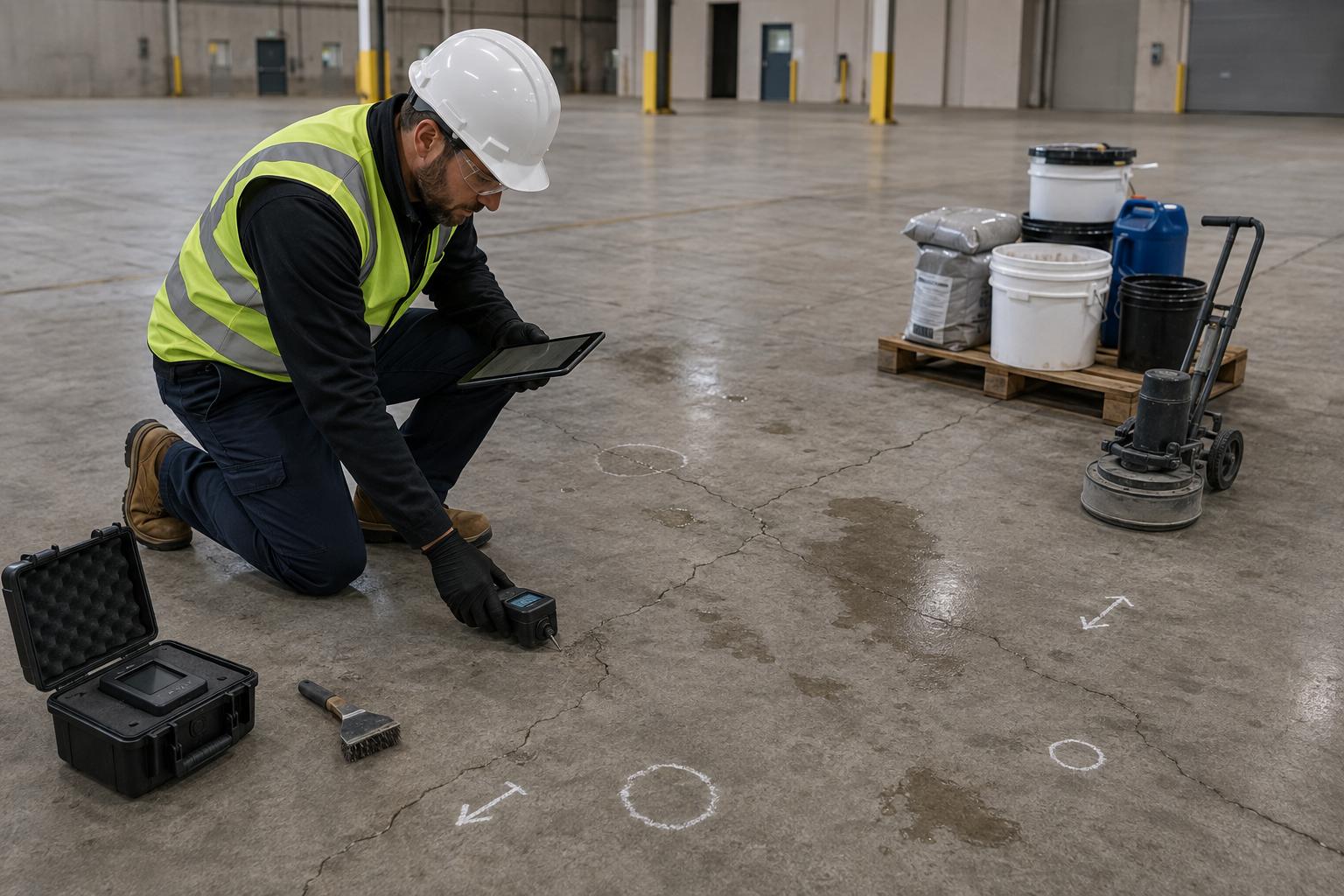
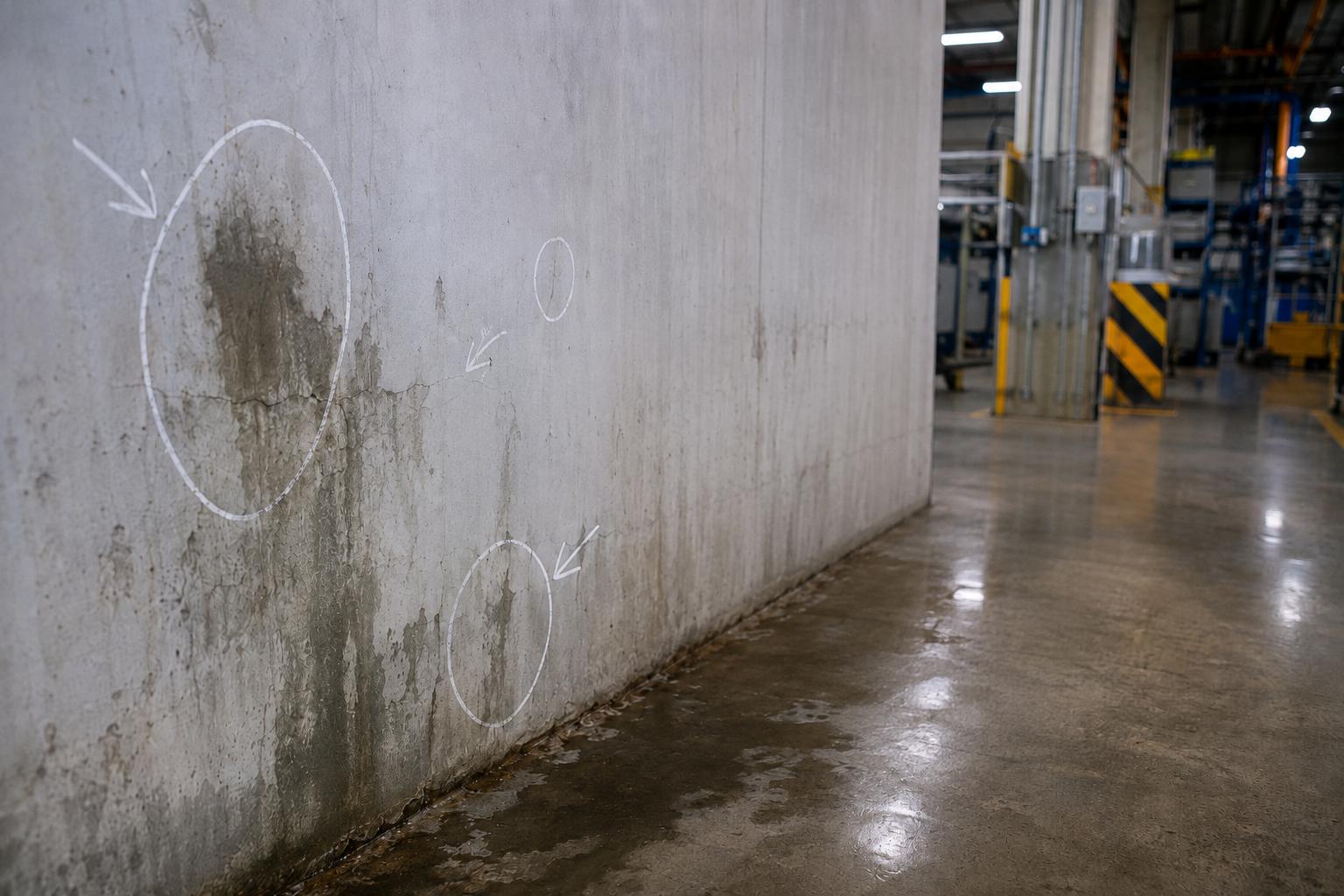
In public infrastructure, structural damage often initiates deep within the substrate long before visible distress manifests on the surface. Water penetration triggers a progressive degradation of concrete through micro-cracking, surface erosion, and spalling (the flaking or breaking off of concrete layers).
This internal expansion creates immense tensile pressure, leading to internal delamination, cracking, and a severe reduction in the structure’s overall load-bearing capacity.
This threat is amplified across critical transport assets:
- Bridges and Overpasses: Water intrusion accelerates concrete carbonation and chloride ingress, leading to critical joint failures and foundation scour.
- Roadways and Transit Hubs: High-traffic pavements deteriorate rapidly when moisture weakens the subbase, leading to potholes, severe surface erosion, and premature structural failure.
Corrosion of Reinforcements
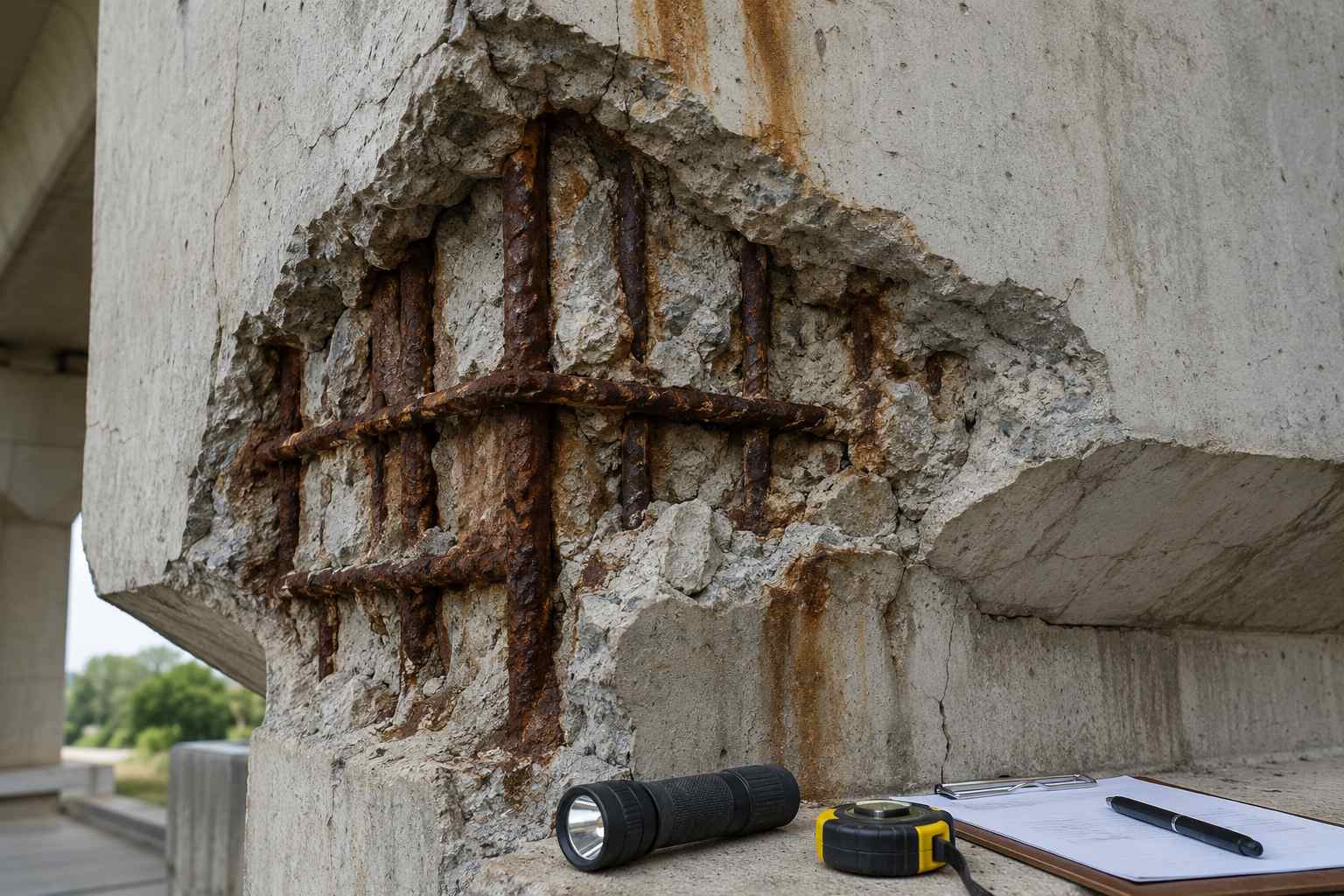
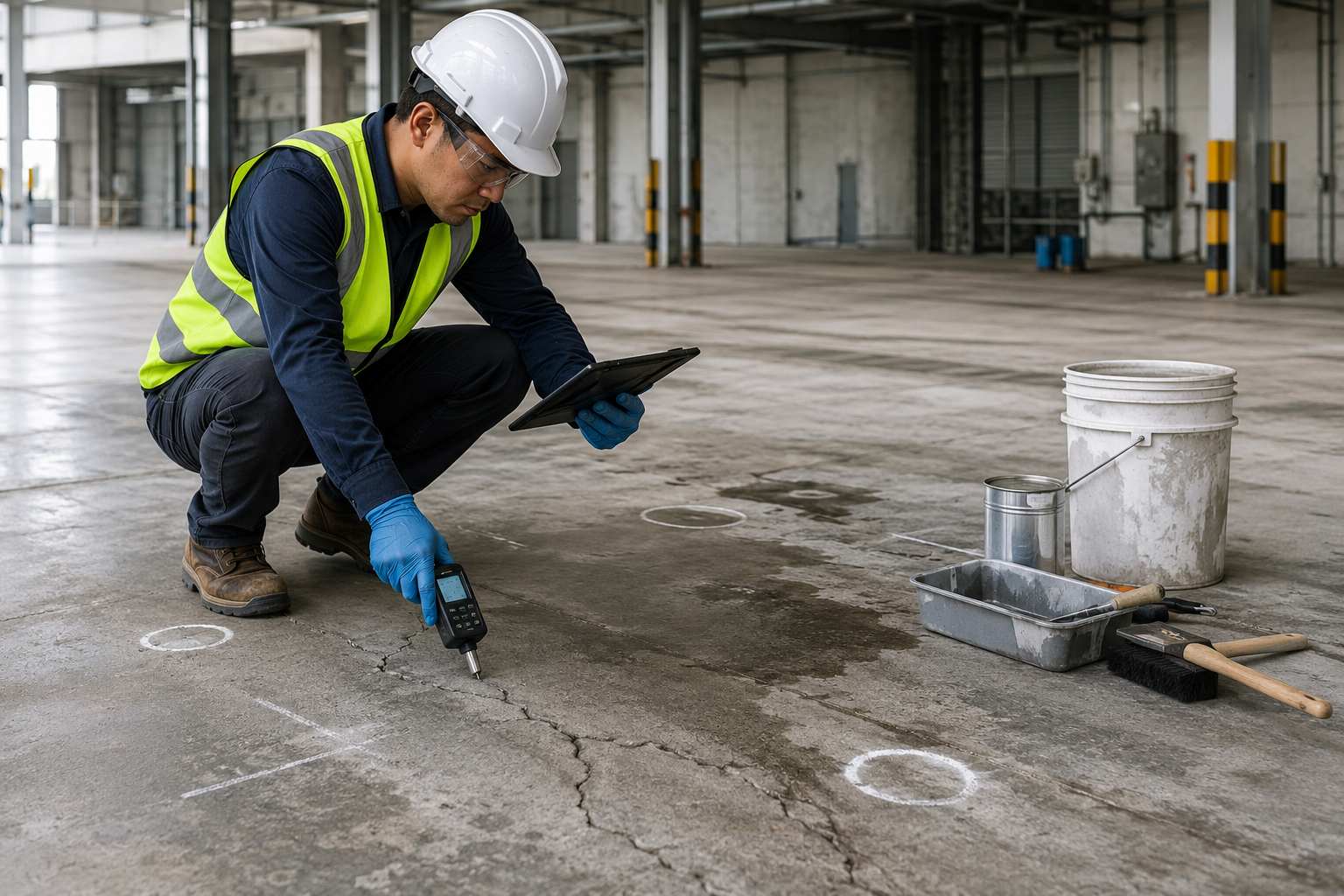
Reinforced concrete depends on the steel inside it to help carry tension, movement, and repeated loads. When water reaches these embedded reinforcements, corrosion can weaken the bond between the steel and concrete. This makes the structure less efficient at handling the daily stresses of vehicles, foot traffic, vibration, and changing weather conditions.
For public infrastructure, this makes waterproofing and regular inspection important in preserving reinforcement performance and reducing the risk of costly structural rehabilitation later on.
Saltwater and Chemical Attack
Water intrusion becomes significantly more damaging when it carries dissolved salts, chemicals, and environmental pollutants. Public infrastructure located near coastal areas, drainage systems, or industrial zones is especially vulnerable due to constant exposure to saltwater spray and airborne contaminants.
Over time, these corrosive elements trigger chemical reactions within the concrete matrix, weakening its internal structure and degrading protective coatings. This accelerates material deterioration and increases the risk of long-term structural damage.
- Coastal and Industrial Infrastructure: Saltwater spray and industrial pollutants penetrate the porous concrete, accelerating internal corrosion of the reinforcement and causing rapid surface scaling.
- Drainage and Wastewater Facilities: Constant exposure to chemical runoff and specialized cleaning agents erodes the protective surface layer, leading to faster surface wear, reduced durability, and high maintenance needs.
Foundation Destabilization
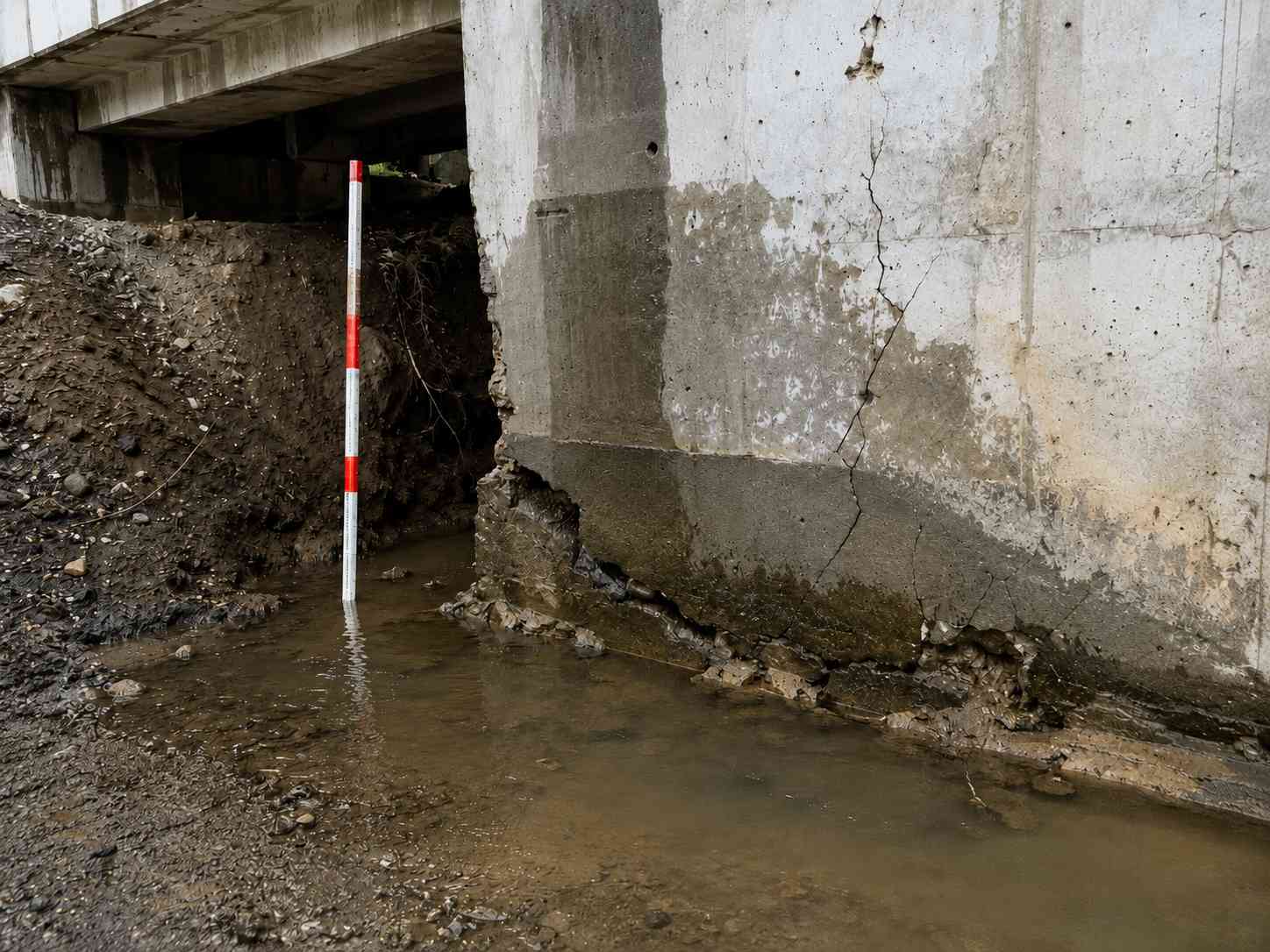
Foundation stability depends heavily on the condition and load-bearing capacity of the soil beneath and around the structure. When unmanaged water accumulates near foundations, it softens the soil matrix, washes away fine particles, and creates subsurface voids that significantly reduce structural support.
Over time, this degradation leads to uneven settlement, structural shifting, and macro-cracking that directly threaten the safety, alignment, and service life of public infrastructure.
High-performance waterproofing systems serve as a critical line of defense by limiting water ingress into below-grade structures and helping control moisture exposure around the foundation.
Biological Growth
When moisture accumulates in stagnant wall cavities, insulation layers, HVAC systems, and enclosed sub-surfaces, it creates an ideal microclimate for the rapid proliferation of mold, mildew, algae, and biofilms.
This organic growth extends far beyond mere aesthetic damage, aggressively attacking the physical and operational integrity of the facility:
- Microbial-Induced Corrosion (MIC): In plumbing and drainage systems, biofilms can accelerate corrosion of internal pipes, causing hidden damage that may not become apparent until leaks or failures occur.
- Air Quality and Hygiene Hazards: In busy public facilities such as schools, hospitals, and transport terminals, airborne spores can degrade indoor air quality and raise health or compliance concerns.
High-performance waterproofing systems help reduce these risks by blocking moisture from entering walls, floors, and concealed joints.
Prevent Structural Damage with Expert Waterproofing Solutions from Flooring Solutions
Unmanaged water intrusion is one of the most significant threats to the structural integrity and operational lifespan of public infrastructure. By partnering with Flooring Solutions, project owners, structural engineers, and facility management teams can help protect critical public assets against moisture-driven degradation.
As industry-leading resin flooring and surface protection experts, we deliver a comprehensive suite of high-performance systems. These include epoxy, polyurethane, methyl methacrylate (MMA), waterproofing, and specialized protective coatings engineered for demanding environments.
Key Takeaway
Understanding how water intrusion impacts the lifespan of infrastructure helps public-sector teams see why moisture protection should be treated as part of long-term asset preservation. When water reaches concrete, reinforcements, foundations, and concealed spaces, it can gradually weaken structural performance over time.
For institutional and public infrastructure projects, Flooring Solutions provides waterproofing and protective coating systems designed for long-lasting infrastructure.
To protect public assets, contact us now and find the right waterproofing solution for your project.