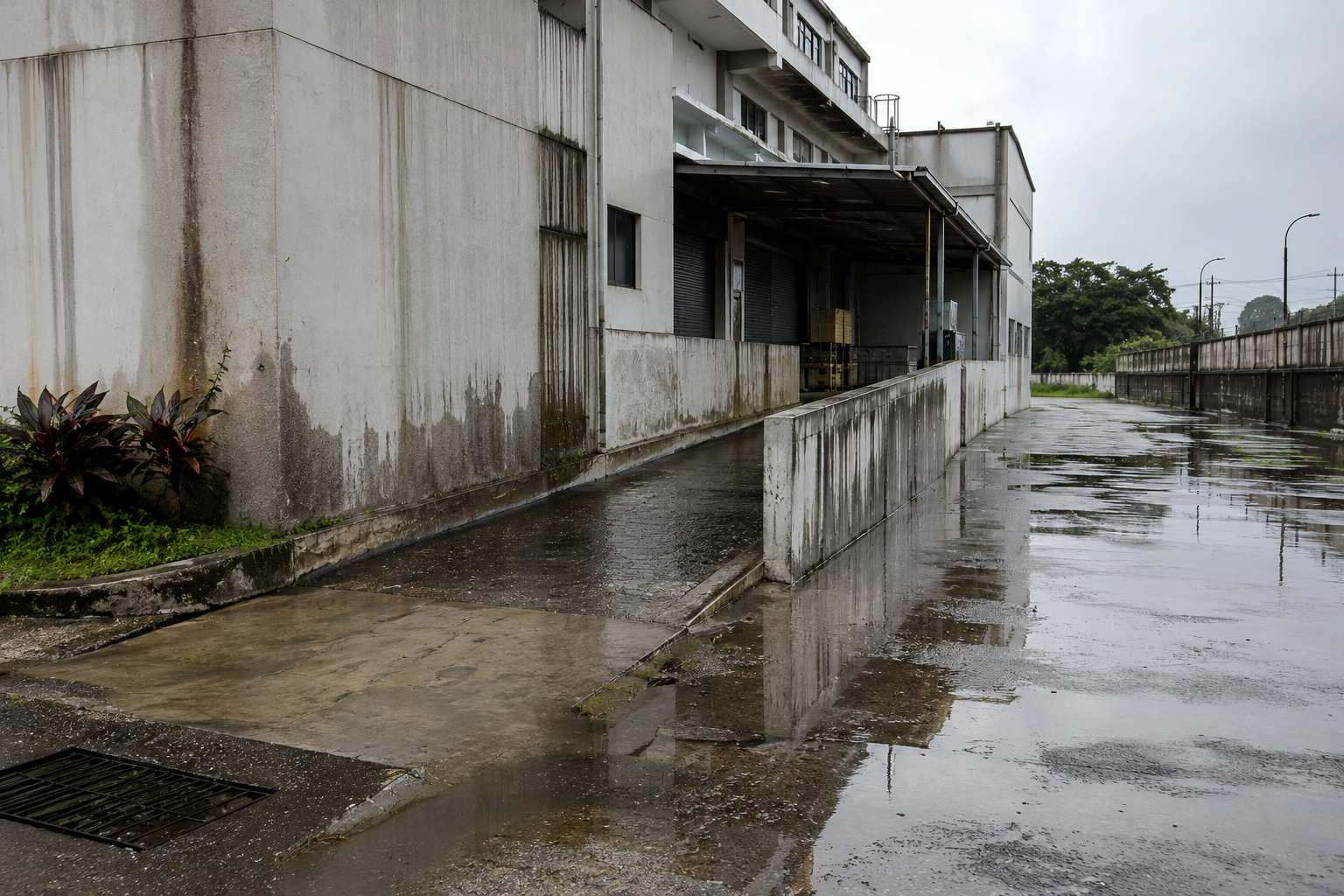
3 Signs of Water Damage and How to Resolve Them
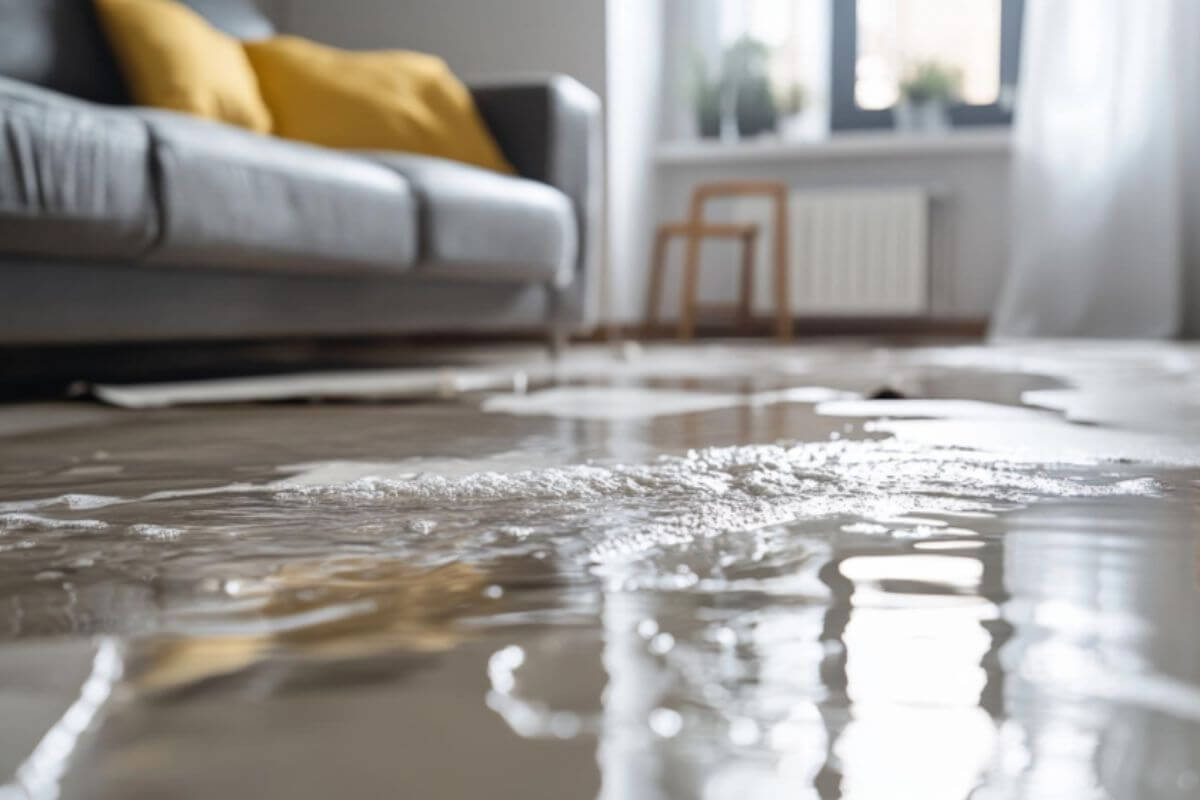
Overview
- Water damage can be visible or hidden, often affecting structural integrity, insulation, and long-term durability.
- Early signs include stains, peeling paint, warping, efflorescence, and loose tiles, while hidden indicators involve odors, humidity changes, leaks, and mold growth. Identifying these early helps prevent costly repairs and supports effective waterproofing solutions.
Water damage presents itself in two forms: what you can see—and what you cannot. For construction and design specialists, the real threat lies beneath the surface, where prolonged exposure to moisture can weaken reinforcement, corrode steel components, and compromise insulation systems.
Distinguishing the signs of water damage is integral when assessing repair strategies. Understanding these, decision-makers can move beyond temporary fixes and consider adequate waterproofing solutions that address root causes rather than surface-level damage.
For property owners seeking protection from water damage, Flooring Solutions offers specialized waterproofing in the Philippines.
Visual and Structural Indicators
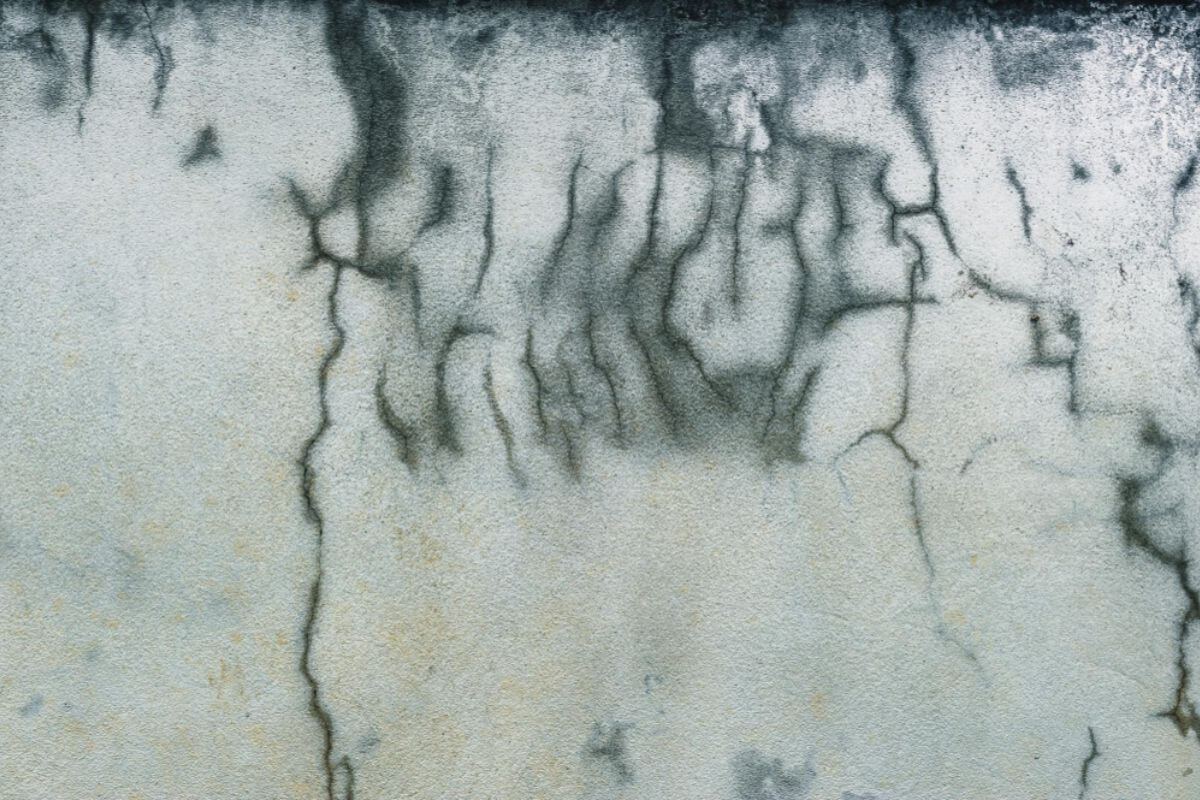
These are early warning signs of moisture intrusion, often appearing before visible deterioration occurs. Detecting them early helps assess the severity of the issue and apply the right corrective measures before the damage worsens.
Stains and Discoloration
Stains appear as yellowish-brown patches, dark spots, or uneven discoloration on walls and surfaces. These often indicate moisture penetration through cracks, joints, or failed waterproofing systems.
Over time, affected areas may expand, feel damp or soft, and in some cases develop a musty odor or minor surface bubbling.
Peeling or Bubbling Paint
Peeling or bubbling occurs when moisture builds up behind painted surfaces, weakening the bond between paint and substrate. This pressure causes paint to lift, blister, or flake over time.
Initial signs include small bubbles or edge separation, which can progress into widespread peeling that exposes damp concrete. In humid conditions, the issue may persist if the underlying moisture is not resolved.
Warped or Sagging Materials
Prolonged water exposure can weaken structural materials, leading to visible deformation such as sagging ceilings, bulging drywall, warped wood, or uneven flooring.
This happens as materials absorb moisture, expand, and lose rigidity, eventually compromising their structural stability and appearance.
Efflorescence and Rust
Efflorescence appears as white, powdery deposits on concrete or masonry, caused by water carrying salts to the surface. Rust occurs when moisture comes into contact with metal components, leading to corrosion and weakening of structural elements.
Both conditions indicate hidden moisture issues that, if ignored, may result in cracks, material degradation, and costly repairs.
Loose Tiles
Loose or shifting tiles are a clear sign of moisture damage beneath the surface. Water intrusion weakens adhesive bonds and grout, causing tiles to lift or detach.
Proper waterproofing and repair are essential to restore adhesion, reinforce affected areas, and prevent recurring damage over time.
The following are waterproofing solutions available from Flooring Solutions:
- Cementitious Waterproofing – Strengthen the substrate and prevent water infiltration beneath tiles.
- Epoxy Coatings – Repair and reenforce areas prone to moisture damage.
- Tile Adhesives and Repair Systems – Designed for wet and high-humidity areas to secure tiles firmly.
- Professional Installation and Recoating Services – Ensure appropriate bonding, leveling, and long-lasting protection.
Sensory and Hidden Signs
Not all water damage is immediately visible. Early signs often appear through subtle sensory cues or remain hidden within walls, ceilings, or flooring. Identifying these indicators allows property owners to address moisture issues before they develop into serious structural or health problems.
Musty or Damp Odor
It occurs when moisture becomes trapped in walls, ceilings, or flooring, creating conditions that allow mold and mildew to develop. Even without visible damage, this odor indicates hidden water intrusion.
Common signs include:
- Mold or mildew growth behind walls or under floors
- Hidden leaks from plumbing or roof penetrations
- Potential long-term damage if left untreated
Unexplained High Water Bill
High water bills are often caused by leaks in plumbing systems, faulty pipes, or hidden seepage under floors and behind walls. These issues allow water to escape continuously, even without visible signs, increasing consumption and utility costs.
Over time, this persistent leakage can also lead to structural weakening, mold growth, and damage to building materials.
Sounds of Running Water
Subtle sounds such as faint trickles or gurgling when taps are turned off may indicate water escaping from pipes or fittings. These leaks can seep into structural elements and lead to long-term damage, including wood rot, mold growth, and weakened foundations.
Early detection allows property owners to identify the source, address the leak, and prevent costly repairs before visible damage occurs.
Increased Humidity
Moisture trapped within walls, ceilings, or flooring can increase indoor humidity, creating conditions that promote mold growth, wood warping, and metal corrosion. Monitoring humidity levels, especially in areas prone to leaks or poor ventilation, helps detect water issues early and prevents more severe damage.
Environmental Changes
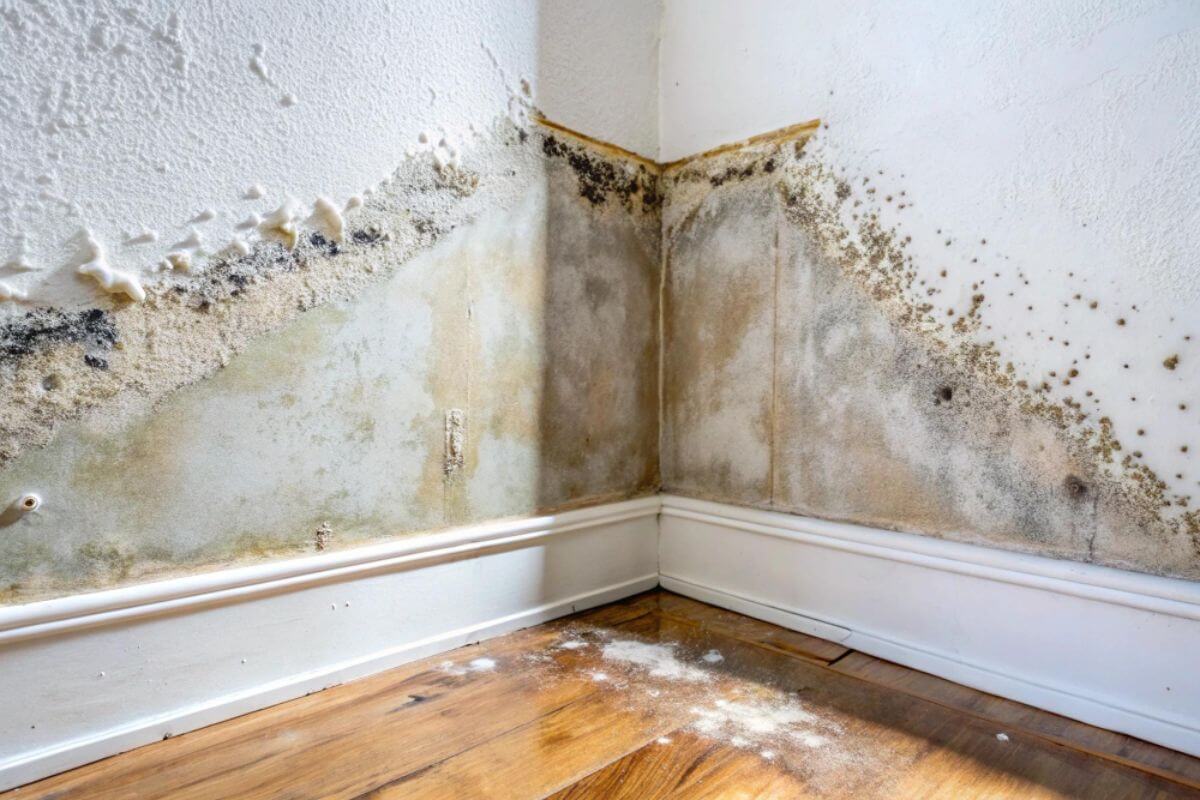
Subtle shifts in your establishment’s environment is an evident sign that there’s an underlying water damage. Paying attention to these changes, you can determine problems early and implement appropriate waterproofing or repair protocols.
Mold Growth
It usually appears as fuzzy or discolored patches on walls, ceilings, or floors, accompanied by a musty smell. Not only does it influence aesthetics but also sacrifice building materials and pose health risks.
Pest Infestation
Pest activities, like termites, cockroaches, or rodents, warn of water damage. Moisture softens wood and other structure products, which creates conditions for these pests to thrive. Recognizing these can prevent both structural weakening and costly repairs, highlighting the importance of maintaining dry environments.
Temperature Changes
Sudden or localized temperature shifts, like strangely cold or damp spots in walls or floors, demonstrate that moisture retention or leaks already occur. Water can disrupt insulation and impact the thermal consistency of a space, possibly resulting in energy inefficiency.
Key Takeaway
Recognizing the signs of water damage early can save property owners from costly repairs and structural deterioration.
For reliable solutions to address water damage and prevent future issues, Flooring Solutions offers a complete range of waterproofing products and professional services. Contact our expert team today to secure durable, high-quality protection for your facility.