Why Site Inspection Should Come Before Choosing a Waterproofing System
Overview
- Choosing a waterproofing system is not just about picking a product. Cementitious coatings, polyurethane membranes, bituminous coatings, crystalline waterproofing, and liquid-applied membranes all perform differently.
- Their performance depends on the project area, substrate condition, exposure level, and moisture source.
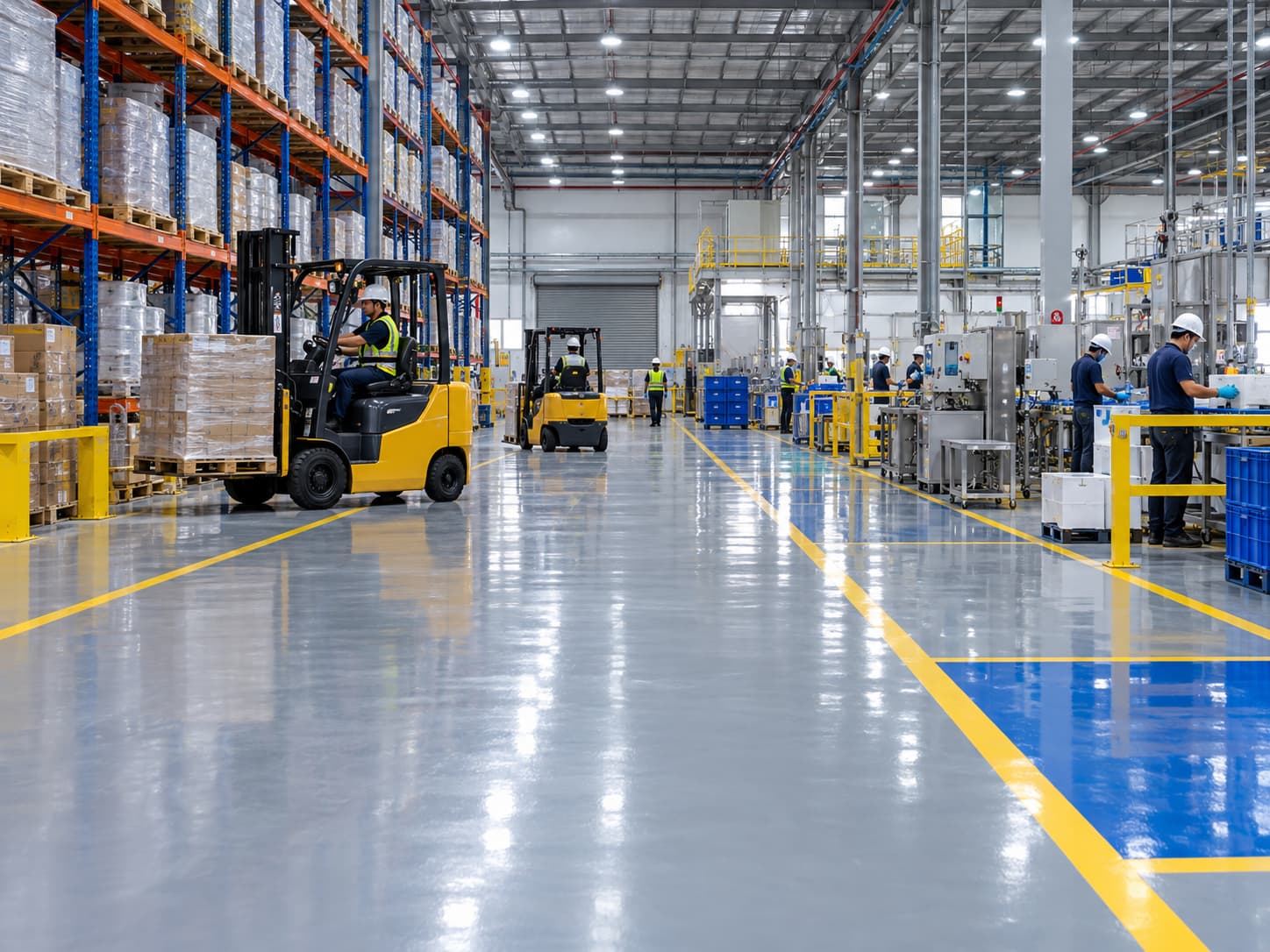
- This is especially important in the Philippines. Heavy rainfall, humidity, and daily site operations can speed up moisture-related damage in industrial, manufacturing, construction, and development projects.
- Flooring Solutions also notes that commercial and industrial buildings need waterproofing to manage heat, humidity, rainfall, water seepage, corrosion, and structural deterioration risks.
- A proper site inspection helps shift the decision from “Which product should we buy?” to “Which system will work for this site?”
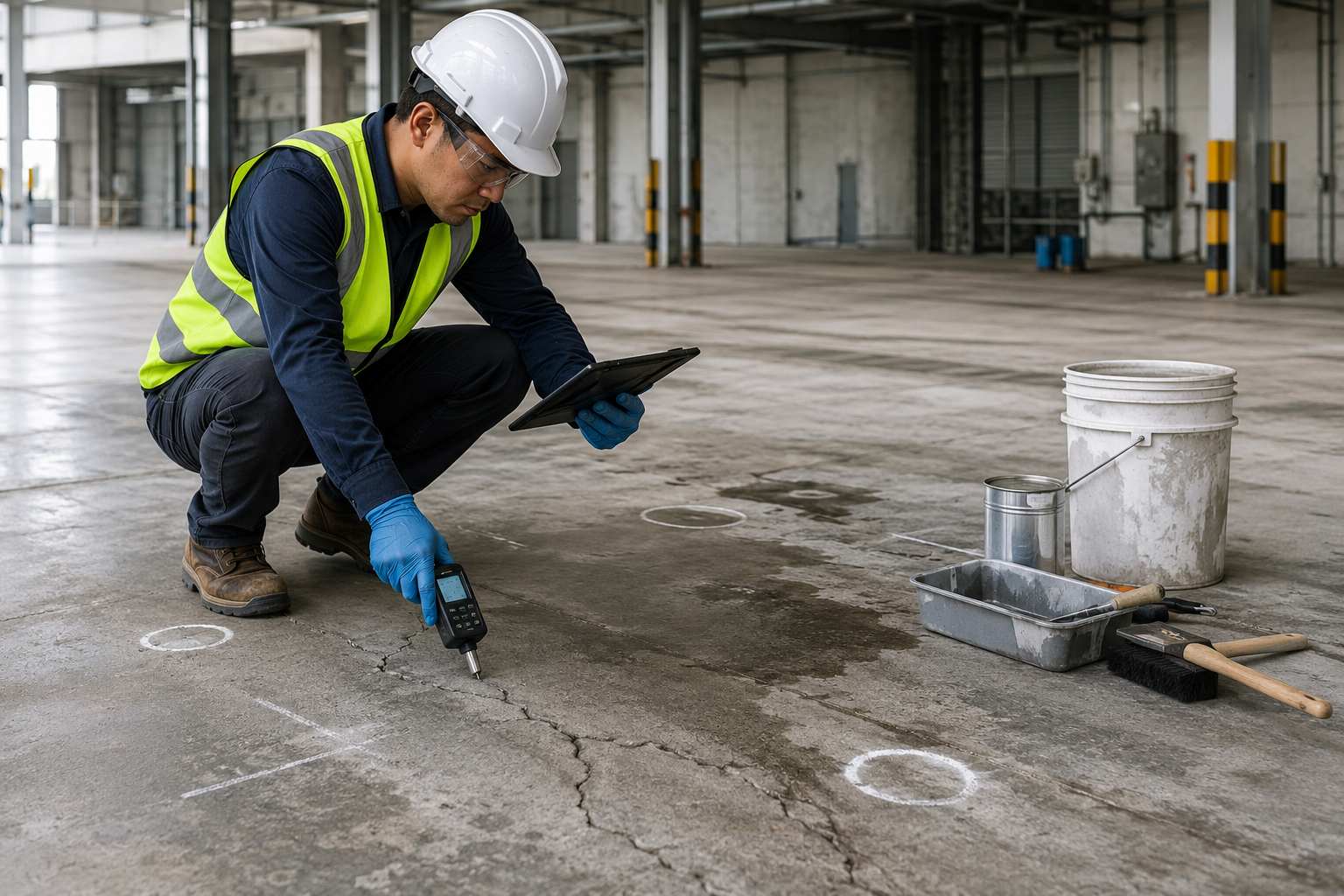
Waterproofing failures often happen because the project team assumes the slab, wall, roof deck, basement, tank, wet area, or industrial floor is ready for application. In reality, the surface may have hidden cracks, trapped moisture, laitance, weak concrete, contamination, poor slope, or active water movement.
This is why site inspection should come before choosing a waterproofing system. Product data sheets can explain performance ratings, curing time, elongation, adhesion values, and application limits, but they cannot confirm what is happening on the actual site.
For construction teams, design professionals, developers, and industrial facility managers, this step is not just technical. It affects budget control, project timelines, maintenance planning, and long-term structural protection.
Why Product Selection Alone Is Not Enough
A waterproofing product may be high-quality, but it can still fail if it is applied to the wrong surface or used against the wrong water condition. The ASTM moisture testing standard notes that excessive moisture in floor slabs after floor covering installation can cause failures such as debonding, peaking, coating deterioration, and microbial growth, which is why manufacturers generally require moisture testing before installation.
This applies directly to waterproofing work. If a membrane is installed over a slab with excessive vapor drive, it may blister. If a coating is applied over oil-contaminated concrete, it may delaminate. If a system is specified for the wrong water pressure direction, moisture may remain trapped inside the structure.
A site inspection helps confirm whether the waterproofing system is compatible with the substrate, the moisture condition, and the area’s actual use.
What Surface Conditions Should Be Checked First?
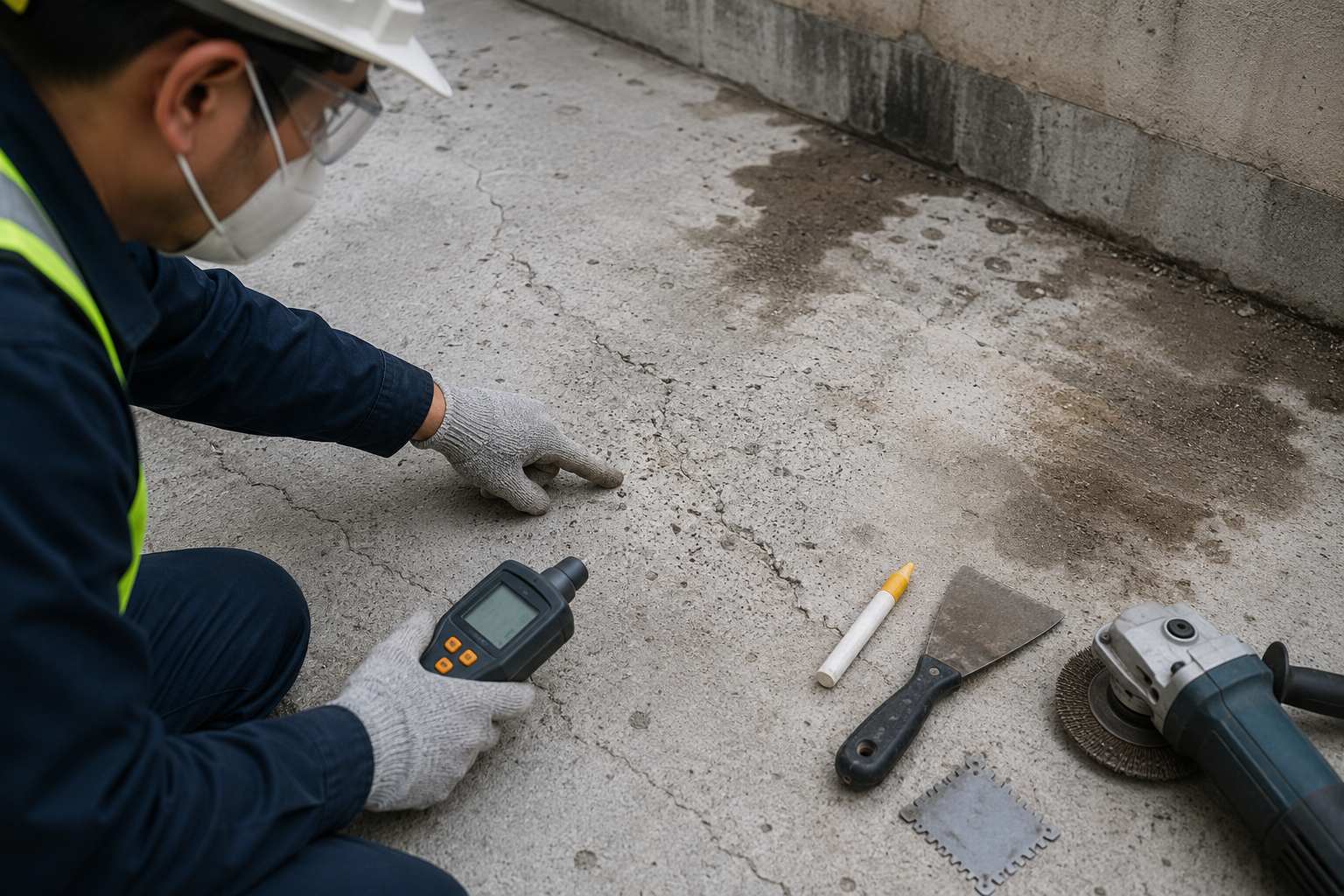
Before recommending a waterproofing system, the substrate must be inspected carefully. Concrete may look acceptable on the surface, but still have issues that affect adhesion, curing, and long-term waterproofing performance.
Surface Porosity
Porosity affects how primers, coatings, and membranes bond to the surface. Highly porous concrete may absorb primer unevenly, while dense or poorly prepared concrete may prevent proper mechanical bonding.
A site inspection helps determine whether the surface needs grinding, shot blasting, profiling, or another preparation method before waterproofing begins.
Cracks and Movement
Not all cracks require the same waterproofing response. Hairline cracks, active cracks, construction joints, cold joints, and structural movement cracks must be treated differently.
For example, a static crack may need filling or sealing, while a moving crack may require a flexible membrane, joint detailing, or crack-bridging system. Skipping this assessment can lead to recurring leaks even after application.
Contamination
Industrial and manufacturing areas may have oil, grease, chemicals, dust, curing compounds, laitance, or old coating residues on the surface. These contaminants reduce adhesion and can cause delamination.
This is one reason surface preparation is part of Flooring Solutions’ service process, alongside site inspection, product specification, application, repairs, and after-sales support.
Concrete Strength
Weak concrete can fail below the waterproofing layer even if the membrane itself is properly applied. Pull-off testing or similar assessment methods can help determine whether the substrate has enough tensile strength to hold the system.
If the concrete is weak, repair or strengthening work may be needed before waterproofing.
Why the Moisture Source Must Be Identified
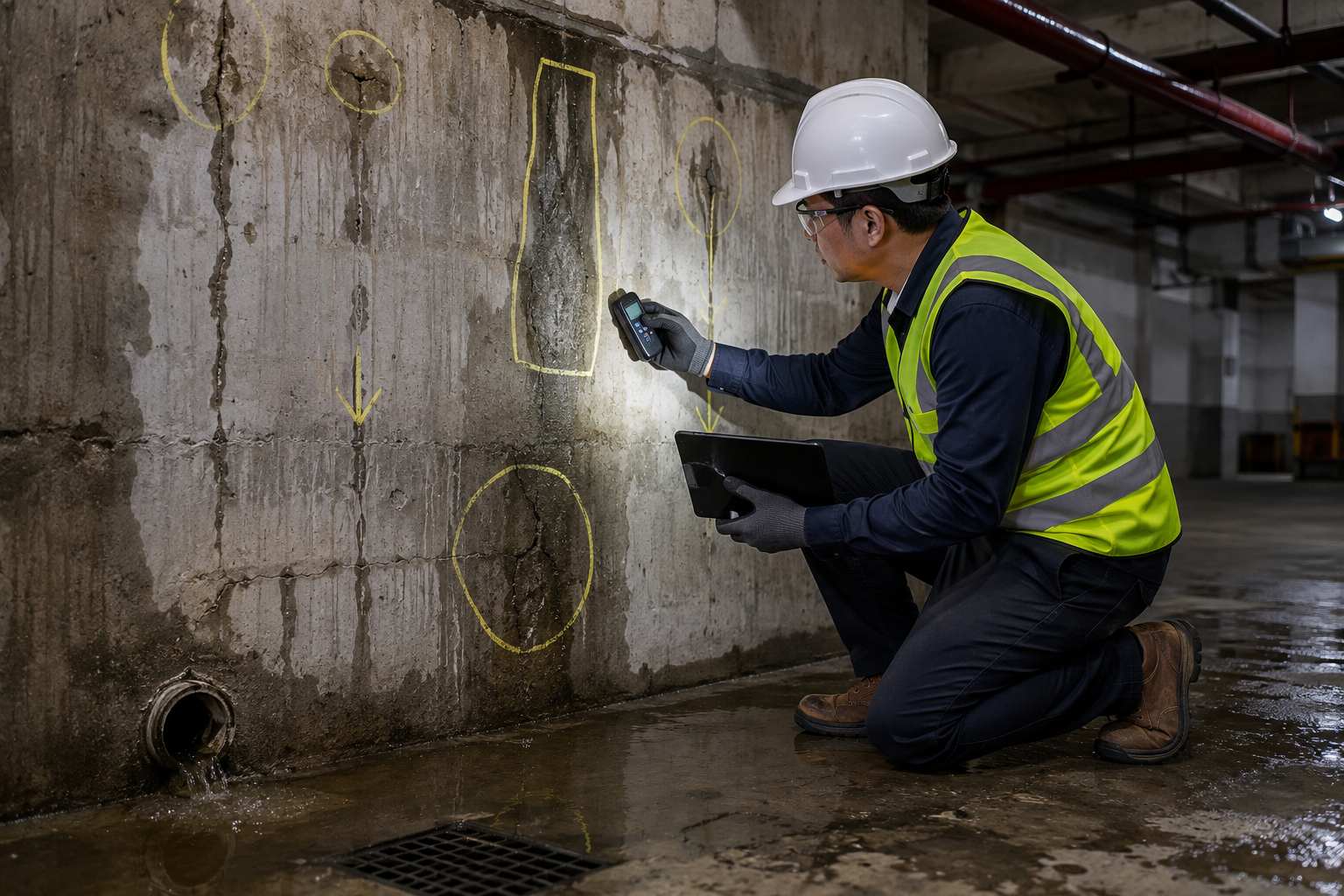
Waterproofing systems are designed to manage specific types of water exposure. A roof deck exposed to rainfall is different from a basement wall under hydrostatic pressure. A cold storage slab with condensation issues is different from a wet room with surface water exposure.
Positive-Side Moisture
Positive-side waterproofing addresses water from the side where it enters the structure. This is common in exterior walls, roof decks, tanks, podium decks, and below-grade structures where water exposure is expected from outside.
Negative-Side Moisture
Negative-side waterproofing is used when water pressure comes from the opposite side of the accessible surface. This can happen in basements, retaining walls, and interior areas where exterior access is limited.
Vapor Drive and Trapped Moisture
Some slabs experience vapor movement from below. If this is not tested, a non-breathable system may trap moisture and create blistering or debonding.
A site inspection helps determine whether the issue is active leakage, vapor transmission, condensation, poor drainage, plumbing failure, or groundwater pressure. Each condition requires a different response.
How Project Area Affects Waterproofing System Choice
The right waterproofing system also depends on the project area. Environmental exposure, site conditions, structure type, application area, durability needs, and project requirements all affect which system will perform best, which is why these are key factors to consider when choosing a waterproofing system.
For industrial and commercial projects, this can vary widely.
Roof Decks and Exposed Areas
Roof decks need systems that can handle UV exposure, heat, rainfall, ponding risks, and movement. Slope, drainage, penetrations, and detailing around equipment bases must be checked during inspection.
Basements and Below-Grade Areas
Basements require careful evaluation because water may come from soil pressure, groundwater, cracks, joints, or drainage failure. Below-grade spaces may also need water management strategies beyond the membrane itself, especially where hydrostatic pressure is present.
Wet Rooms and Processing Areas
Commercial kitchens, food processing rooms, washdown areas, and commissaries may need waterproofing systems that resist water, cleaning chemicals, thermal shock, and frequent sanitation cycles.
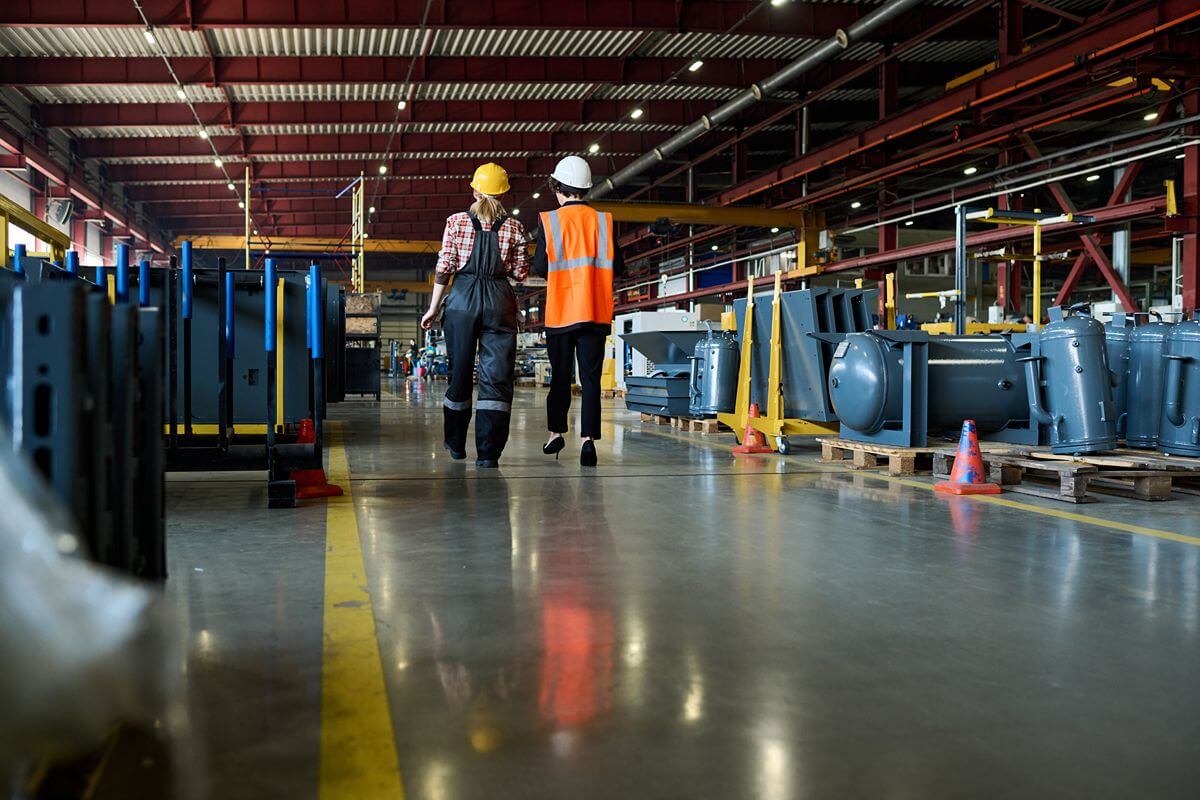
Manufacturing and Industrial Facilities
Manufacturing areas may expose the system to chemicals, impact, abrasion, forklifts, machinery vibration, and operational downtime limits. These conditions should be documented before choosing the final waterproofing system.
How Structural Use Influences Long-Term Performance
A waterproofing system must match how the area will function after installation. This matters for developers, contractors, designers, and facility teams because the waterproofing layer is often hidden beneath finishes, equipment, slabs, tiles, coatings, or backfill.
If the area will carry heavy loads, the system may need higher mechanical resistance. If the area will handle chemicals, it may need chemical-resistant properties. If the structure is expected to move, the system may need flexibility and crack-bridging capacity.
This is also why industrial waterproofing should be specified as a system, not just a material. The primer, surface preparation method, membrane, reinforcement, detailing, protection layer, curing condition, and maintenance plan must work together.
Risks of Skipping Site Inspection
Skipping site inspection may save time at the start, but it can create larger costs later. Common risks include:
- Poor adhesion due to surface contamination
- Blistering caused by trapped vapor or moisture
- Delamination from weak concrete or wrong primer selection
- Recurring leaks from untreated cracks or joints
- Membrane damage from traffic or mechanical exposure
- System incompatibility with chemicals or cleaning methods
- Rework that disrupts operations and project turnover
In industrial and manufacturing environments, these failures can affect safety, hygiene, production schedules, and maintenance budgets.
Final Thoughts
Understanding why site inspection should come before choosing waterproofing system options helps project teams avoid assumptions that lead to failure. Waterproofing is not only about selecting a material. It is about matching the system to the surface, water source, project area, and long-term structural use.
For construction, design, development, and industrial projects, a proper site inspection gives decision-makers the information needed to specify the right system from the beginning. It helps reduce rework, prevent premature failure, and protect the structure against long-term moisture damage.
Key Takeaway
A waterproofing system should be chosen only after site inspection. Surface condition, moisture source, area use, traffic, chemical exposure, and structural movement all affect performance. A proper assessment helps teams choose a safer, more durable solution for actual site conditions.
Planning a waterproofing project for an industrial, commercial, or construction site? Work with Flooring Solutions Philippines for site inspection, product specification, surface preparation, application, and long-term waterproofing support. Contact the team today to discuss the right waterproofing system for your project conditions.