Understanding Waterproofing Materials: Which Options Are Available in the Philippines?
What are the waterproofing materials available in the Philippines?
- Epoxy Waterproofing
- Cementitious waterproofing
- Bituminous coatings
- Polyurethane Coatings
- Liquid-applied membranes (LAMs)
- Crystalline admixtures
- Integral cement
Overview
Industrial environments demand durable waterproofing solutions to prevent structural damage.
This article outlines key waterproofing materials in the Philippines, including cementitious, bituminous, polyurethane, and crystalline systems, and explains how to select the right option based on movement, exposure, and application requirements for long-term performance.
Industrial and manufacturing environments operate under demanding conditions, including heavy loads, chemical exposure, high humidity, and constant operational stress. These factors can accelerate material degradation and compromise structural integrity if not properly managed.
Selecting the right waterproofing solution is critical for long-term performance. Understanding the waterproofing materials available in the Philippines helps professionals choose systems that withstand environmental exposure while maintaining structural reliability.
This article examines common waterproofing materials used in the Philippines and evaluates their performance in industrial and construction applications.
Epoxy Waterproofing
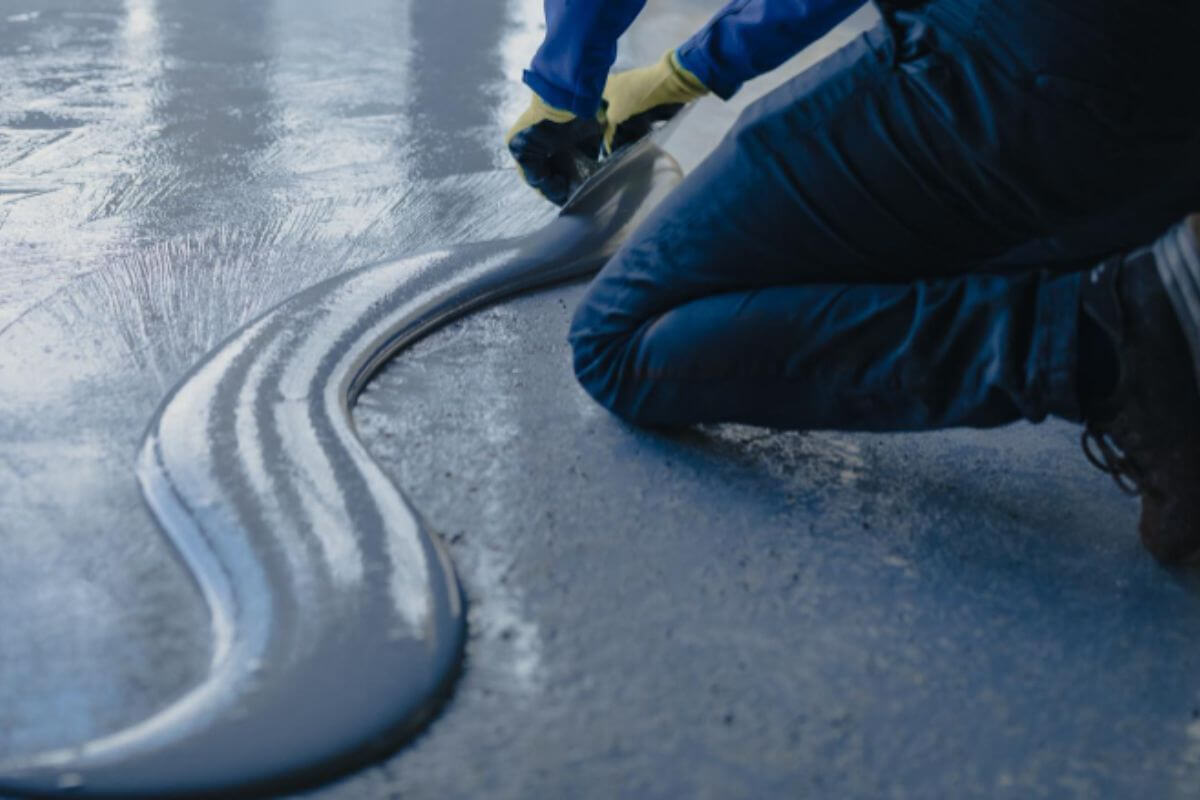
Epoxy waterproofing systems are resin-based coatings that cure into a dense, seamless, and non-porous layer. This creates a strong barrier that prevents water penetration while providing excellent adhesion to concrete surfaces.
They are highly resistant to chemicals, abrasion, and mechanical wear, making them suitable for demanding industrial environments. Their rigid structure also makes them ideal for areas with minimal structural movement.
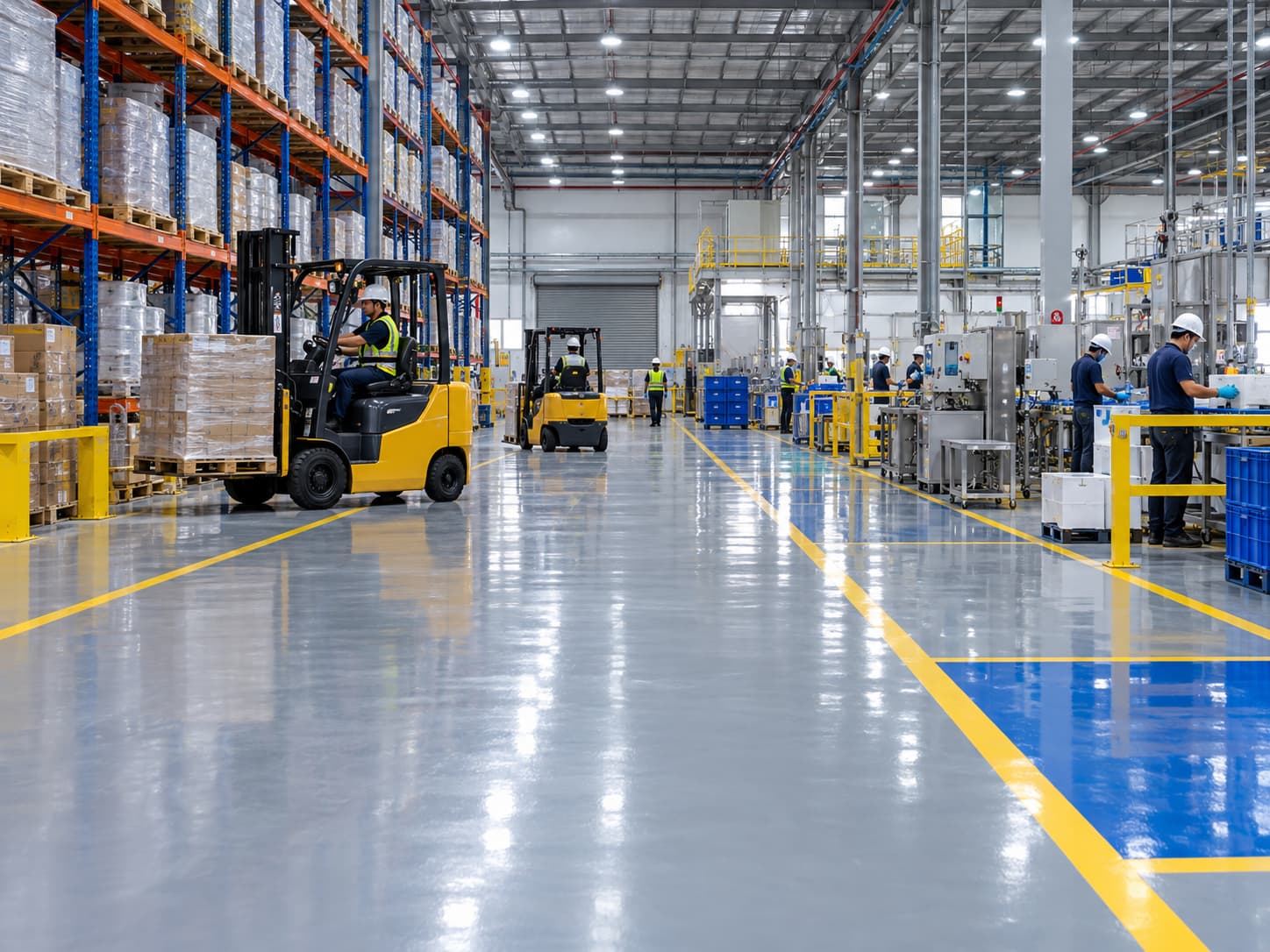
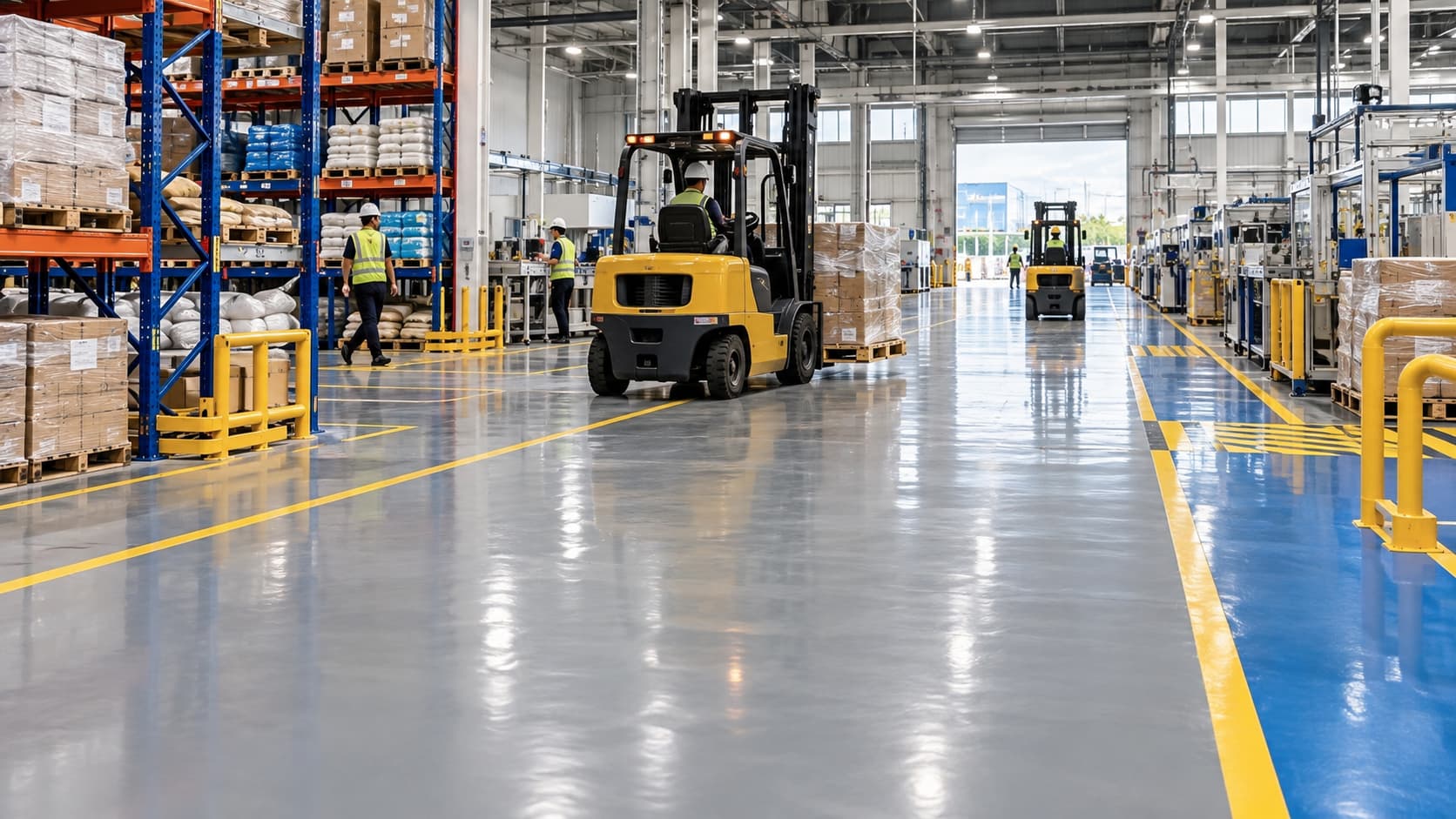
Intended applications: Industrial floors, warehouses, processing plants, secondary containment areas, and surfaces exposed to chemicals
Cementitious Waterproofing
A cement-based coating applied to concrete or masonry creates a rigid barrier that prevents water penetration. Its strong adhesion and durability make it suitable for areas exposed to constant moisture.
This system is commonly used due to its straightforward application and cost-efficiency, especially in environments with frequent water exposure or hydrostatic pressure.
Intended applications: Basements, water tanks, roof slabs, tunnels, terraces, and retaining walls
Bituminous Coatings
Bituminous coatings are asphalt-based materials that form a moisture-resistant layer on surfaces. Their flexibility and strong adhesion make them effective for protecting below-ground and water-exposed structures.
They also provide resistance to corrosion and can be applied easily across uneven or irregular surfaces.
Intended applications: Foundations, tunnels, bridge decks, roofing underlays, and underground structures
Polyurethane Coatings
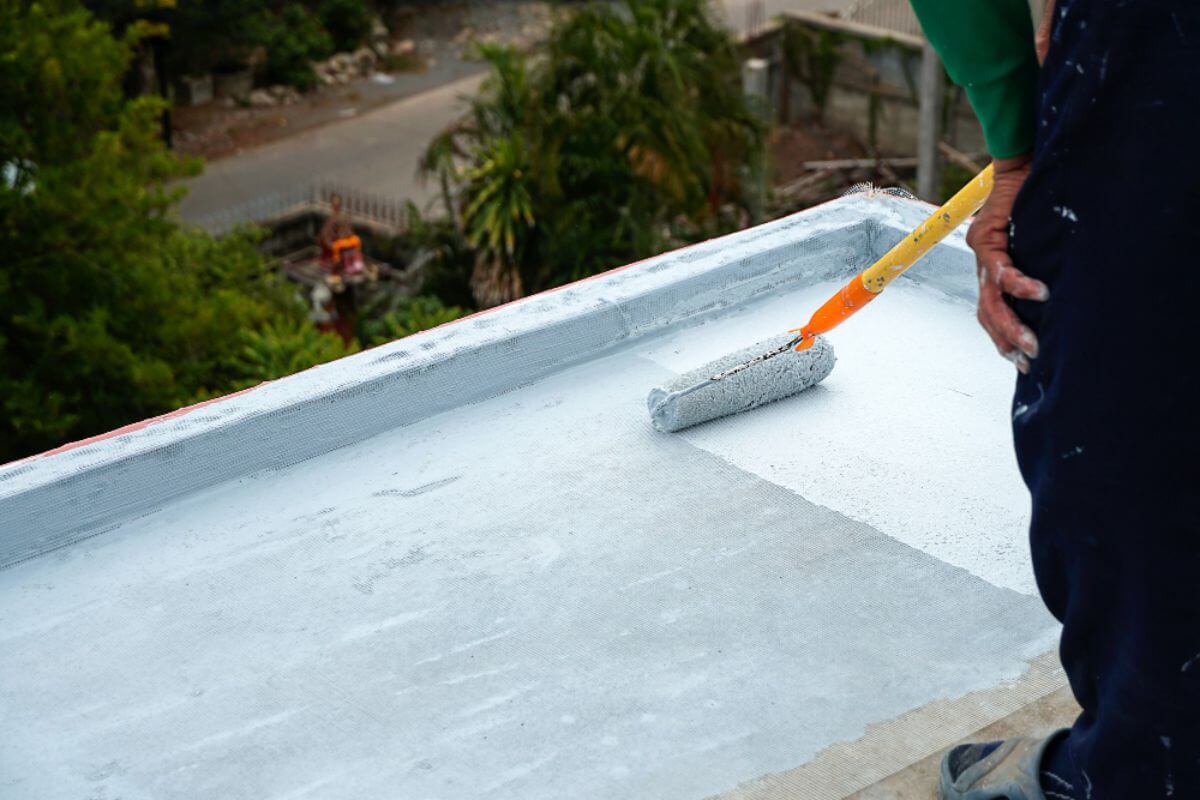
A liquid-applied polyurethane system cures into a seamless, flexible membrane that maintains waterproofing performance even under structural movement.
It offers strong resistance to chemicals, abrasion, and weather exposure, making it suitable for demanding industrial and outdoor conditions. Its seamless finish also reduces the risk of leaks, particularly on exposed or high-traffic surfaces.
Intended applications: Roof decks, parking decks, industrial floors, wet areas, and exposed concrete surfaces
Liquid-Applied Membranes (LAMs)
Applied as a liquid, these membranes cure into a seamless and flexible waterproof layer. Their ability to accommodate movement makes them suitable for structures subject to thermal expansion or minor cracking.
The seamless finish minimizes leakage risks and performs well on complex or irregular surfaces exposed to weather and chemicals.
Intended applications: Roofs, balconies, podium decks, wet areas, and structural joints
Crystalline Admixtures
These chemical additives are mixed into concrete and react with moisture to form crystals that seal pores and microcracks. This process enhances the concrete’s resistance to water from within.
Because the protection is integrated into the material, it provides long-term durability without requiring external coatings.
Intended applications: Water tanks, basements, sewage systems, tunnels, and moisture-exposed concrete
Integral Cement
Waterproofing additives mixed into concrete during batching allow the entire structure to resist water penetration. This ensures consistent protection throughout the material rather than relying on surface treatments.
The result is reduced absorption and improved resistance to leaks, even if the surface is damaged.
Intended applications: Foundations, basements, reservoirs, pools, substructures, and slabs in humid environments
How to Choose the Right Waterproofing Material
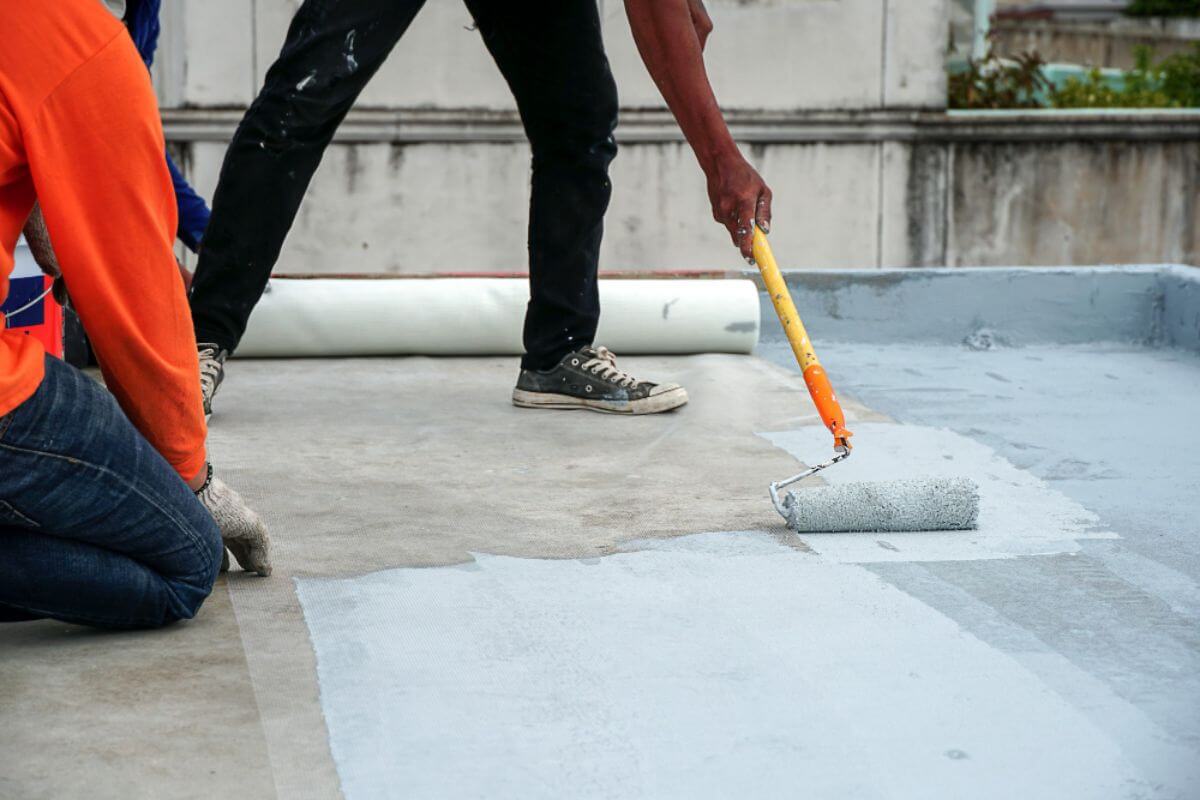
Selecting the appropriate system depends on site conditions, structural requirements, and environmental exposure.
Consider the following:
- Movement: Flexible systems such as LAMs and polyurethane coatings are suitable for structures with movement
- Water exposure: Crystalline and cementitious systems perform well in areas with constant moisture
- Chemical exposure: Epoxy, polyurethane, and bituminous systems offer strong resistance to chemicals
- Application area: Roofs, basements, and tanks require application-specific solutions
- Maintenance requirements: Some systems may require periodic inspection, maintenance, or recoating
Choose Flooring Solutions for Quality and Durable Waterproofing Materials in the Philippines!
Selecting the right waterproofing system requires both technical evaluation and access to quality materials. Flooring Solutions provides systems designed for industrial, commercial, and construction applications.
Our solutions support durability, compliance, and long-term performance across demanding environments.
| Solution | Key Properties |
|---|---|
| Epoxy Waterproofing | Chemical-resistant, seamless coating |
| Cementitious Waterproofing | Strong adhesion, easy application |
| Bituminous Coatings | Flexible, moisture-resistant barrier |
| Polyurethane Coatings | Flexible, seamless, and highly resistant to chemicals and weather |
Key Takeaway
Choosing the right waterproofing materials available in the Philippines is essential for protecting your facility, ensuring structural durability, and maintaining operational efficiency.
With Flooring Solutions, you gain access to high-quality waterproofing products and expert installation services tailored to specific sector needs. From cementitious coatings to polyurethane and bituminous systems, we help ensure long-lasting protection for your property.
Contact us today to discuss your project and secure durable waterproofing solutions for your facility.