What are the Common Mistakes Businesses Make When Choosing Epoxy Coating
What are the common mistakes businesses make when choosing epoxy coating?
- Skipping moisture and vapor testing
- Underestimating thickness needs
- Ignoring UV exposure
- Using substandard or imitation products
- Incorrect formulation for business use
Overview
- Choosing the right epoxy flooring requires evaluating operational demands.
- Common mistakes include ignoring moisture, underestimating thickness, neglecting UV exposure, using cheap products, and selecting incorrect formulations.
- Avoiding these pitfalls by tailoring the coating to your specific environment ensures long-term durability, saving your business from costly future repairs and operational disruptions.
Different epoxy products may look identical on the surface, but their long-term durability goes far beyond a sleek finish. Real-world operational demands and your specific facility environment ultimately dictate how well a floor holds up over time. Overlooking these crucial factors often leads to premature peeling, expensive repairs, and unexpected operational disruptions.
Learning the common mistakes businesses make when choosing epoxy coating is the single best way to protect your bottom line. When you know exactly what to look for, you can easily select a high-performance floor tailored to your specific needs rather than focusing solely on upfront pricing or appearance. Let’s explore these frequent pitfalls in detail so you can make a smarter, more informed decision for your business.
Skipping Moisture and Vapor Testing
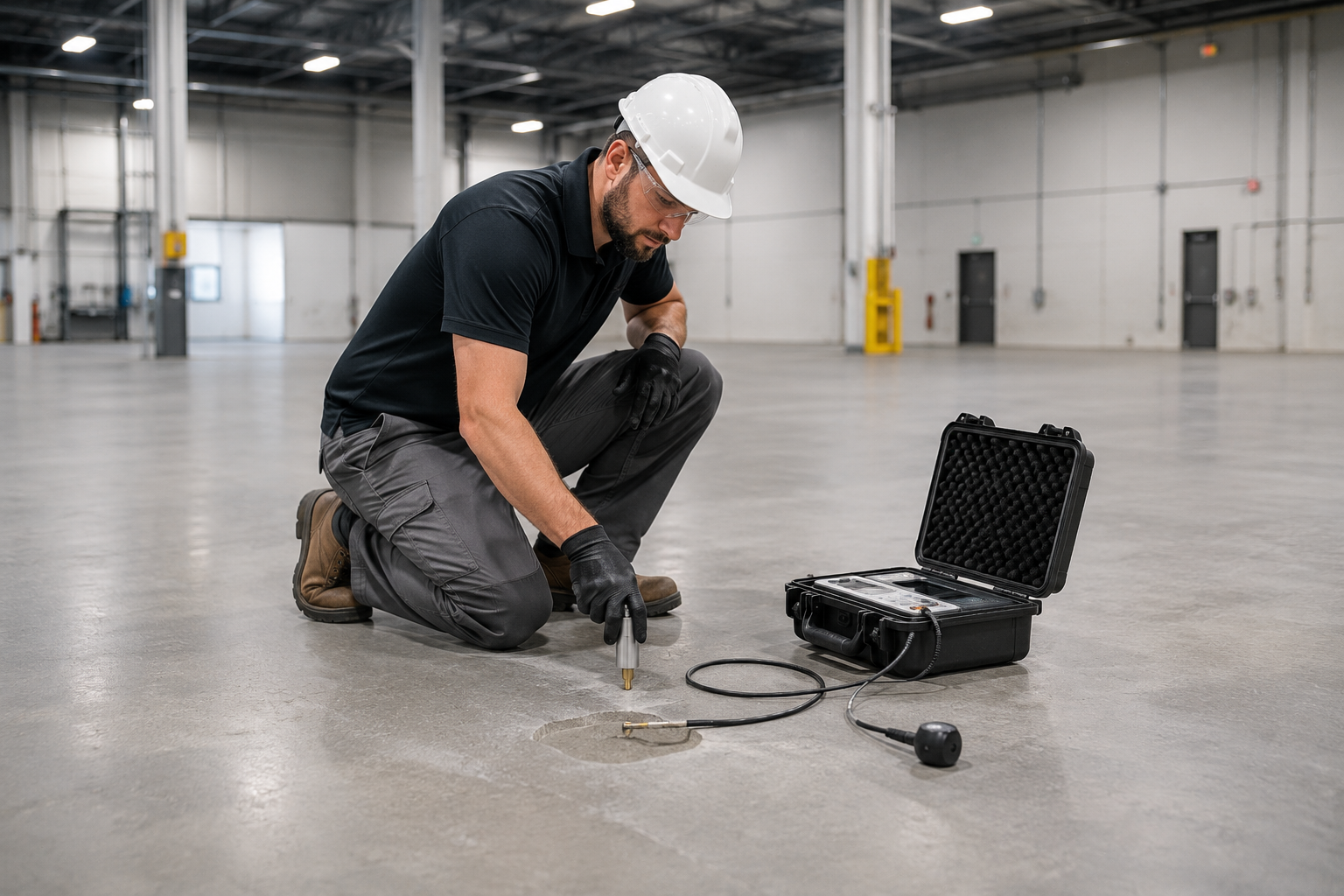
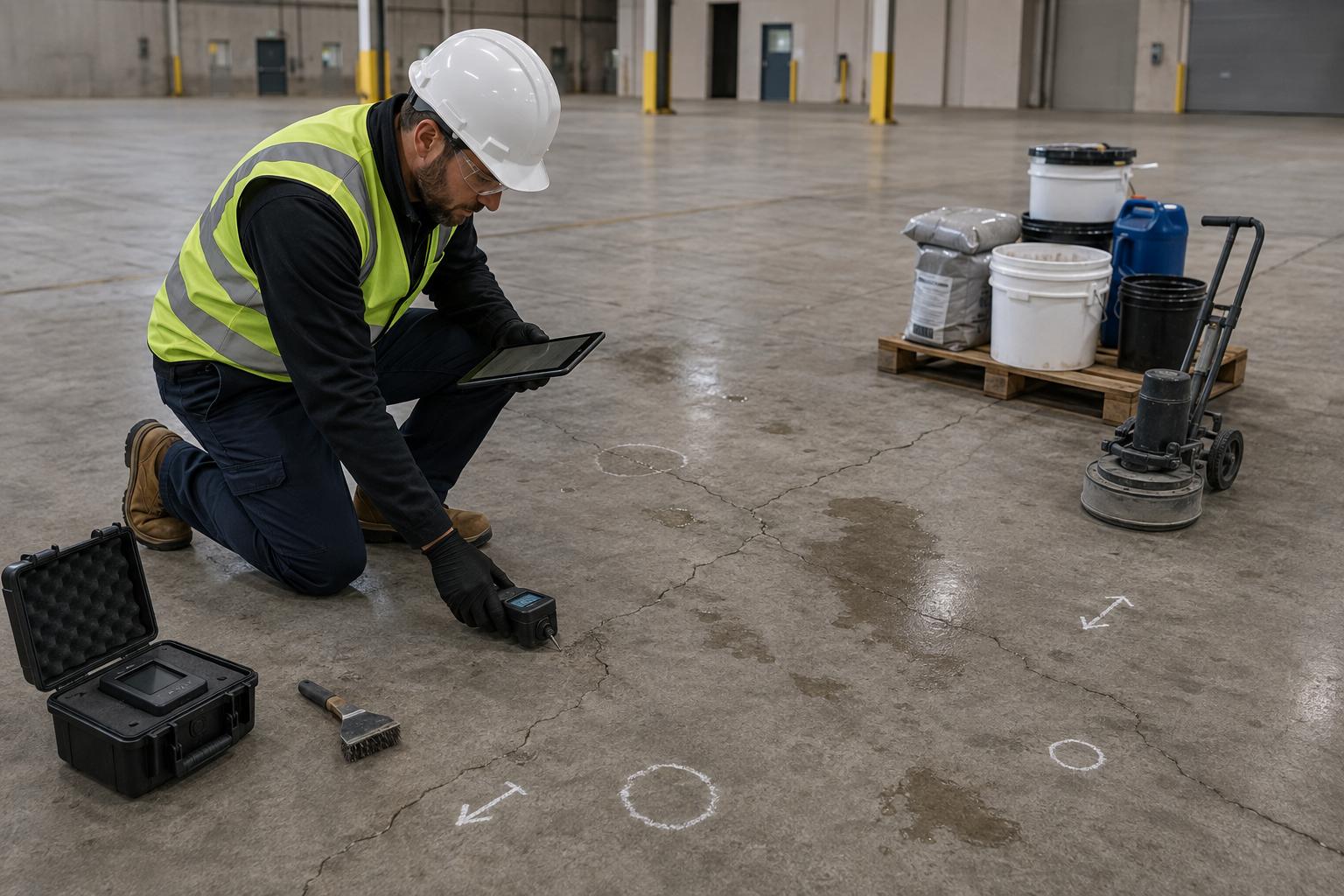
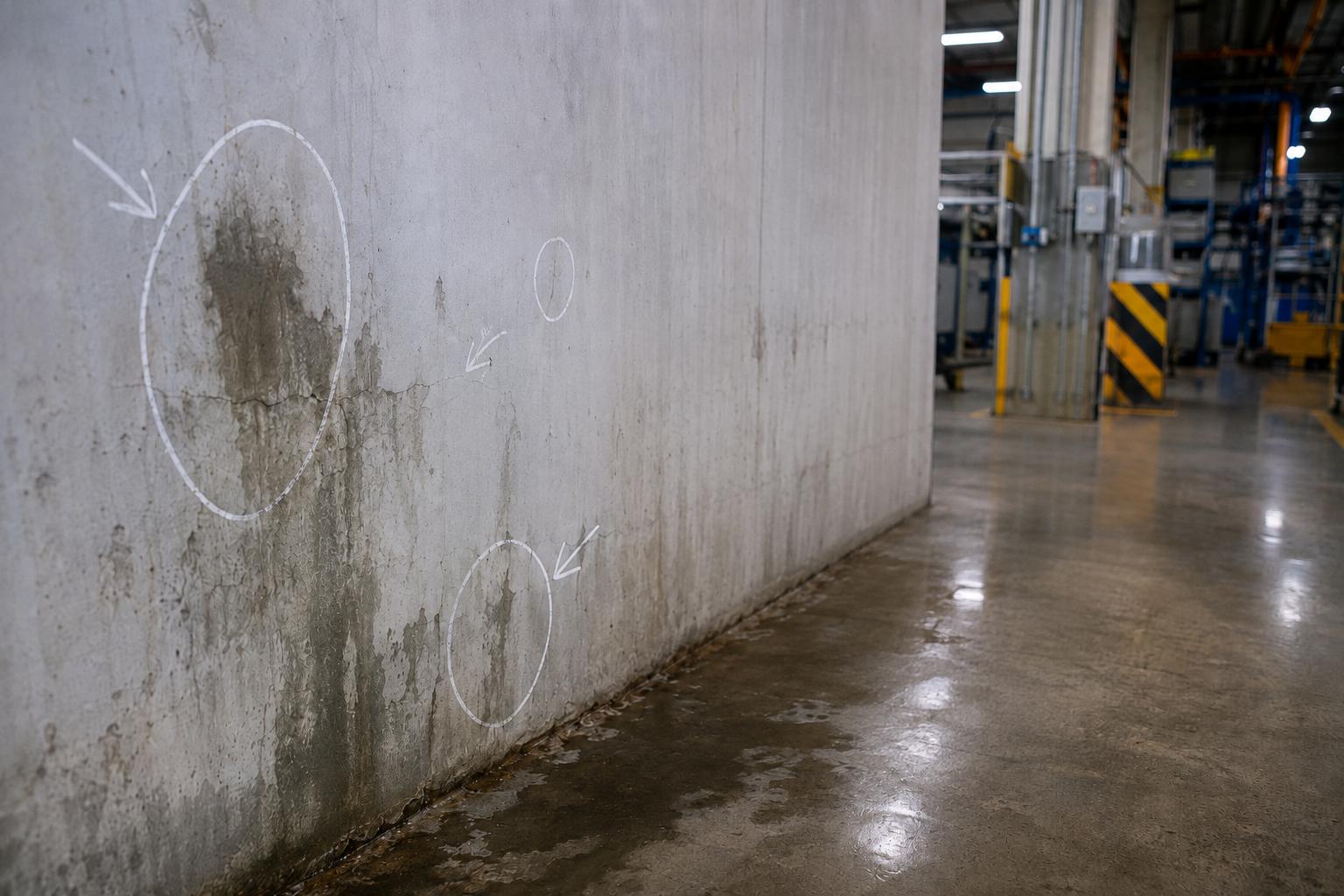
Concrete may look dry and stable on the surface, but it continues to interact with moisture long after it has cured. As excess water from the original mix evaporates during curing, it leaves behind microscopic pathways within the slab. Later on, these pathways allow moisture from the ground to move upward through vapor transmission.
Once a non-breathable coating is installed, moisture becomes trapped beneath the surface, creating an internal vapor pressure. And this pressure can compromise the bond, resulting in issues such as bubbling, blistering, or peeling of the coating.
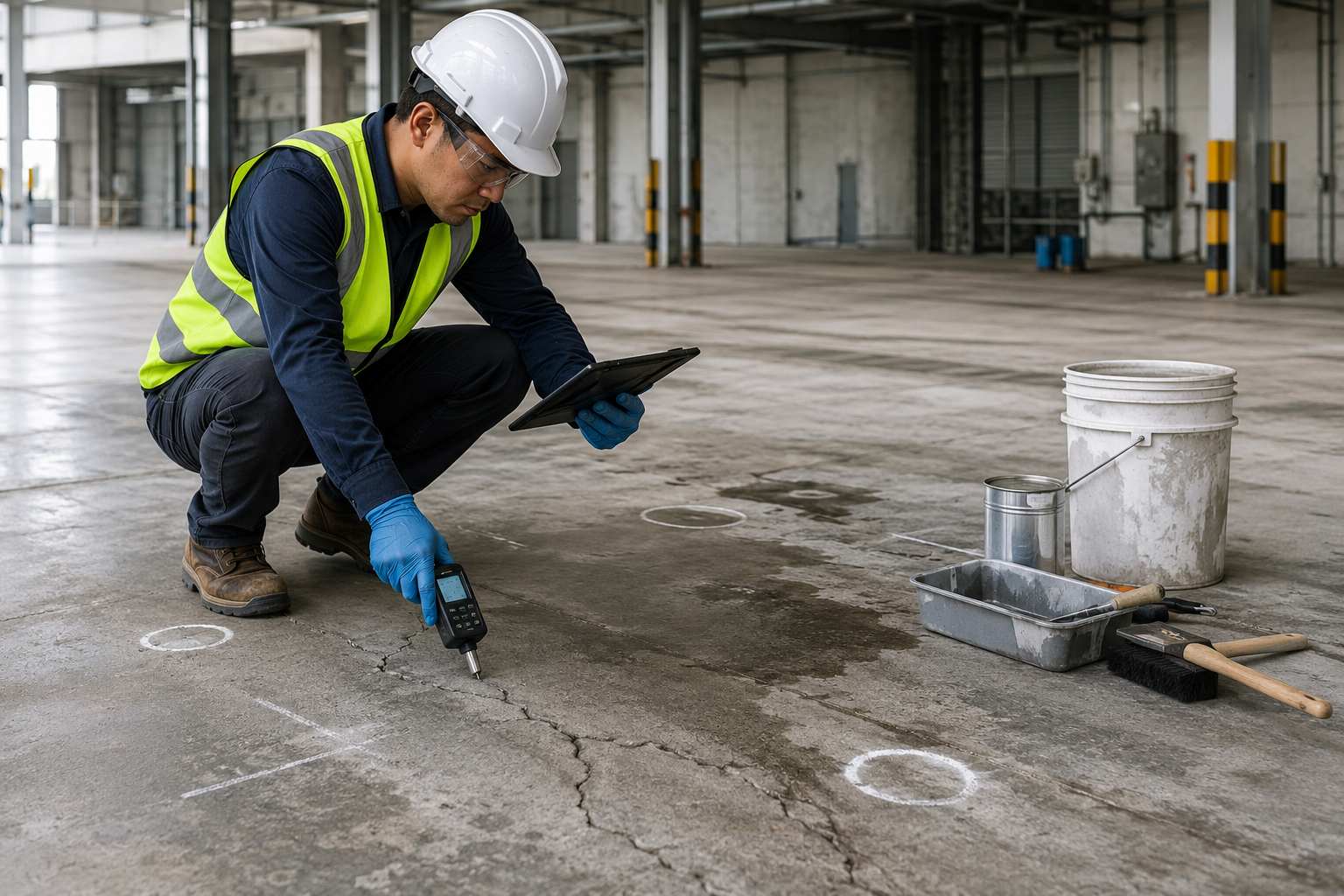
To prevent this, you have to conduct moisture and vapor testing before installing epoxy coating. Tests such as calcium chloride testing (ASTM F1869) can help measure the slab’s emission levels and determine whether it is suitable for the intended flooring system.
Underestimating Thickness Needs
Thin epoxy coatings provide limited protection against abrasion, impact, and concentrated loads, so they are not suitable for installation in facilities with constant traffic or heavy machinery.
To achieve long-term durability, the coating thickness should match the facility’s operational demands. High-traffic commercial spaces are commonly specified at a total thickness of about 10 to 20 mils. Meanwhile, industrial environments may require 20 mils or more, and in heavy-duty service can go much higher to resist continuous traffic, impact, and loads.
For a more accurate specification, Flooring Solutions evaluates your facility’s operating conditions, expected traffic, and load requirements before recommending an epoxy flooring system. So, we can ensure the coating thickness is tailored to your application.
Ignoring UV Exposure
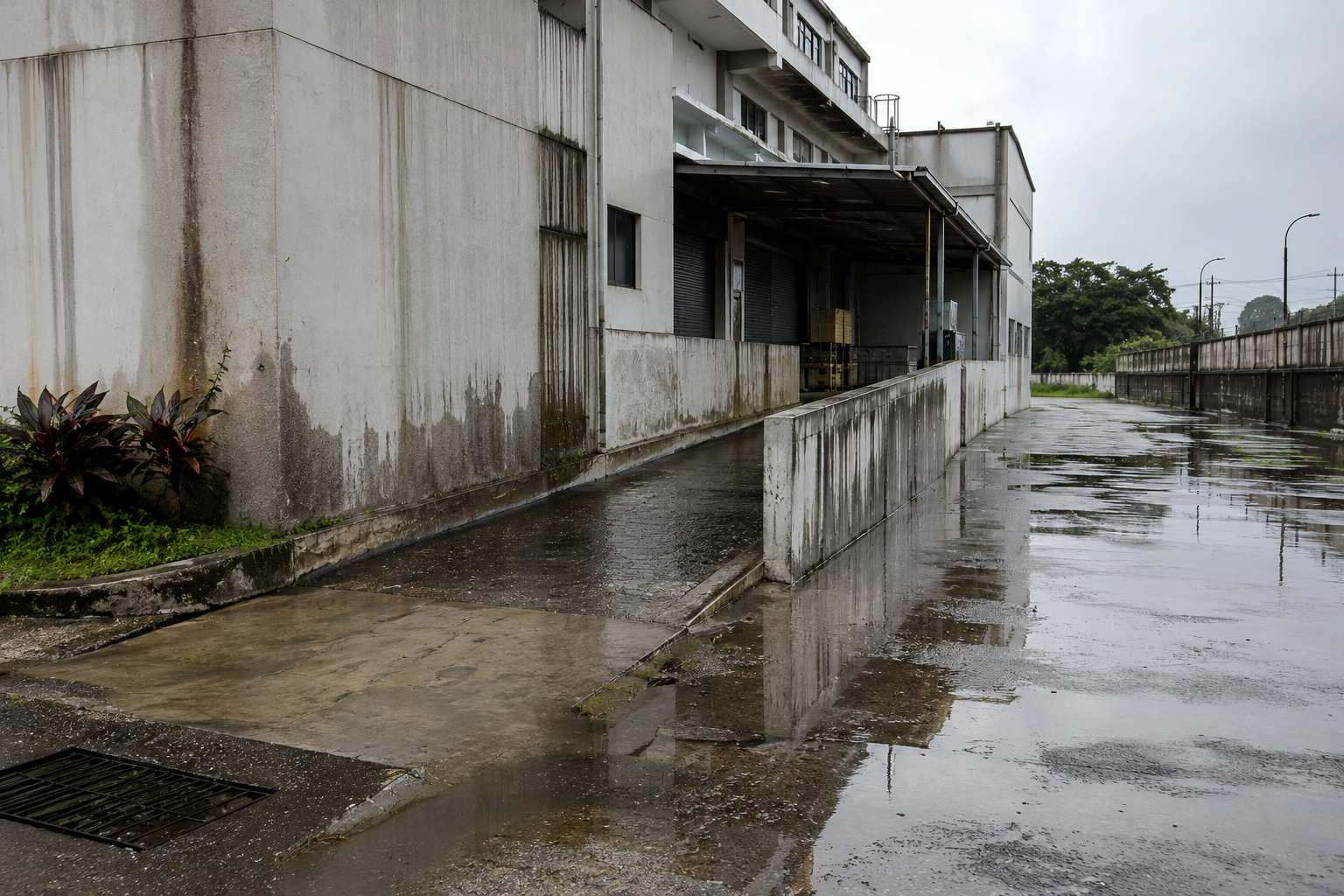
Entryways, loading bays, open-sided warehouses, and semi-outdoor spaces experience environmental conditions that should be considered when selecting a flooring system.
Standard epoxy coatings generally have limited resistance to prolonged UV exposure. Over time, constant sunlight can cause the surface to discolor, chalk, or lose its original gloss. This, in turn, affects the floor’s overall appearance and can even increase maintenance.
So, flooring specifications should be adjusted for areas exposed to regular sunlight. Use a UV-stable topcoat, such as a polyurethane-based finish, where color stability and outdoor exposure matter. With this additional layer, you can preserve the flooring finish and provide long-term UV protection.
Using Substandard or Imitation Products
If the epoxy product itself fails to meet recognized manufacturing standards, the flooring system may struggle to deliver the durability and reliability expected in commercial or industrial environments.
Choosing lower-cost or unregulated epoxy products may reduce upfront expenses, but it often comes at the cost of long-term performance. Inferior formulations typically contain lower resin content and weaker bonding. In facilities with vehicle traffic, they become more susceptible to “hot tire pickup”, where heat from vehicle tires softens the coating and causes it to peel away.
Investing in high-quality epoxy coatings from reputable manufacturers or authorized suppliers can help you avoid such consequences. Moreover, properly formulated products are designed for stronger adhesion.
Incorrect Formulation for Business Use
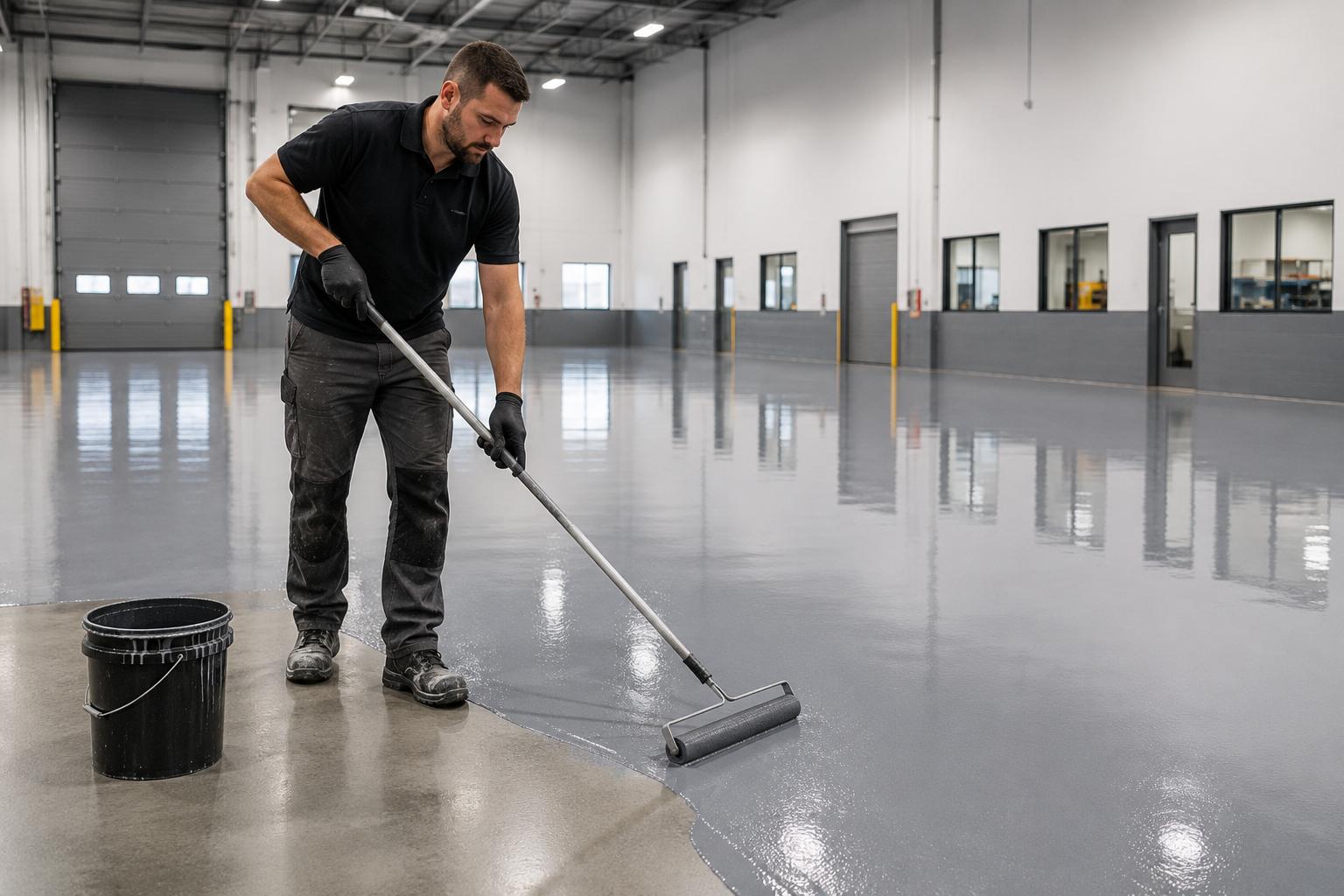
A high-quality coating may not perform as expected if its formulation is not suited to the environment where it will be used. Different industries have unique operational requirements, and a flooring system designed for one application may not be applicable to others.
Rather than offering a one-size-fits-all solution, Flooring Solutions provides a range of epoxy flooring systems designed for different commercial and industrial applications. For example, our self-leveling epoxy is USDA/FDA-compliant, which makes it ideal for laboratories and cleanrooms.
Meanwhile, our mortar epoxy is engineered for heavy-duty industrial environments where flooring must withstand constant heavy machinery traffic, impacts, and substantial loads.
Key Takeaway
The common mistakes businesses make when choosing epoxy coating often stem from overlooking factors that affect long-term flooring performance. With Flooring Solutions, you can access epoxy flooring systems tailored to your industry’s specific needs, helping you achieve a durable and reliable flooring solution.
Contact our experts today to discuss your project requirements.