Which Epoxy Flooring Solutions Are Best for Large-Scale Industrial Projects?
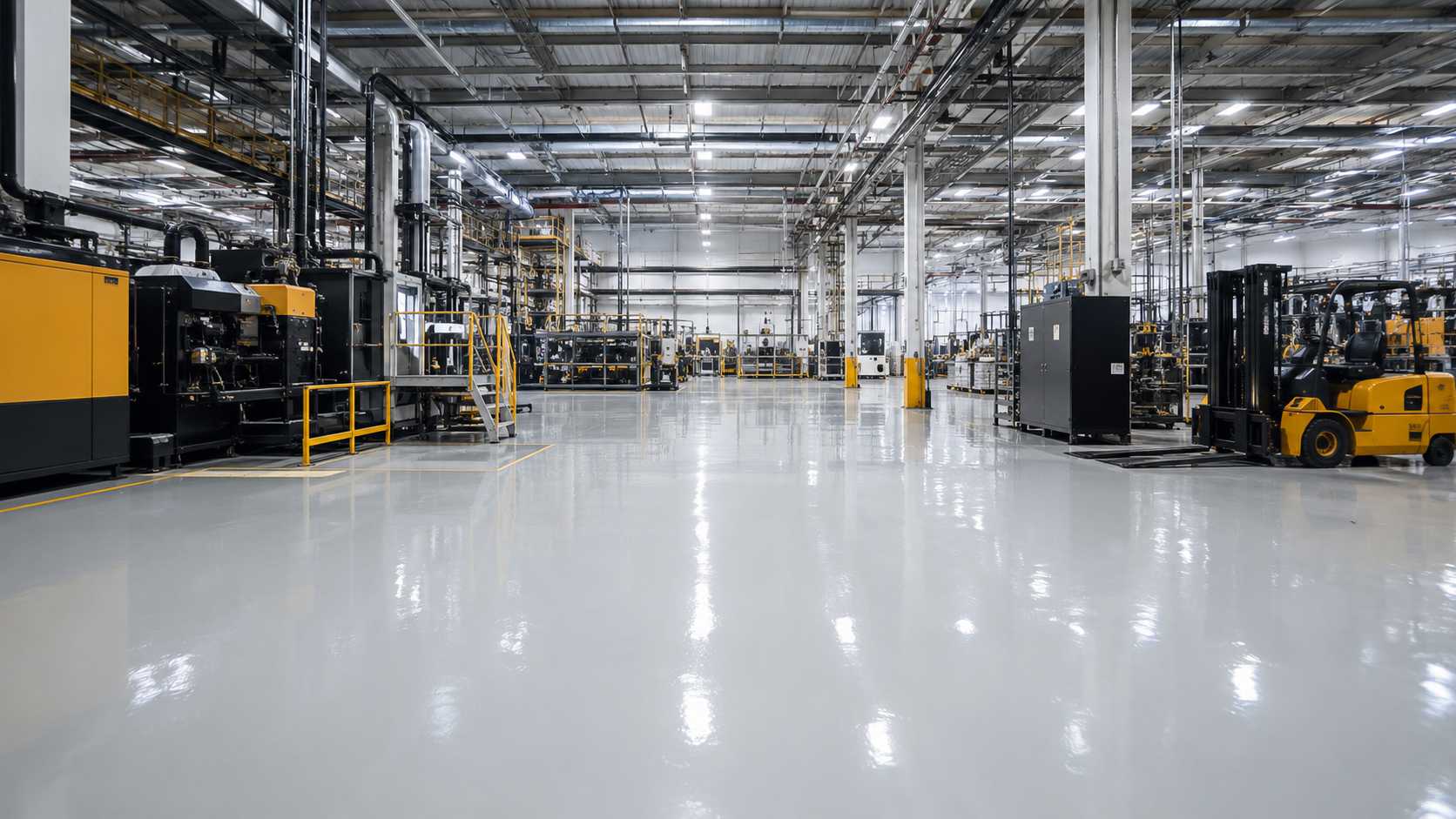
Overview
- Epoxy flooring systems for large-scale projects include self-leveling epoxy, epoxy mortar, and quartz-filled epoxy, each designed for specific industrial requirements such as surface uniformity, structural repair, and slip resistance.
- These systems are applied across environments with varying mechanical, chemical, and operational demands.
Large-scale industrial environments operate under constant structural and mechanical stress, where flooring systems must withstand heavy loads, chemical exposure, and continuous traffic. Every decision you make carries long-term implications for safety, efficiency, maintenance planning, and overall facility performance.
Before any material is finalized, you’re typically evaluating multiple technical variables at once. In many cases, it’s not just about choosing a durable material; it’s about selecting a flooring system that aligns with engineering specifications and long-term operational demands.
So, when asking which epoxy flooring solutions are best for large-scale projects, the answer depends on how well each system reliably meets both performance expectations and your facility’s environmental conditions.
Best Systems for Large-Scale Facilities
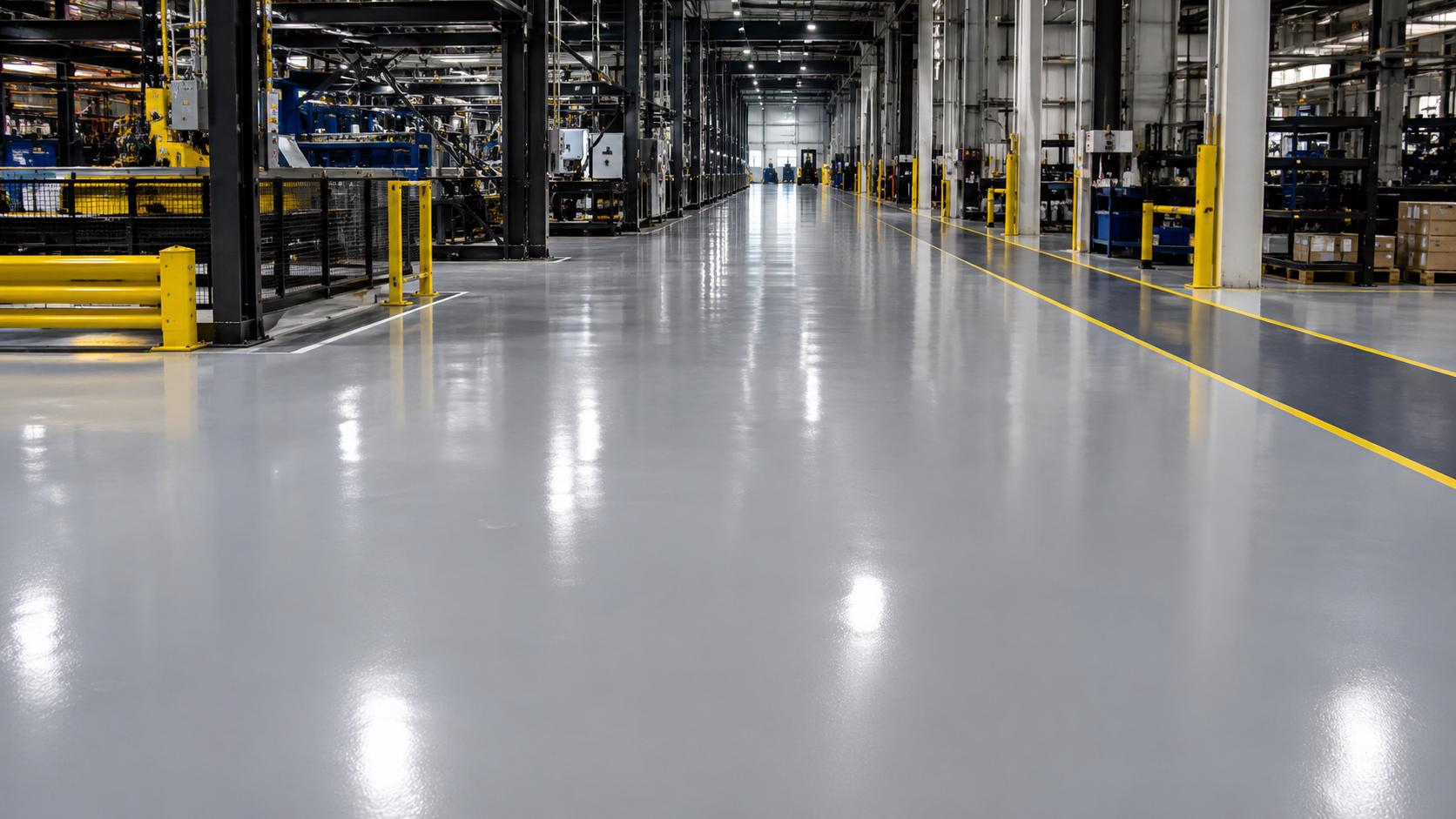
Epoxy flooring systems used in large-scale facilities are typically categorized by their performance under varying levels of mechanical stress, surface conditions, and environmental exposure. Rather than applying a one-size-fits-all solution, each system is designed with a specific performance profile, making it suitable for particular industrial applications.
Self-Leveling Epoxy
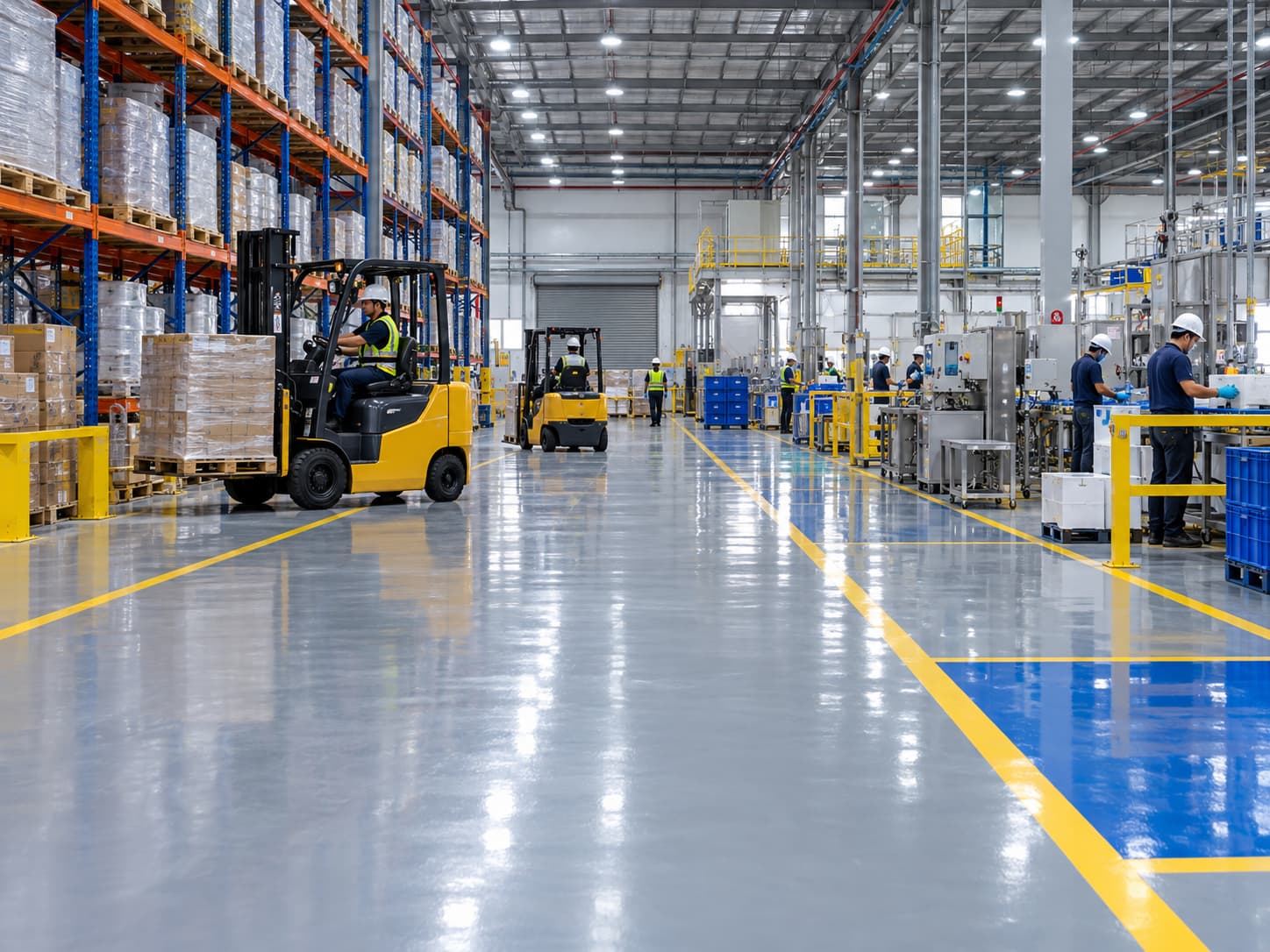
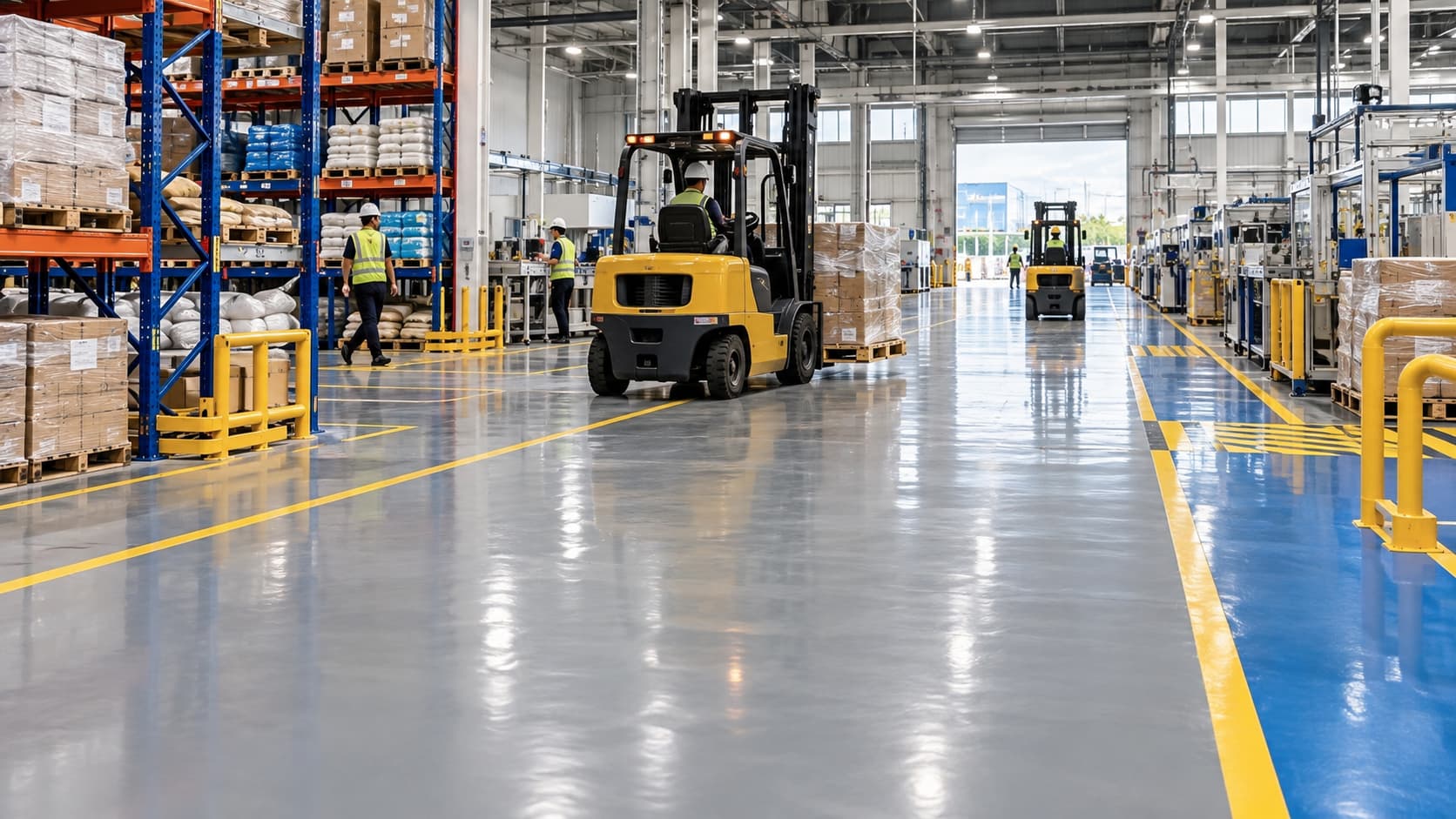
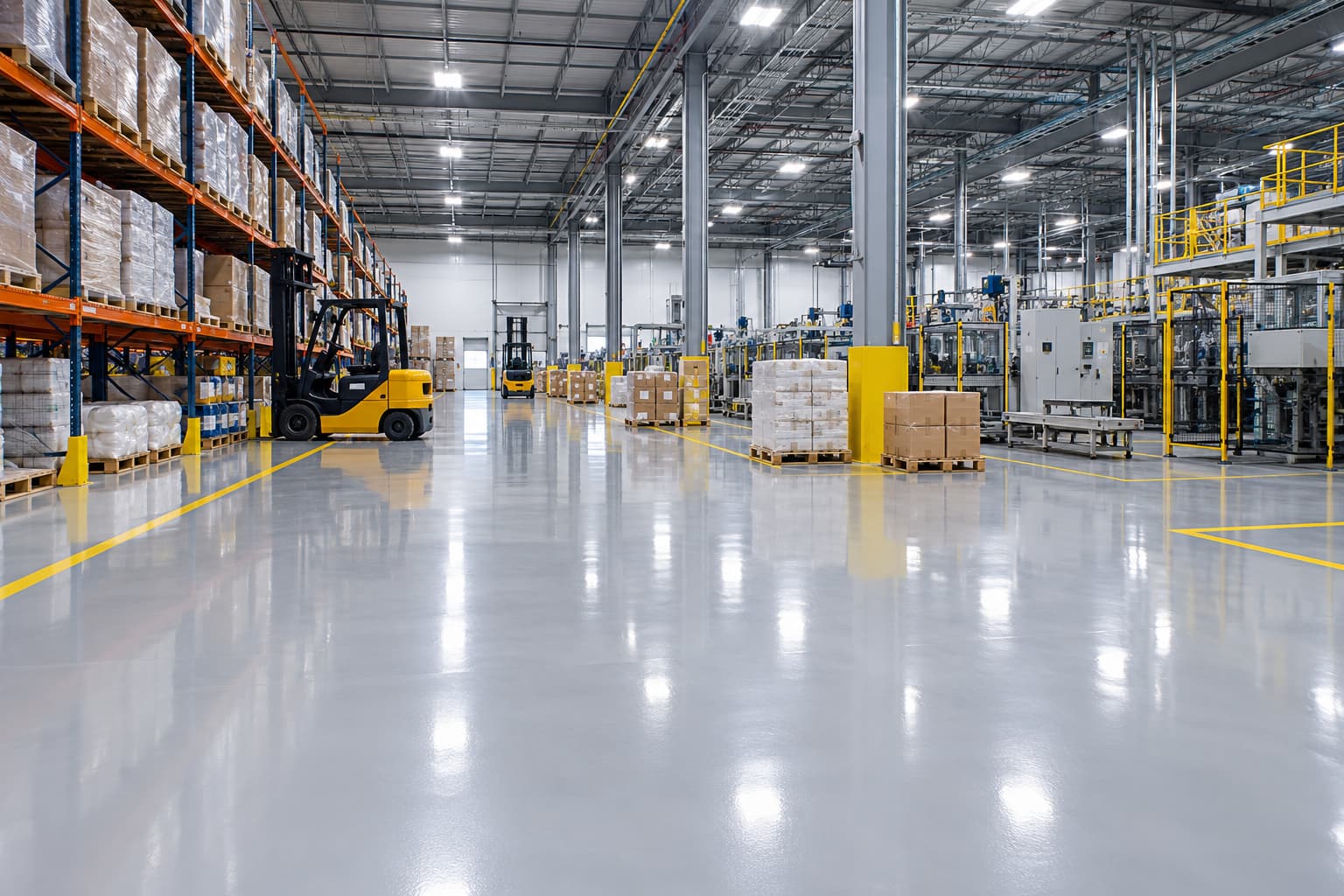
Self-leveling epoxy is designed to spread fluidly across concrete substrates, automatically filling in cracks and surface imperfections to create a smooth, flat, and seamless finish. This system is particularly critical in environments such as heavy-traffic industrial areas and hygienic facilities like pharmaceutical production spaces, where floor integrity directly impacts safety and compliance. In high-demand production zones, self-leveling epoxy delivers strong resistance against impacts, abrasions, and chemical spills.
Epoxy Mortar
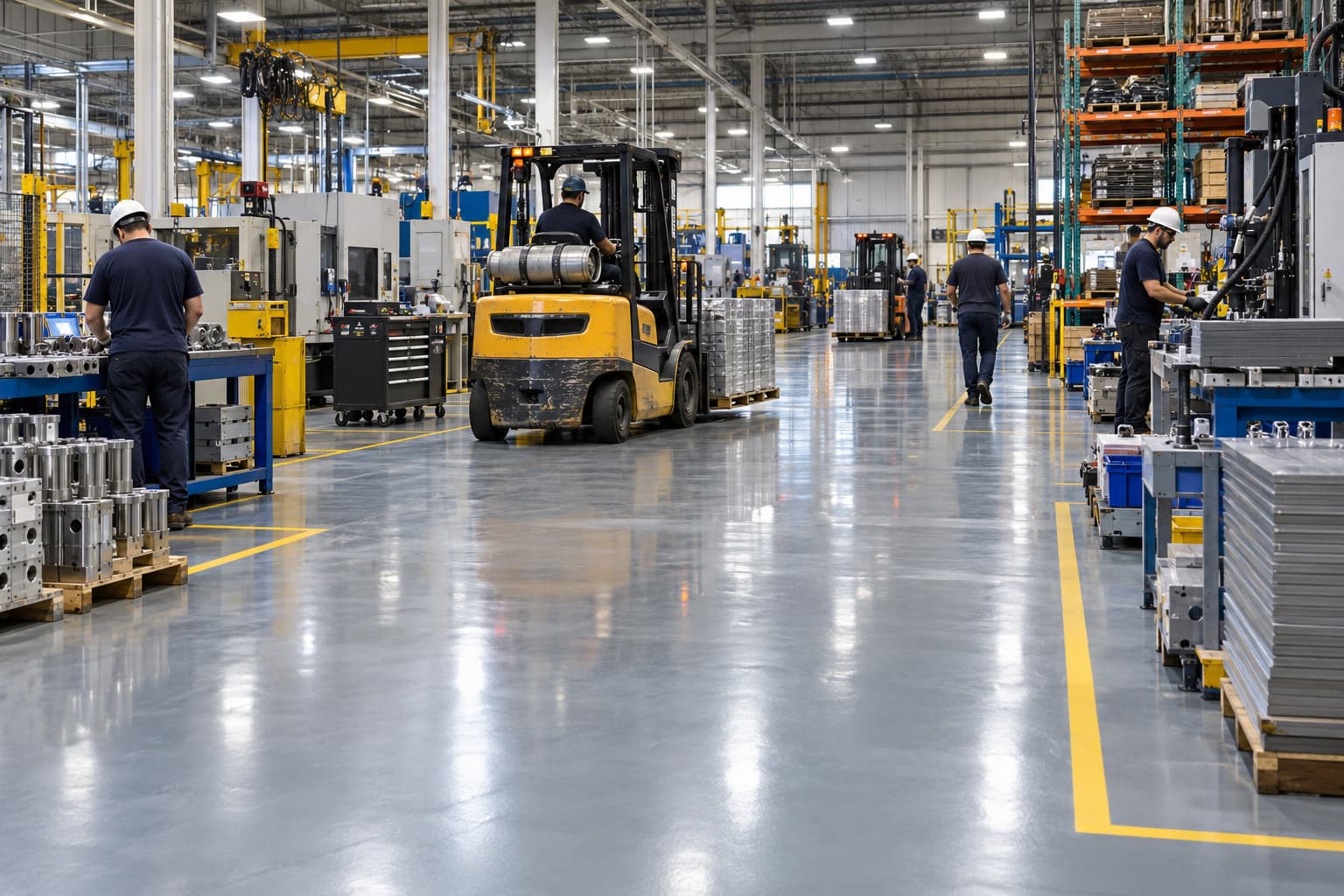
At its core, epoxy mortar is considered a heavy-duty repair solution, formed by combining epoxy resin with specially graded, oven-dried sand. In heavy manufacturing facilities, epoxy mortar systems are used in zones exposed to constant traffic, impact, and mechanical stress. These are typically applied as multi-layer systems with a primer for adhesion, a reinforced base for strength, and a protective topcoat for long-term durability.
Quartz-Filled Epoxy
Quartz-filled epoxy systems are engineered by combining epoxy resin with finely graded quartz granules, creating a controlled textured surface that enhances performance in demanding industrial environments. Unlike smooth or repair-focused systems, this formulation is designed to improve surface grip through an intentionally roughened finish. In food and beverage facilities and commercial kitchens, quartz-filled epoxy forms a seamless, non-porous surface that helps prevent bacterial buildup and allows for easy cleaning.
Key Factors for Massive Projects
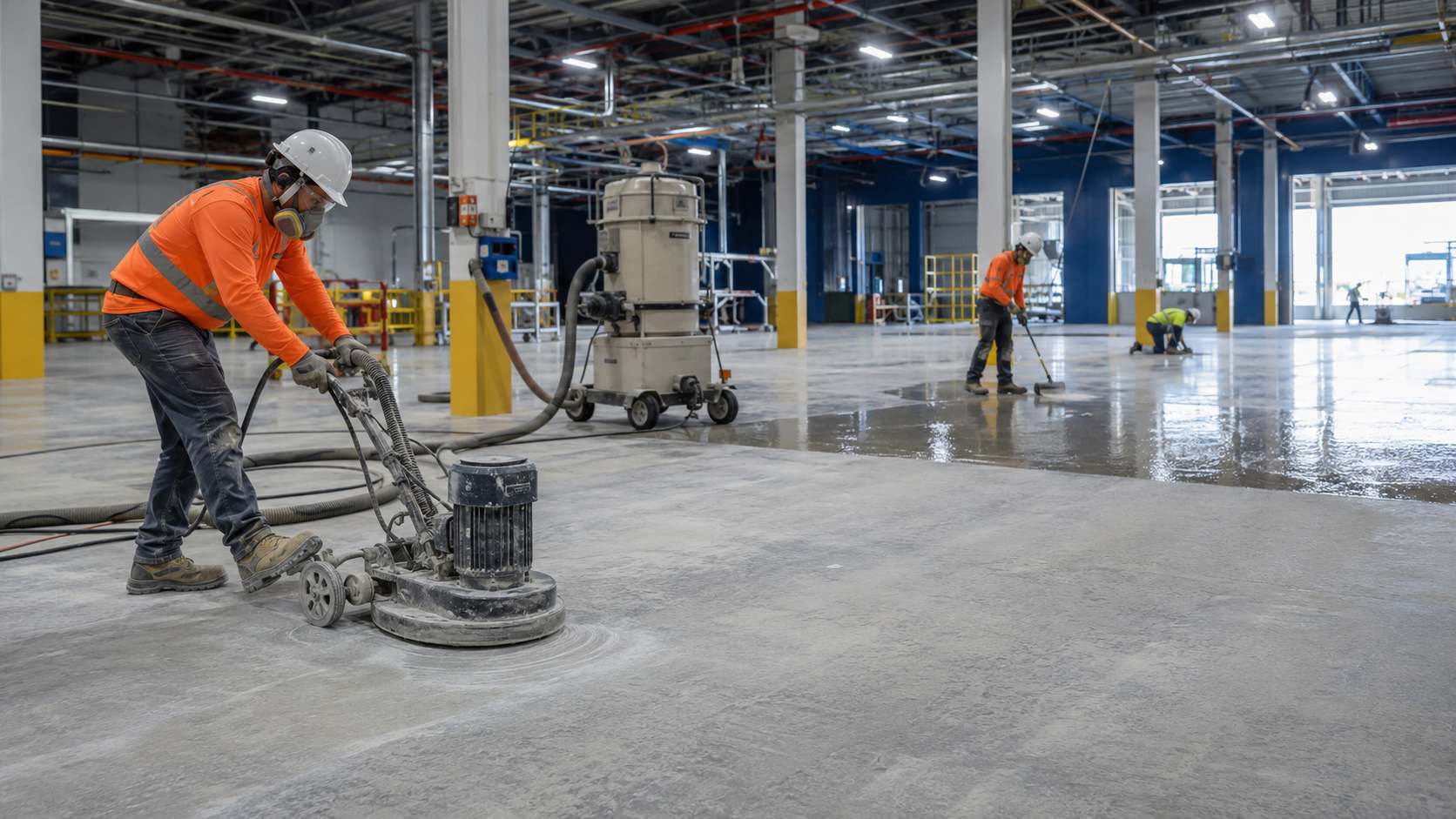
When it comes to large-scale flooring installations, performance doesn’t depend on the system alone. It’s also shaped by on-site conditions and by how well the groundwork is prepared before installation begins. These factors play a major role in how the flooring system performs over time, especially in terms of durability, stability, and overall reliability.
Substrate Preparation
To achieve proper performance, the concrete surface must be clean, dry, and structurally sound. Steel shot blasting is commonly used to remove contaminants and profile the concrete surface to improve adhesion. In contrast, diamond grinding is often used on older floors or in areas with existing coatings to prepare and level the substrate before proper installation.
Moisture Mitigation
Concrete is porous and can release moisture vapor over time. When this vapor becomes trapped beneath an epoxy coating, it can build up pressure, leading to bubbling, cracking, peeling, and delamination. To prevent this, a moisture vapor barrier (MVB) or specialized epoxy primer is applied to seal the concrete and block vapor transmission, protecting the long-term integrity of the flooring system.
Turnaround and Curing Time
Standard epoxy floor coatings typically require a considerable curing period before they can fully withstand heavy traffic and operational loads. Some fast-cure epoxy systems, such as Methyl Methacrylate (MMA) systems, offer significantly shorter curing times, often curing within 1–2 hours compared to the 12–24 hours required by standard epoxy systems.
Start Your Large-Scale Flooring Project with Flooring Solutions
As a leading resin flooring expert, we provide a wide range of epoxy flooring systems, including self-leveling epoxy, epoxy coating, epoxy mortar, and high-build epoxy systems. These solutions are designed to cater to different industrial applications and performance requirements.
We also offer full-service support, from specification through repairs and maintenance, ensuring a complete, properly executed flooring solution from start to finish. With easy-to-clean, high-gloss finishes and minimal maintenance requirements, our epoxy flooring systems are built to deliver both operational efficiency and long-term durability for demanding facilities.
Key Takeaway
Choosing the right epoxy flooring system for large-scale projects goes beyond surface durability—it requires aligning performance with real operational demands. From self-leveling epoxy for seamless finishes to epoxy mortar for structural repair and quartz-filled epoxy for enhanced slip resistance, each system serves a distinct industrial function.
At Flooring Solutions, we provide end-to-end expertise, from design and specification to installation and maintenance, to ensure you get the right system.
You may reach out to our team to discuss your project requirements and get expert guidance tailored to your operational needs.