Is Epoxy Resin Truly Waterproof?
Overview
- Fully cured epoxy resin forms a dense, non-porous surface that resists water penetration and helps protect the underlying concrete.
- Although epoxy can withstand routine water exposure, it cannot replace flexible waterproofing membranes or systems designed for high hydrostatic pressure. Its water resistance depends on proper curing, coating condition, and the formulation used for the intended application.
- Flooring Solutions PH offers a range of epoxy flooring systems for commercial and industrial construction projects across the Philippines.
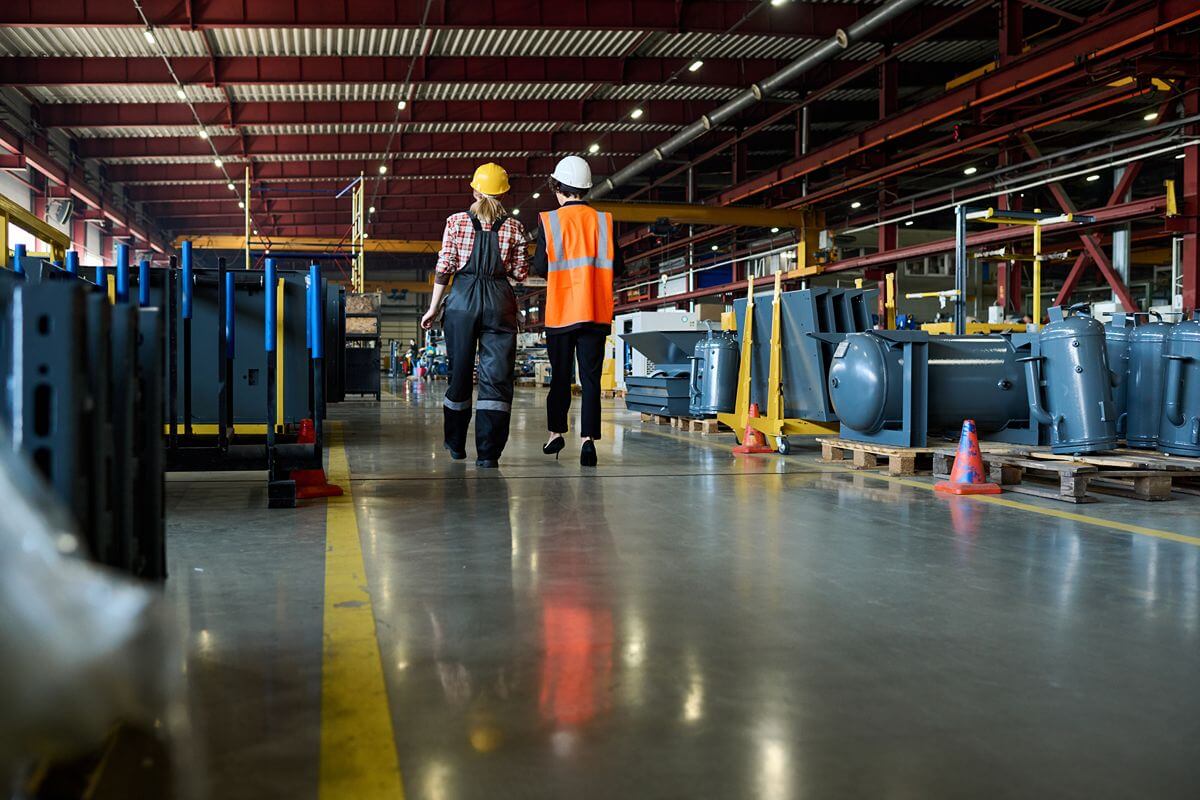
Epoxy resin has earned itself a strong reputation as a reliable flooring solution, seeing continuous use across a wide range of demanding construction projects. Its protective properties make it a practical choice for areas that need a hard-wearing surface. However, like any other solution, it still has its limitations. One common assumption is that it’s ideal for water-based operations. But is epoxy resin truly waterproof?
To answer this, it’s important to look at how epoxy protects a surface from water and what happens when exposure exceeds its capabilities. The following distinctions help construction teams determine where epoxy flooring can provide adequate water protection and where a dedicated waterproofing system might be necessary:
How Epoxy Behaves with Water
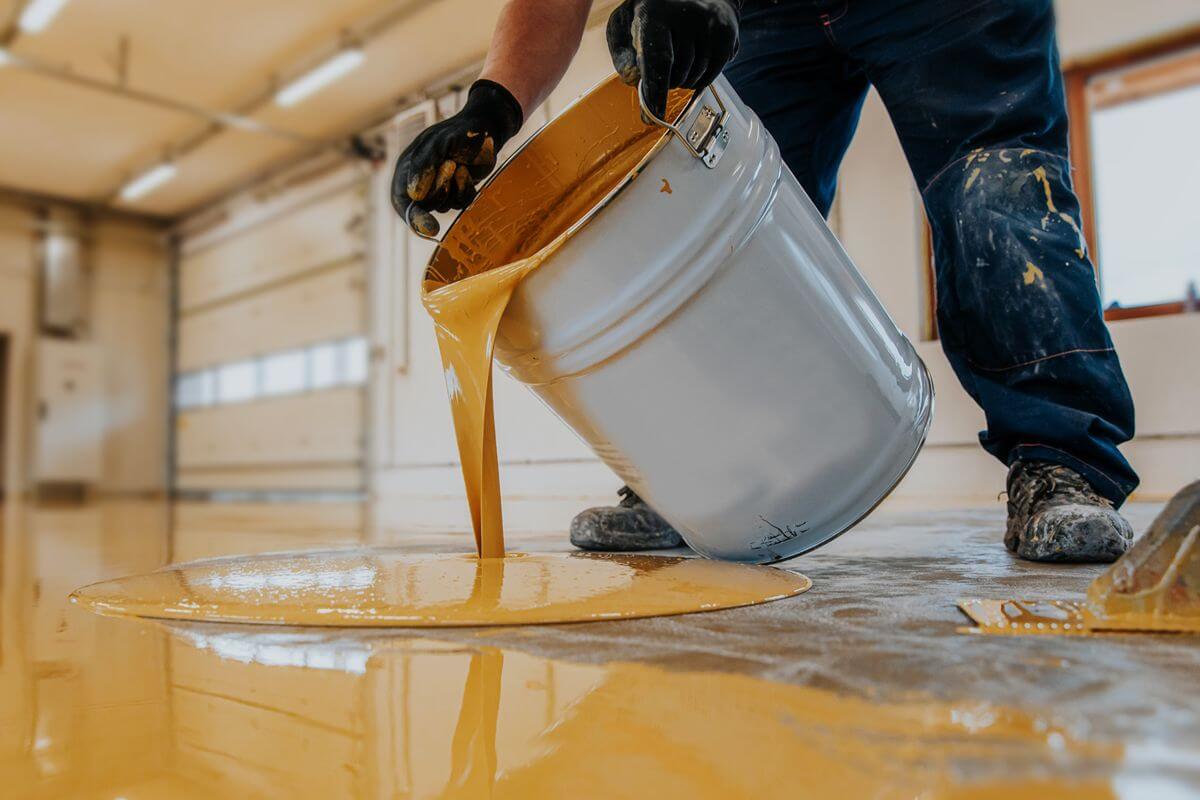
Epoxy resin can provide effective water resistance once it has fully cured. However, its ability to withstand water depends on the condition of the coating, the application process, and the formulation used.
Surface Seal
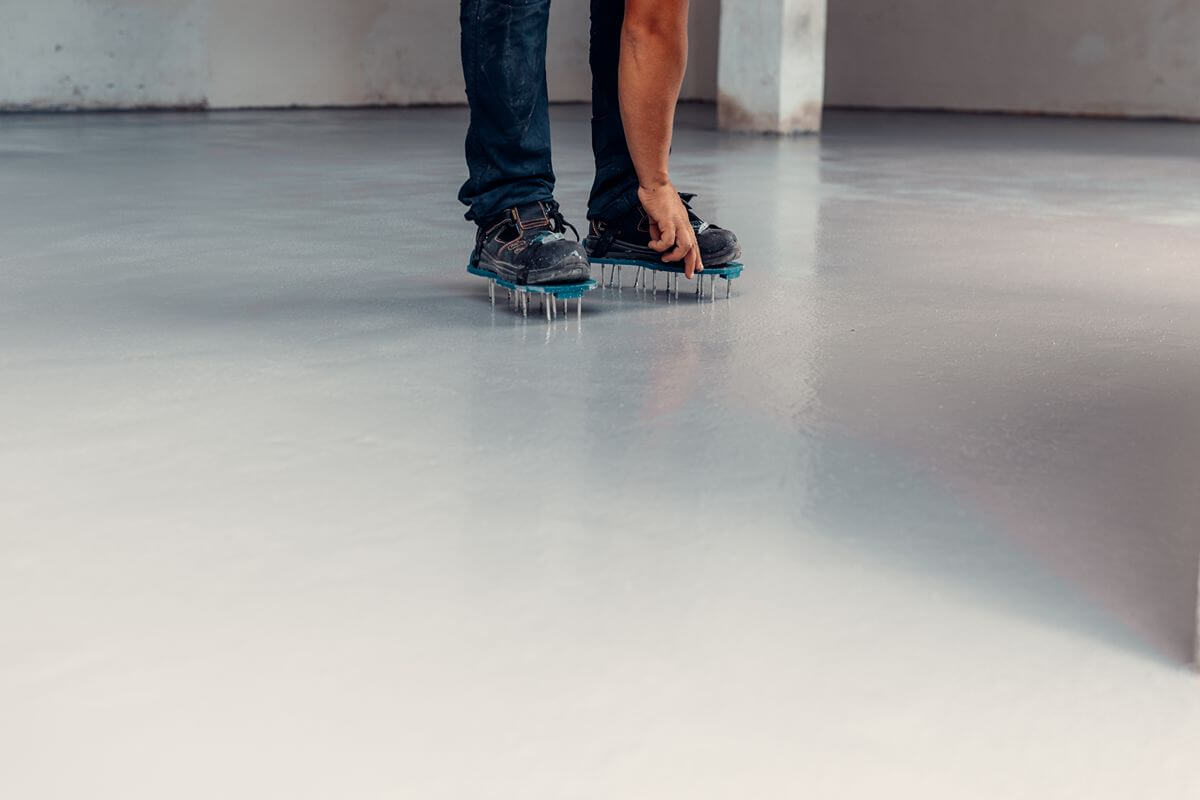
Once fully cured, epoxy forms a non-porous surface that prevents liquid water from readily passing through the coating. When water lands on an intact epoxy floor, it generally remains on the surface, where it can be removed through routine cleaning or drainage. This barrier also limits moisture absorption by the concrete beneath the coating.
However, water resistance does not mean the floor is completely impervious under every condition. If the coating develops cracks, chips, or gaps, water can reach the concrete through these damaged areas. The protective barrier becomes less effective, especially when moisture remains trapped beneath the coating.
Curing Sensitivity
Epoxy does not have the same water resistance before and after curing. During its application, the moisture on the concrete or direct contact with water can interfere with the resin’s chemical reaction, as well as its ability to bond properly to the substrate. This can result in surface defects that lead to poor adhesion or improper curing.
After the epoxy has fully hardened, its resistance to water improves significantly. This is why newly applied flooring must remain protected from moisture until it reaches the manufacturer’s specified curing stage. Exposing the coating to water too early can compromise the protective surface that’s meant to prevent defects.
Specialized Formulas
Epoxy formulations differ in how well they withstand prolonged exposure to water. For example, standard flooring coatings can resist routine splashes and cleaning but may not be able to handle harsh chemicals for long periods. Meanwhile, specialized solutions may be formulated to handle more sustained contact with moisture and even withstand special operating conditions, such as chemical industrial processes.
If projects involve frequent washdowns or continuous water exposure, selecting a dedicated formulation is critical. Systems designed for general flooring might not provide the same level of protection as one created for wet environments. The product’s technical specifications must establish the exact conditions it can reliably withstand.
Limitations (When Not to Use Epoxy)
Although epoxy provides effective resistance against water, it cannot replace every type of waterproofing system. Construction professionals still need to consider the source of moisture and the pressure it places on the flooring before they specify epoxy for their project.
Not a Flexible Waterproof Membrane
Epoxy forms a hard, rigid coating that cannot always accommodate significant movement in the surface. When concrete expands or develops cracks, the coating may also separate, creating openings that allow water to seep through. This limits its suitability for areas that need a flexible membrane to accommodate structural movement.
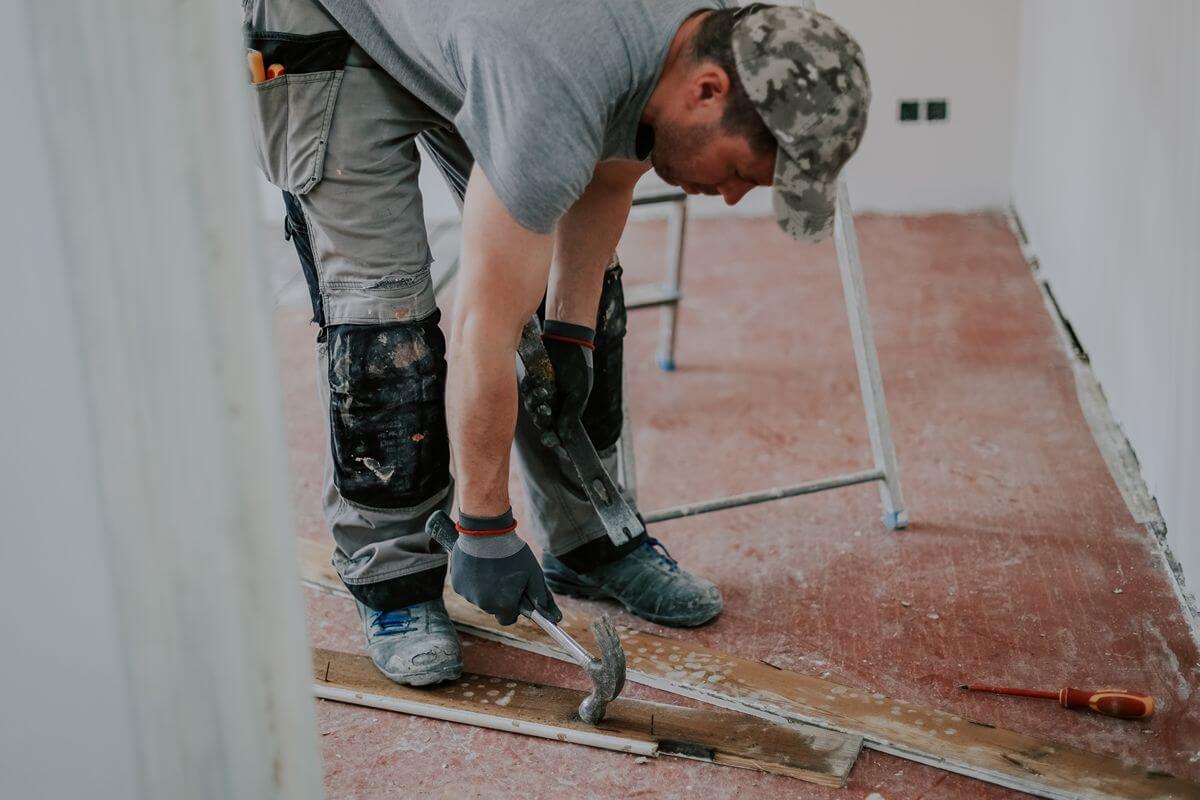
Epoxy can still serve as a protective floor coating when the concrete substrate is stable, and the risk of movement is low. For these conditions, it can provide a durable, water-resistant surface that protects the concrete from routine moisture exposure. Projects that require movement accommodation should use a compatible flexible membrane beneath the epoxy flooring system.
Not For High Hydrostatic Pressure
Water pressure from beneath a concrete slab can compromise an epoxy coating by forcing moisture through the substrate and toward the bond between the coating and the floor. This condition, known as hydrostatic pressure, can cause blistering or delamination as water pushes against the coating. If teams use standard flooring, it cannot reliably function as a barrier against sustained water pressure from below.
However, epoxy may remain suitable for floors where groundwater pressure is not present. When moisture levels fall within its specified limits, the coating can still protect the surface against spills and ordinary water exposure. It also helps to address the underlying moisture source before finalizing the decision to use epoxy.
Where to Find Epoxy Resin For Construction Projects in the Philippines
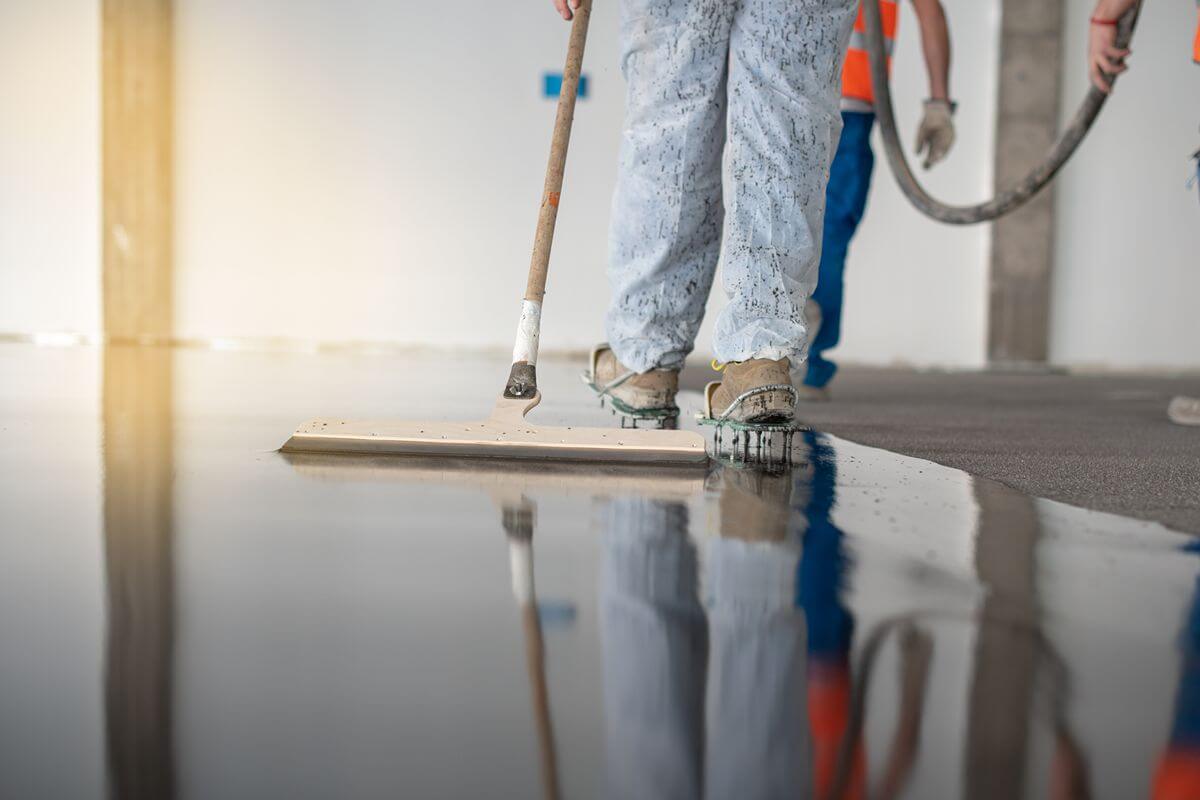
Flooring Solutions PH supplies high-performance epoxy flooring systems for commercial and industrial construction across the Philippines. Backed by over 17 years of industry experience, our team delivers complete technical guidance from initial product specification through installation.
Our durable epoxy resin flooring solutions include:
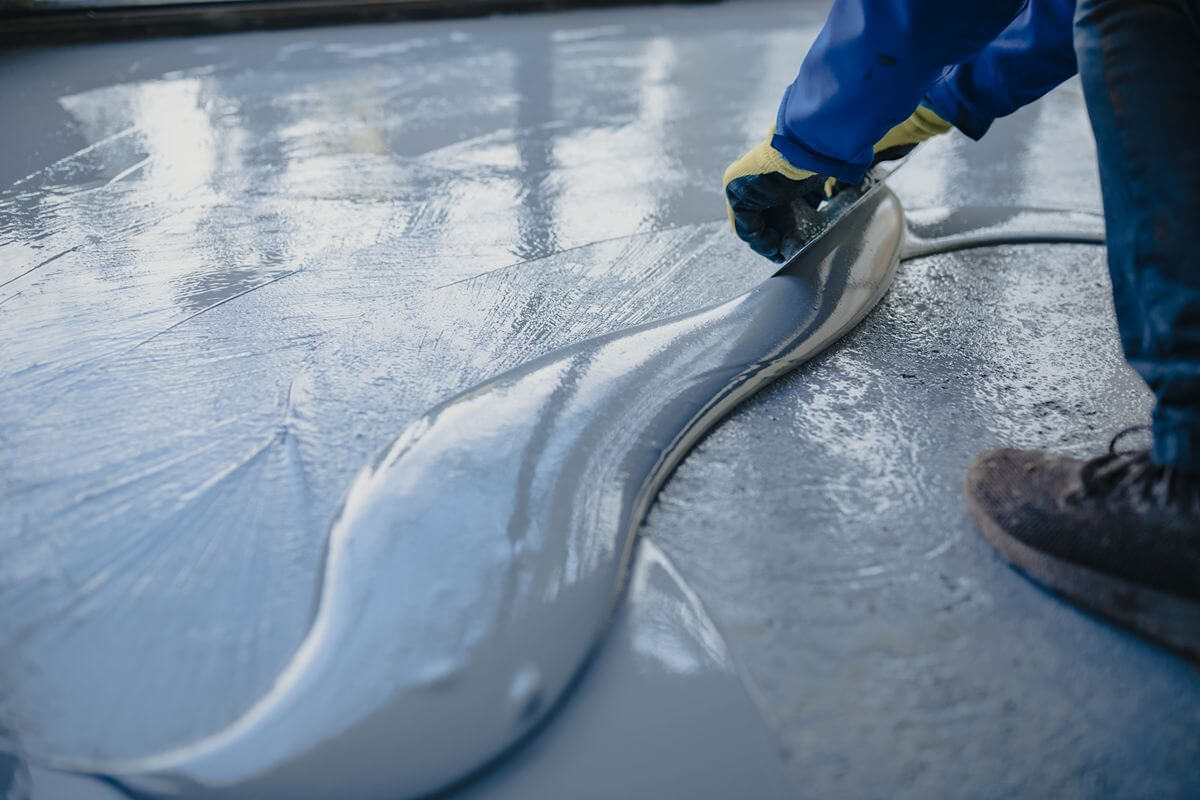
- Self-Levelling Epoxy: Creates a seamless surface with its self-smoothing properties to save on time and labor
- Epoxy Coating System: A single-color epoxy floor coating used in areas with light to medium activity levels
- Epoxy Mortar System: Used to repair structural damage and correct uneven flooring
- High-Build Epoxy System: Provides a thicker protective coating with formulations that achieve substantial film thickness in one application
Key Takeaway
So, is epoxy resin waterproof? Fully cured epoxy creates a dense, water-resistant surface that prevents moisture from penetrating the concrete. Although it has limitations under certain exposure conditions, its protective properties make it a reliable flooring option for many commercial and industrial applications.
Choosing the right epoxy system allows construction professionals to get the most out of its water-resistant properties. Flooring Solutions PH provides a range of epoxy solutions to help you find the most suitable flooring system for your construction project. Contact us today and discover appropriate flooring options to enhance your project’s overall durability.