How Floor Coatings Can Help You Mitigate Flood Damage
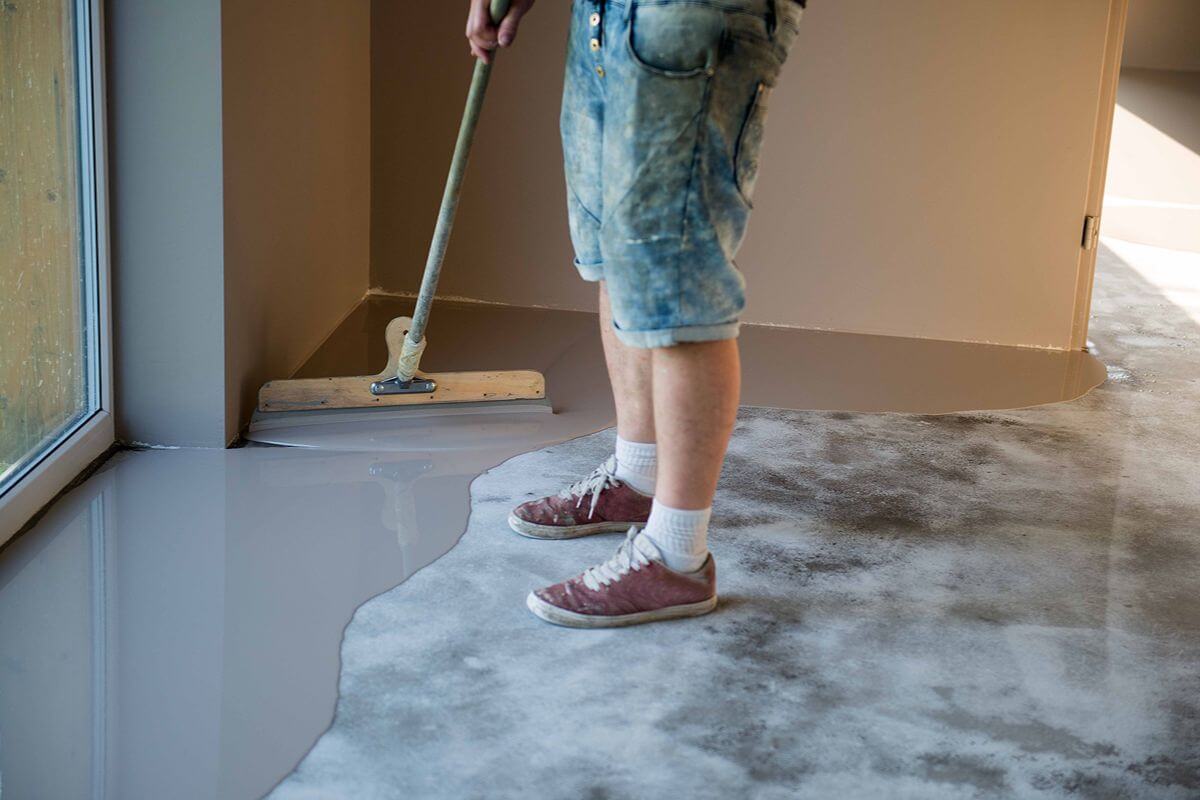
How do floor coatings help mitigate flood damage?
- Seals pores and cracks
- Prevents water seepage from below
- Enhances slip resistance
- Protects lower wall seams
- Stops mold, mildew, and bacterial growth
Overview
- Resin floor coatings safeguard flood-prone concrete slabs by limiting moisture damage and eliminating crevices where silt and contaminants trap.
- Their non-porous surface makes post-flood sanitation faster and more thorough.
- With over 17 years of experience, Flooring Solutions PH supplies tailored resin flooring and waterproofing solutions for commercial and industrial facilities.
The problem with flooding does not end when the water recedes. Floors in public buildings and institutional facilities can suffer lasting deterioration after prolonged water exposure, resulting in costly repairs and delays in resuming normal operations. For infrastructure in flood-prone areas, even a single event can compromise facility conditions and disrupt essential public services.
This is where floor coatings can make a difference. Properly selected coatings create a protective layer over concrete, helping limit moisture penetration and surface deterioration. Knowing how floor coatings help mitigate flood damage can help facility planners choose solutions that support faster facility recovery.
Here’s what to consider when selecting waterproofing systems for flood-prone facilities.
Seals Pores and Cracks
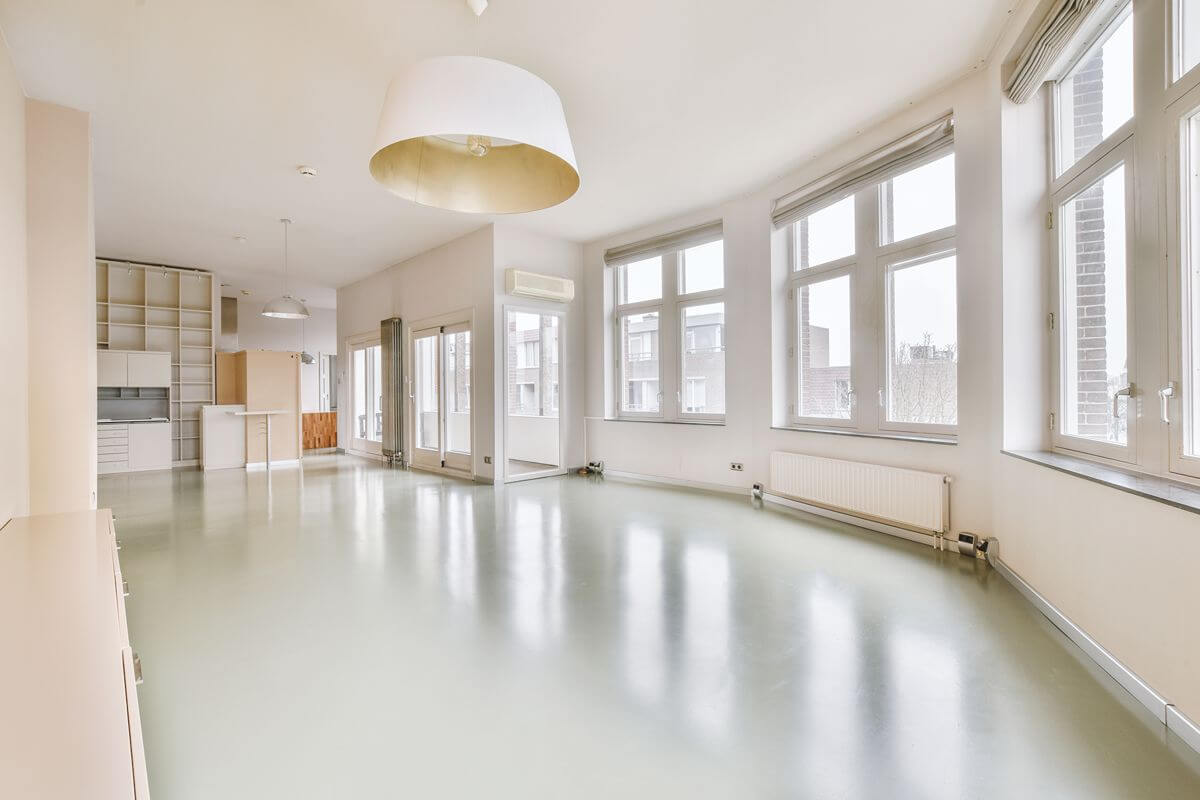
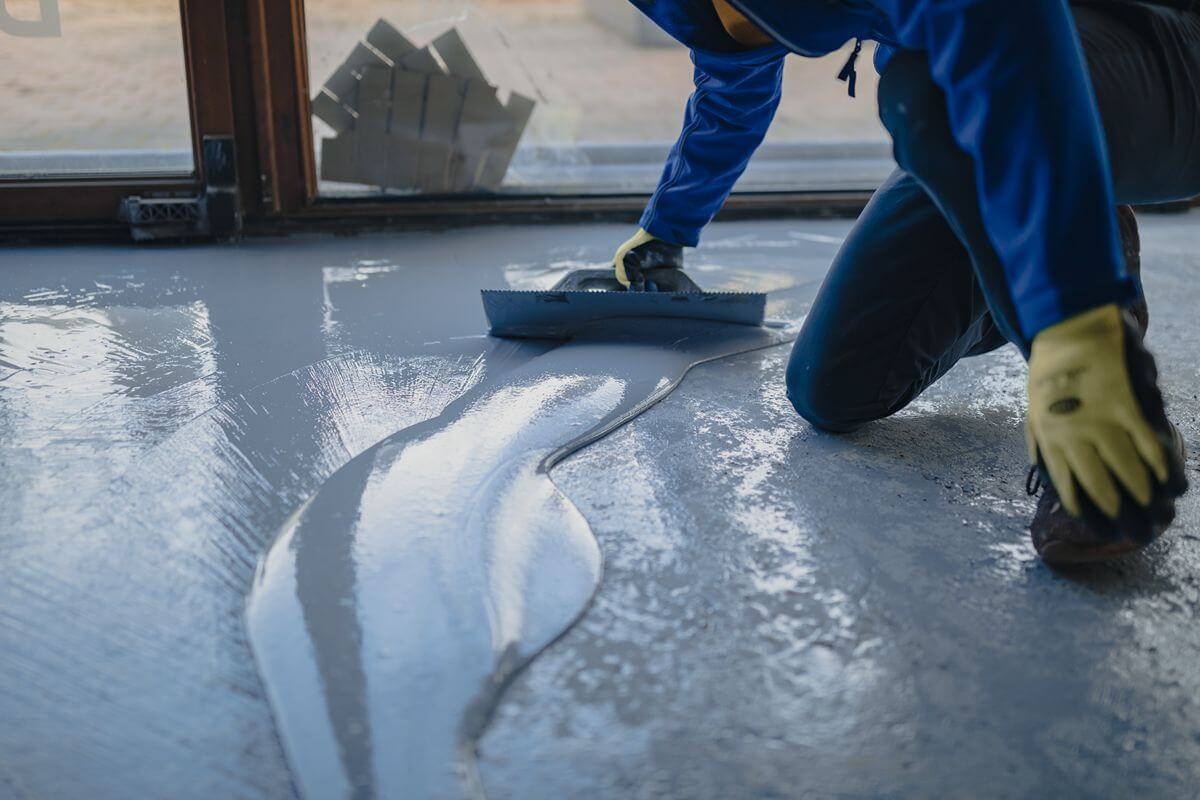
Protective floor coatings seal the porous surface of concrete and limit the amount of water it absorbs. During flooding, untreated concrete can take in standing water and contaminants, allowing moisture to penetrate deeper into the slab. This exposure can contribute to surface deterioration and make post-flood cleaning more difficult.
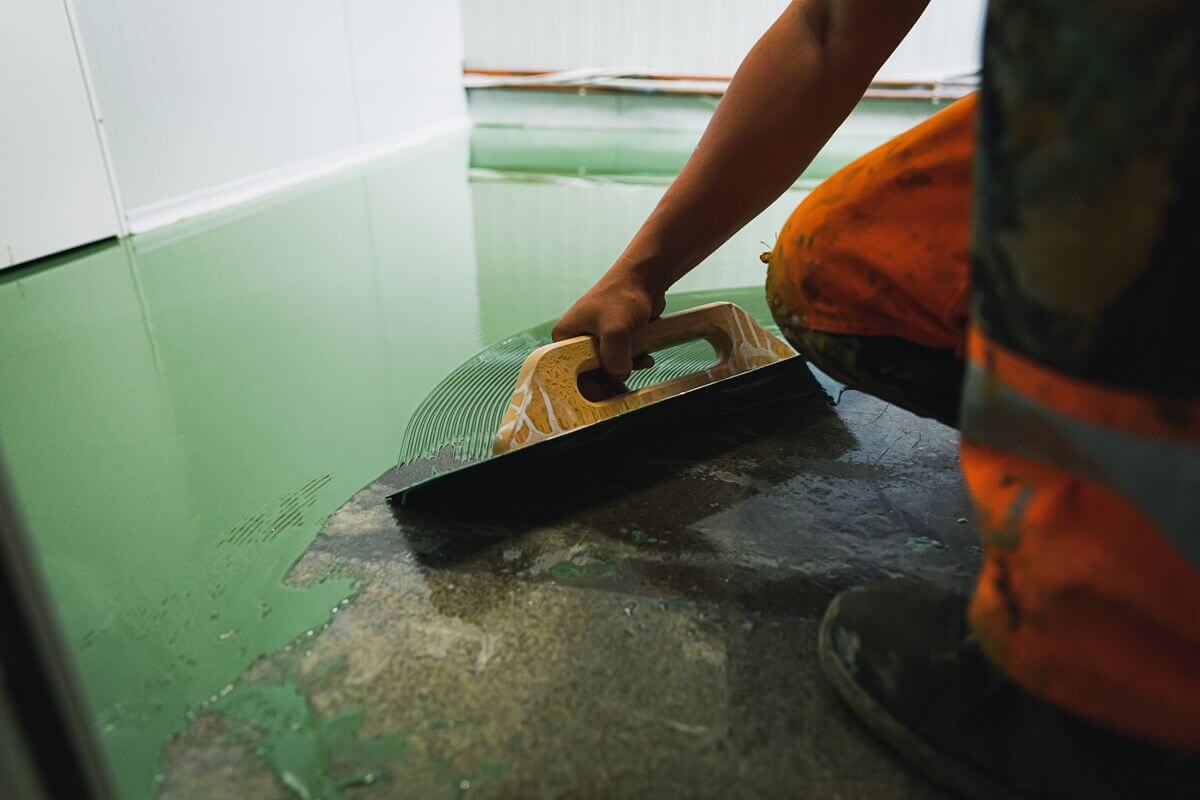
Epoxy coatings are commonly used to create a dense, continuous layer over properly prepared concrete. Their cured surface helps close small surface pores and hairline imperfections, reducing direct water contact with the substrate. Before application, existing cracks must be properly assessed and repaired to prevent water from entering through untreated openings.
Prevents Water Seepage from Below
Moisture-mitigation floor systems help protect concrete surfaces from damage caused by water vapor rising through slabs. In flood-prone locations, elevated groundwater can push moisture upward and cause conventional coatings to peel or even lose adhesion. This can compromise the flooring system and expose the concrete to further moisture damage.
Specialized moisture mitigation epoxy primers control vapor transmission through concrete before the final floor coating is installed. These products form a barrier between the slab and finished flooring system, helping preserve adhesion under elevated moisture conditions within their specified limits. Where groundwater creates hydrostatic pressure, a dedicated waterproofing system can easily manage the source of water intrusion.
Enhances Slip Resistance
Adding a textured finish to coated floors helps maintain better traction when floodwater makes walking surfaces slippery. As water recedes, mud and fine sediment can settle across concrete floors, creating hazardous conditions for people moving through affected facilities. This can make high-traffic areas difficult to navigate during cleanup and reopening.
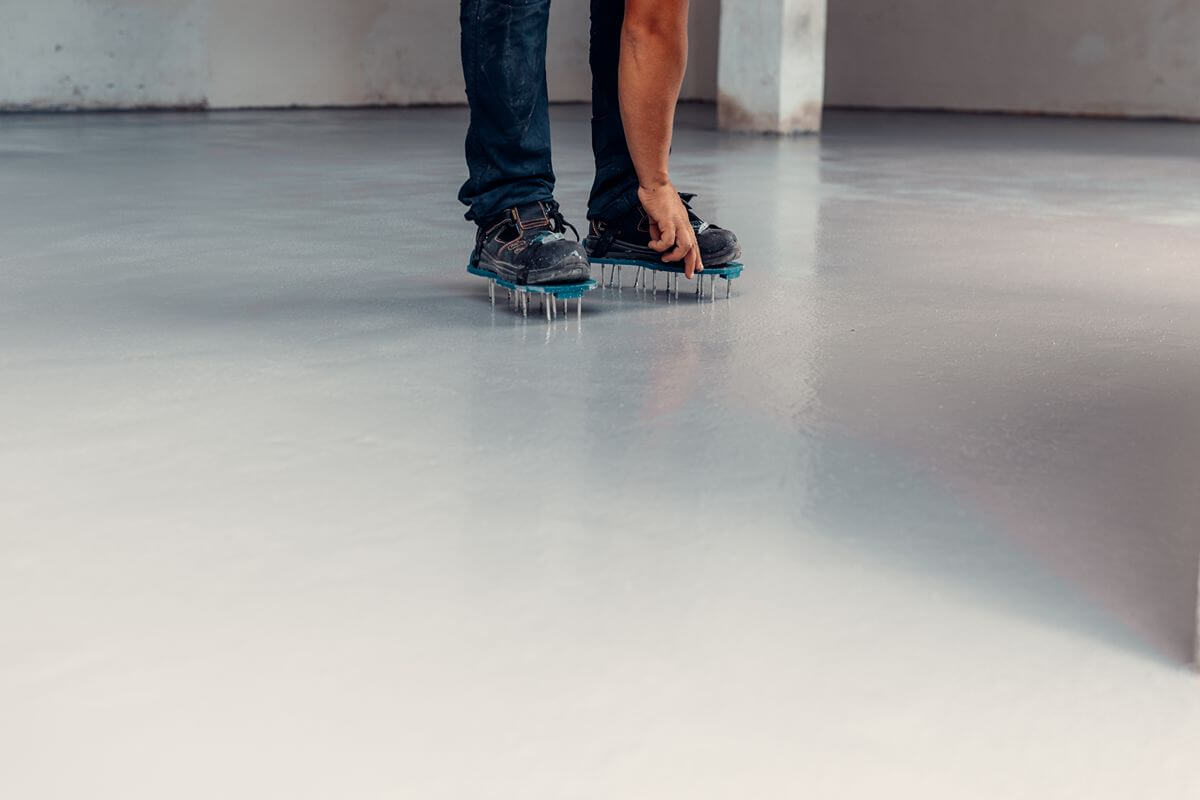
One option is an anti-slip epoxy system that incorporates aggregates such as quartz or aluminum oxide into the coating. These particles create a textured finish that provides greater grip underfoot when the surface becomes wet. The aggregate size and application method can be adjusted to suit the area’s safety requirements without making the floor unnecessarily difficult to clean.
Protects Lower Wall Seams
Extending resin floor coatings up the lower sections of walls helps protect vulnerable floor-to-wall transitions from floodwater. Water commonly collects along room perimeters, where exposed joints can allow moisture to reach flooring or drywall. Once these materials absorb water, damage can spread beyond the floor and require more extensive restoration.
Extending epoxy or polyurethane coatings several inches up the wall, an integral cove base creates a seamless floor-to-wall seal that blocks water intrusion and simplifies post-flood cleaning by eliminating exposed joints.
Stops Mold, Mildew, and Bacteria Growth
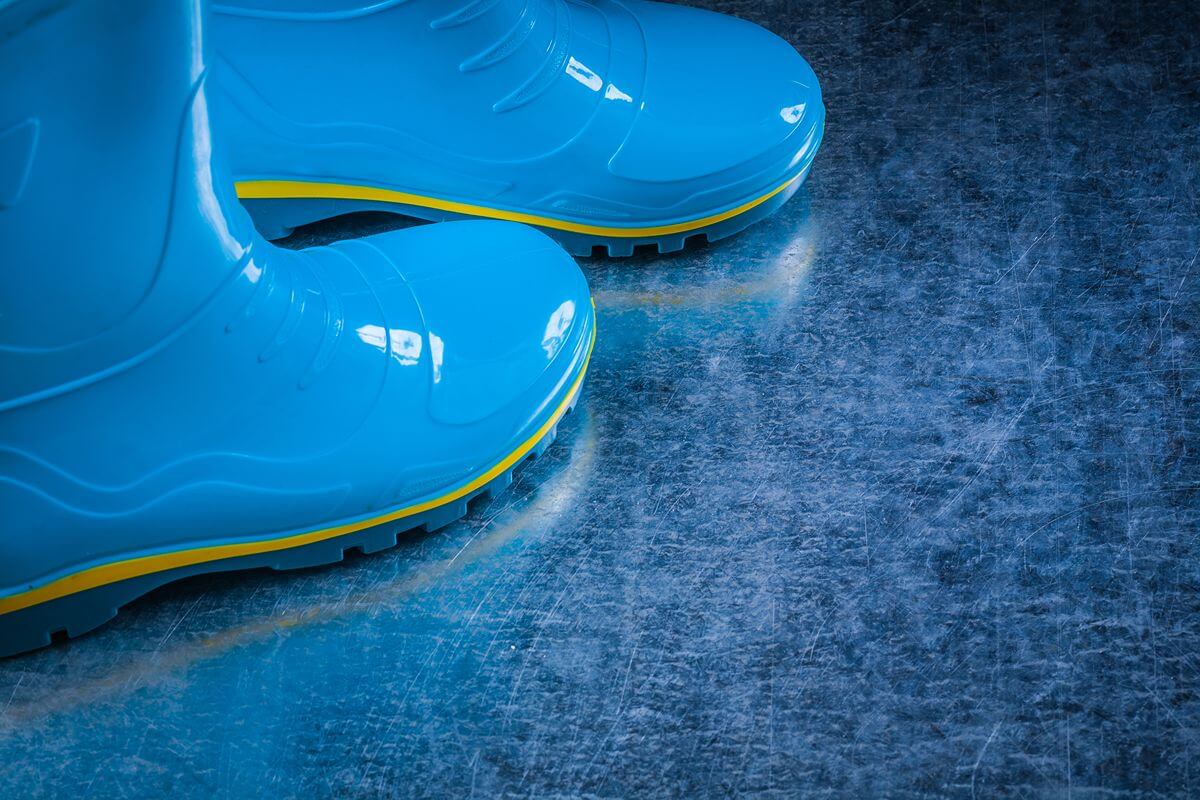
Because seamless resin floors do not absorb contaminated floodwater or trap silt in hard-to-reach gaps, they are easier to disinfect and sanitize after a storm. Some flooring materials like tiles can retain moisture and organic debris, allowing contaminants to remain even after standing water has been removed. These conditions can encourage mold growth and create additional sanitation concerns for institutional facilities.
Epoxy and polyurethane flooring systems provide a dense, non-absorbent finish that allows cleaning teams to remove flood residue more thoroughly. Their seamless application also minimizes joints where dirty water and debris can accumulate. This makes post-flood cleanup more manageable and helps facilities restore hygienic conditions before reopening.
Get Water-Resistant Flooring From Flooring Solutions PH
Flooring Solutions PH is a reliable water-resistant flooring provider in the Philippines, backed by over 17 years of experience in commercial and industrial flooring projects. Our expertise in resin flooring helps us recommend systems suited to the operational demands of each facility. We also prioritize proper surface preparation and professional application to help coatings deliver lasting surface protection.
We offer the following solutions:
- Epoxy Flooring Systems: Provide seamless, non-porous finishes that help limit water absorption into concrete and simplify surface cleaning.
- Polyurethane Flooring Systems: Offer durable, moisture-resistant finishes suited to demanding commercial and industrial environments.
- Waterproofing Solutions: Help protect building surfaces and structures from water penetration through dedicated waterproofing systems.
Key Takeaway
Knowing how floor coatings help mitigate flood damage allows facility planners to make better decisions about protecting concrete surfaces in flood-prone areas. Properly selected coatings help limit moisture penetration and make post-flood cleaning easier. Although no floor coating can make a facility completely floodproof, the right system can help minimize damage and support a more manageable recovery process.
With over 17 years of experience, Flooring Solutions PH brings the technical expertise to help institutional and public infrastructure clients select suitable resin flooring and waterproofing systems for their projects. Contact us today to get started on finding a flooring solution that supports your facility’s long-term surface protection needs.