Epoxy vs. Concrete: Which is Better For Flood Protection?
Overview
- Flood-prone facilities need water-resistant flooring that limits severe weather damage and simplifies recovery. While bare concrete is porous and absorbs water, epoxy coatings seal the surface to block moisture penetration.
- Backed by over 17 years of experience, Flooring Solutions PH provides commercial and industrial epoxy systems tailored to your facility’s surface conditions and protection needs.
Some facilities remain vulnerable to flooding during severe weather, regardless of their existing preparedness measures. For this reason, choosing suitable flooring is essential to limiting water-related surface damage within bases of operations. Among the common options for institutional surfaces include epoxy coating and concrete, but what makes each one suitable for flood-prone environments?
When comparing epoxy vs. concrete for flood protection, facility planners must consider how each material performs under prolonged exposure. Although both offer durability, their ability to protect floor surfaces differs.
Here’s a closer comparison to help identify the more suitable option for facilities exposed to flooding.
Epoxy Coatings
Epoxy coatings provide a protective finish for floors by limiting direct water absorption. Their resistance to moisture and ease of cleaning make them a practical option for facilities exposed to flooding.
How it Works
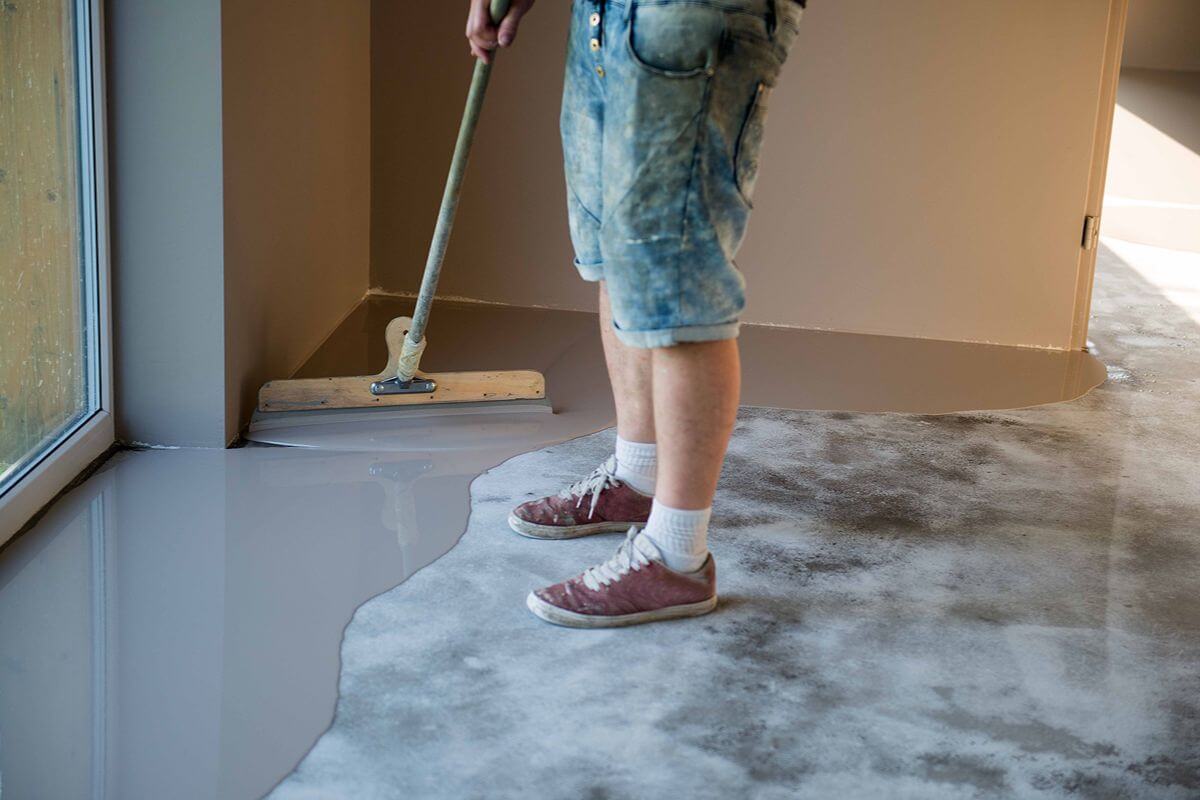
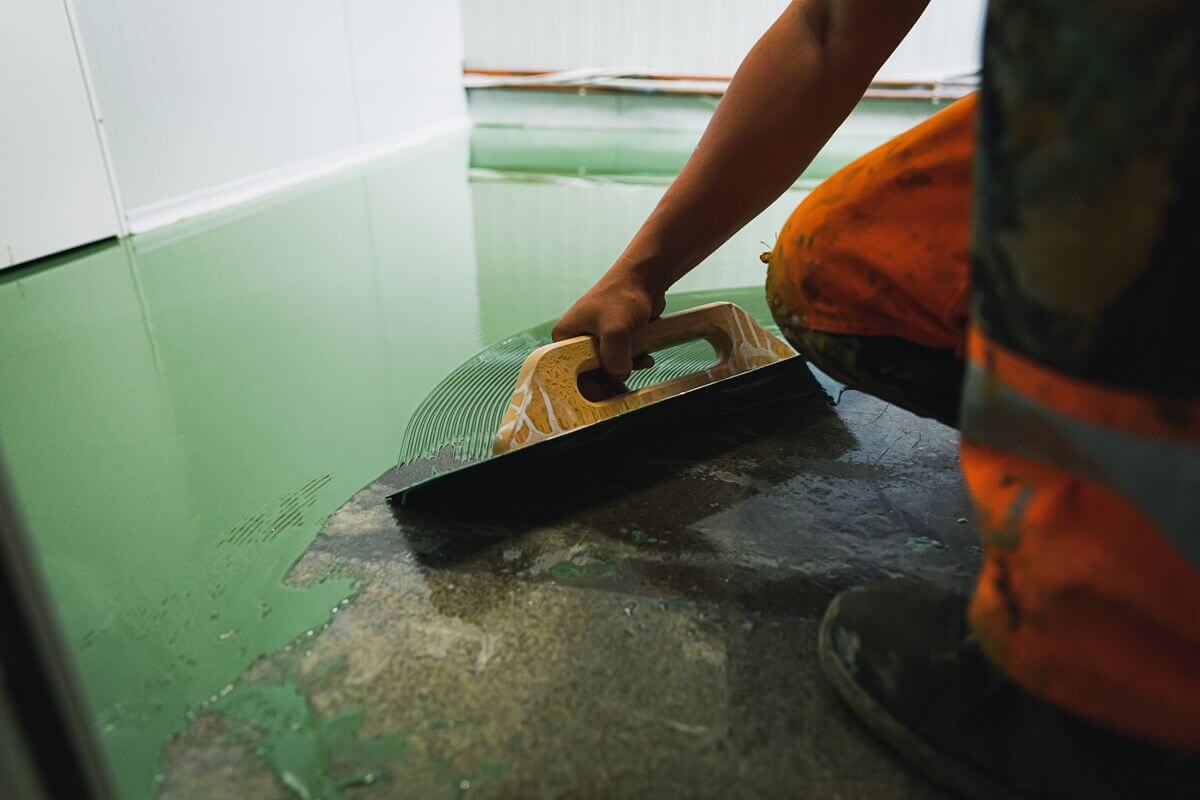
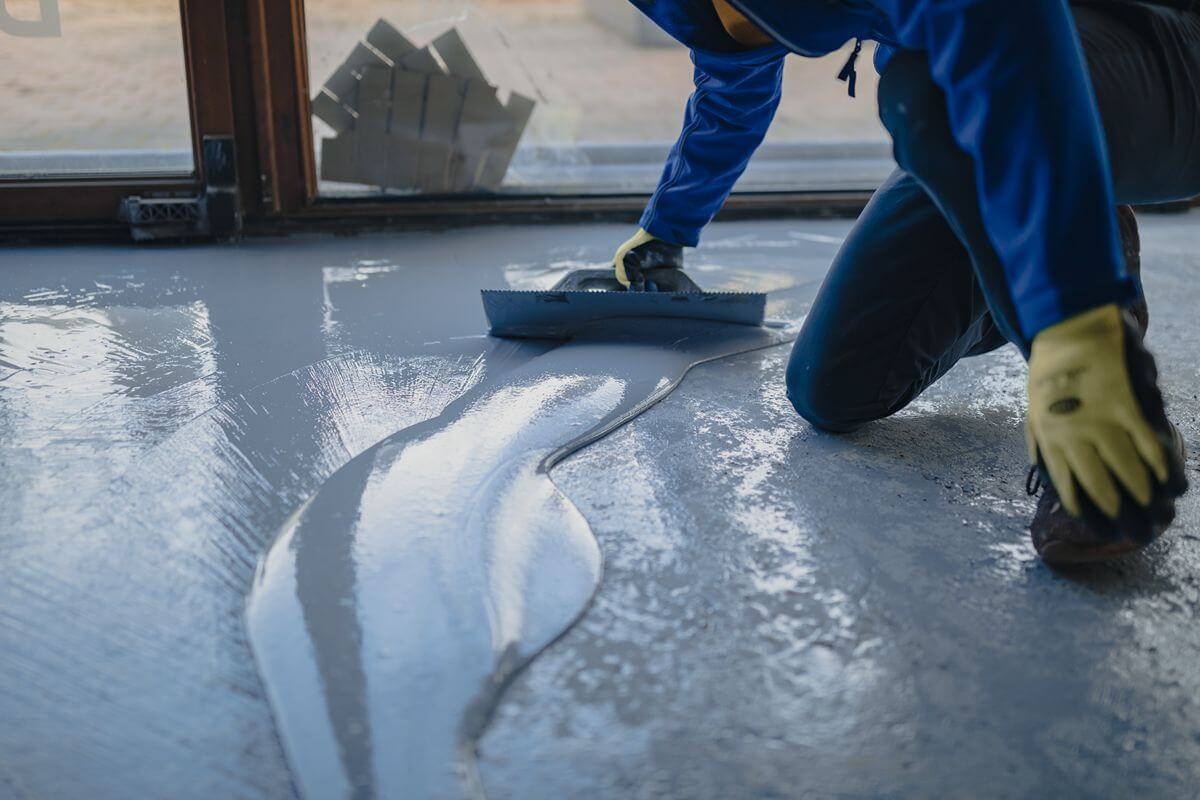
Epoxy coatings work by forming a continuous non-porous film over an existing concrete slab. Once the resin and hardener are mixed and applied, the material cures into a hard, plastic-like finish that bonds to the prepared substrate. This creates a protective surface layer with greater resistance to wear and certain forms of chemical exposure.
However, the coating’s performance relies heavily on proper surface preparation before application. Contractors must clean and prepare the floor to remove contaminants and create a suitable bonding profile. Once cured, the epoxy forms a seamless finish without the open pores found in bare concrete.
Flood/Moisture Benefits
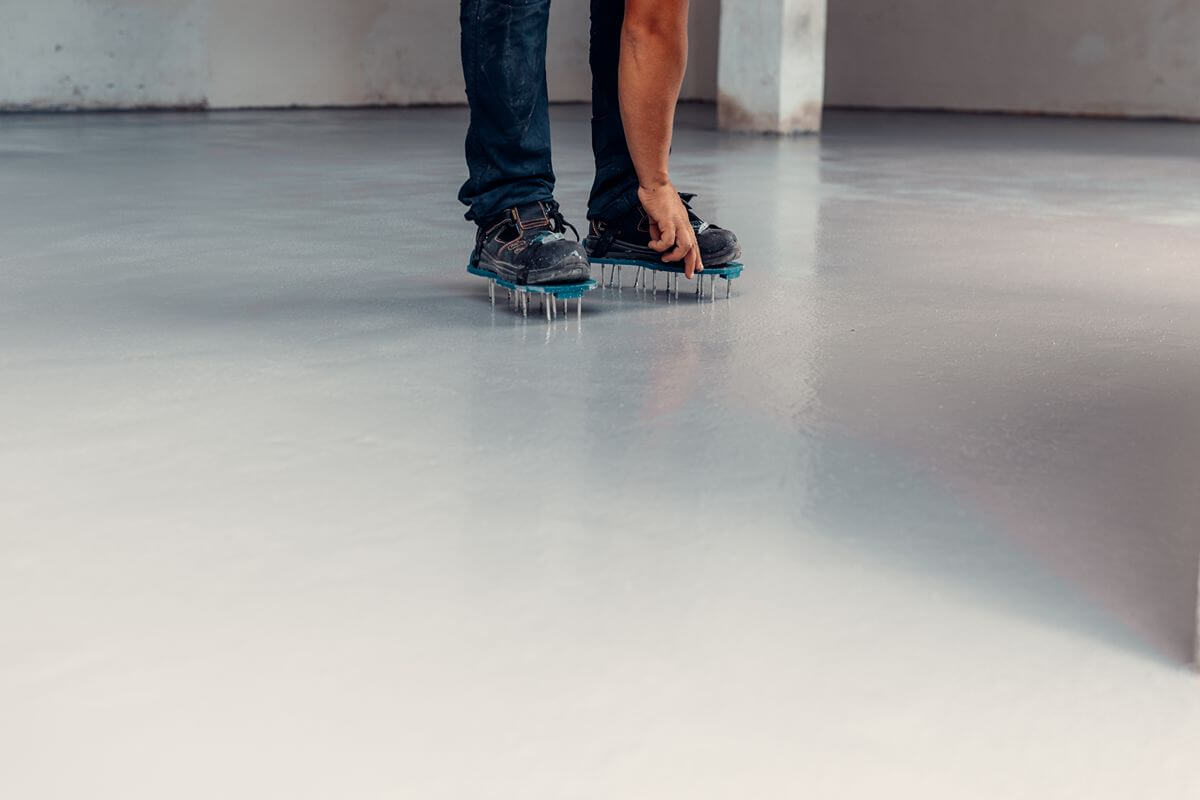
By sealing the concrete surface, epoxy coatings help prevent floodwater and contaminants from soaking into the slab. This reduces the amount of residue that can become trapped within the floor and makes post-flood cleaning more manageable. The sealed finish also protects the floor against moisture-related surface deterioration.
Epoxy coatings can also extend several inches up the lower sections of walls through an integral cove base, creating a continuous transition that reduces water entry at vulnerable floor-to-wall joints. For facilities with drywall or other moisture-sensitive wall materials, this added protection can help limit the spread of water damage along room perimeters.
Drawbacks
Despite its protective qualities, epoxy flooring requires a higher initial investment than bare concrete. Its smooth finish can also become slippery when exposed to floodwater. Additionally, excessive moisture beneath the concrete slab can compromise the coating’s adhesion, potentially causing bubbles or delamination.
However, the higher upfront cost can be justified by epoxy’s long-term protective capabilities, which help reduce surface deterioration and simplify post-flood maintenance. Facilities can also opt for anti-slip epoxy coatings that incorporate textured aggregates to improve traction in wet conditions.
Bare or Polished Concrete

While concrete offers a more straightforward flooring option, its performance under flood conditions may vary. Its strength and reliability depend on the surface’s porosity and proper sealing.
How it Works
Bare concrete uses a standard cement-based slab as the exposed floor surface with no additional protective coating. Polished concrete follows a different finishing process, in which mechanical grinding and polishing refine the slab to create a smoother appearance. Neither approach adds the continuous resin barrier provided by an epoxy coating.
Polished floors may receive a densifier or sealer to improve their surface properties, but these treatments do not necessarily provide the same level of water resistance as a continuous epoxy system.
Flood/Moisture Benefits
Unlike epoxy coatings, bare concrete does not rely on an applied film that can lose adhesion when exposed to moisture. Its naturally porous structure allows water vapor to pass through the material. This makes it less susceptible to adhesion failures associated with moisture-sensitive coating applications.
Although bare concrete costs less to install, its long-term expenses can be more substantial due to repeated repairs and restoration after flood exposure. Water absorption can leave contaminants and odors embedded in the slab, making post-flood sanitation more difficult. Over time, recurring maintenance and moisture-related deterioration can offset the initial savings.
Drawbacks
The same porosity that allows concrete to breathe also makes untreated surfaces vulnerable to floodwater absorption. Dirty water can penetrate the slab, leaving contaminants that are difficult to remove through ordinary cleaning. Prolonged moisture exposure can also create conditions that support mold growth in affected areas.
Polished concrete does not automatically eliminate these concerns. Water can still affect the concrete, and smooth finishes may become slippery when wet. For flood-prone facilities with strict hygiene and maintenance requirements, these limitations can make an uncoated concrete floor more difficult and costly to restore after flooding.
Which One Should You Choose?
The choice comes down to your facility’s budget and exposure to flooding. Bare or polished concrete may be suitable for areas with limited moisture exposure and lower installation budgets. Otherwise, epoxy coatings offer better surface protection and easier post-flood maintenance.
| Epoxy | Concrete |
|---|---|
| Protects the concrete substrate from direct exposure to water and contaminants. | Leaves the concrete more exposed to moisture and surface deterioration. |
| Can reduce recurring cleaning and repair expenses through added surface protection. | May incur higher restoration and maintenance costs following repeated flood exposure. |
| Easier to clean because its seamless surface limits gaps where contaminants can collect. | Absorbed water and contaminants can make cleaning and sanitation more difficult. |
Get Flood-Protective Epoxy Coatings For Your Facility From Flooring Solutions PH
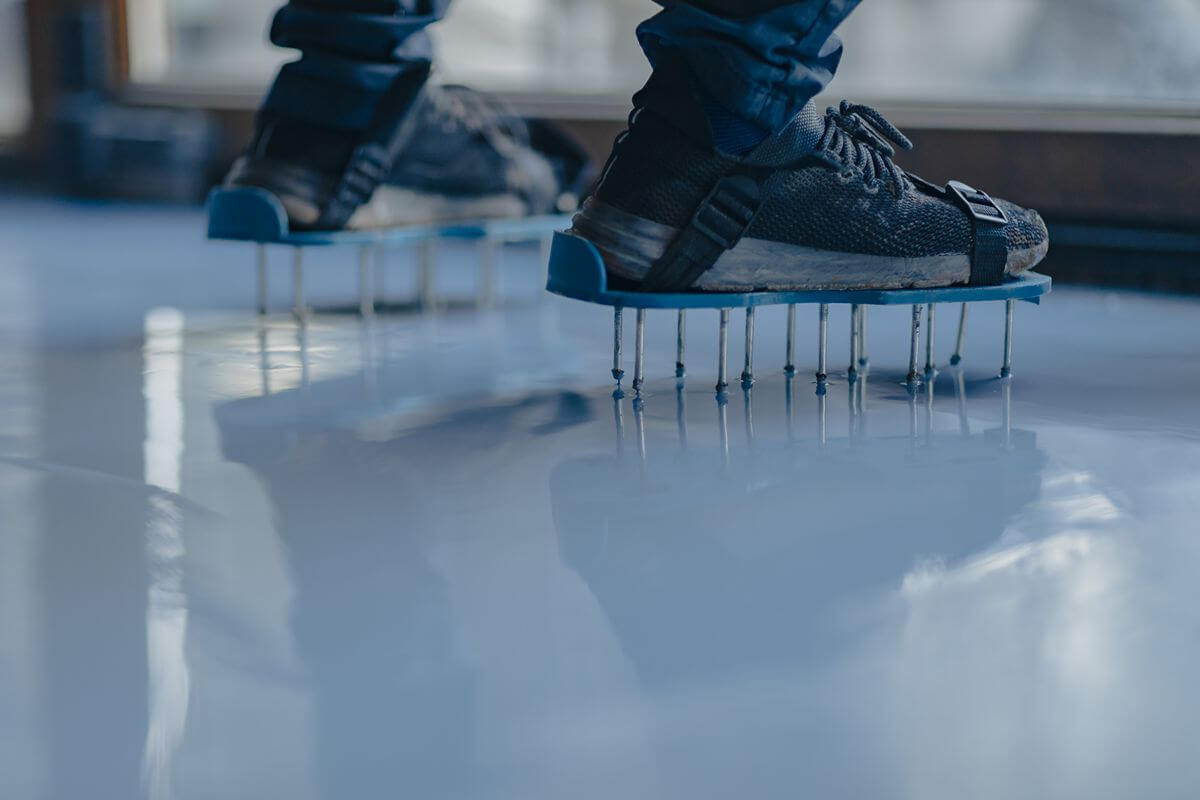
Flooring Solutions PH delivers commercial and industrial epoxy flooring across the Philippines, combining over 17 years of resin expertise with strict surface preparation and professional application.
We help facility owners protect concrete slabs against moisture and heavy wear through targeted flooring systems:
- Epoxy Coating System: Creates a non-porous surface that prevents water penetration.
- Self-Leveling Epoxy Flooring: Produces a smooth, joint-free finish that streamlines post-flood sanitation.
- Epoxy Mortar System: Reinforces concrete with a heavy-duty finish built for demanding facility operations.
Key Takeaway
Choosing between epoxy vs. concrete for flood protection comes down to how much surface protection your facility requires. Although bare concrete offers lower upfront costs, its porous structure makes it more vulnerable to water absorption and contamination. Epoxy coatings provide a more protective surface that can simplify cleanup and help reduce moisture-related floor deterioration.
Investing in a suitable epoxy flooring system can support better long-term floor performance and reduce the burden of post-flood maintenance. With reliable support from Flooring Solutions PH, you ensure your flooring systems undergo professional application and ongoing maintenance. Contact us today to find the right epoxy flooring options for your facility.