What Is Epoxy Resin Used For?
Overview
- Epoxy resin is used in construction to repair concrete and bond building materials. Its strong adhesion and mechanical strength make it suitable for demanding structural and surface applications.
- Marine and automotive industries use epoxy resin to build and repair composite components. It binds reinforcing fibers and helps protect materials exposed to moisture and mechanical stress.
- Flooring Solutions PH offers a range of epoxy flooring systems designed to meet different surface conditions and project performance requirements.
Epoxy resin is widely used in construction because it provides strong, protective surfaces. Its applications span project requirements, from industrial flooring to specialized surface finishes. These properties make it a practical material for construction teams working with surfaces that need added strength and longevity.
But what is epoxy actually used for in real construction applications? Its versatility allows it to serve different functions depending on the formulation and intended use. Understanding these applications helps construction professionals determine where it can provide practical value and which systems are appropriate for their projects. Continue reading to learn more.
Construction and Infrastructure
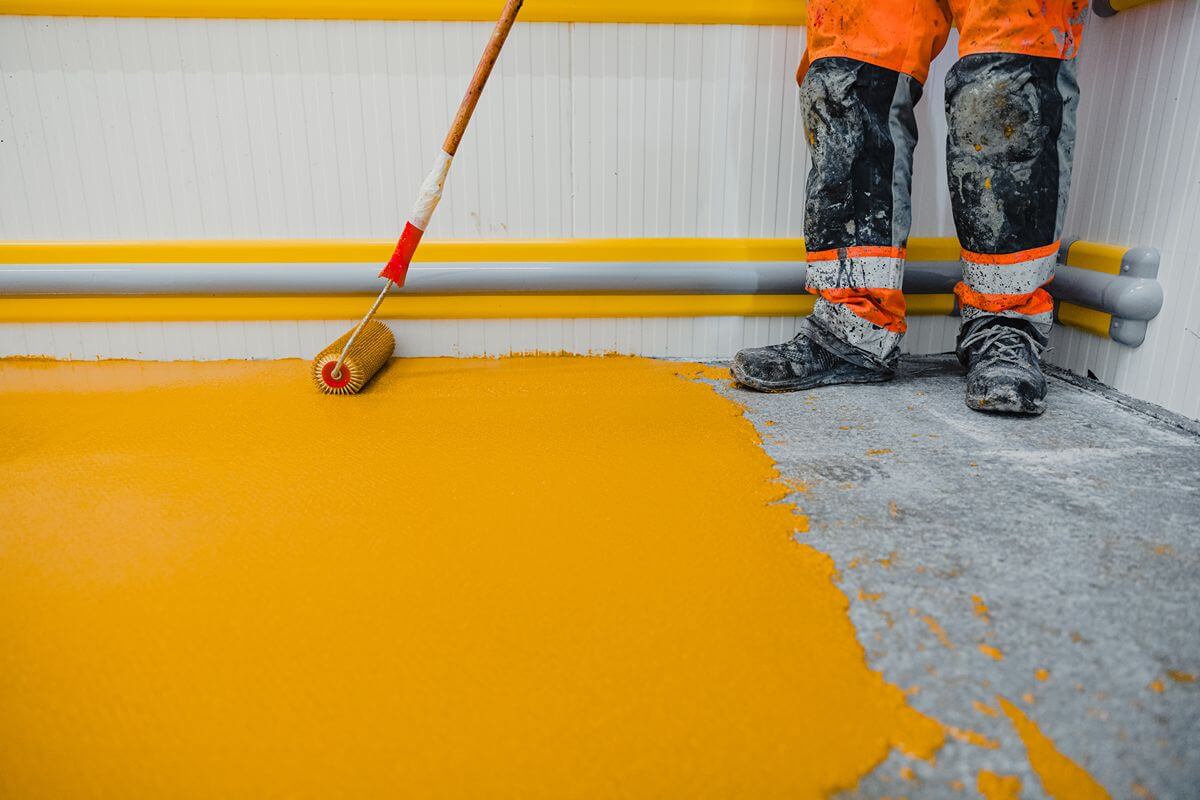
Epoxy resin serves several functions in construction. Its strong adhesion and mechanical strength make it useful for applications that require lasting surface protection and structural support.
Concrete Repair
Damaged concrete structures can be restored using epoxy resin due to its ability to penetrate cracks and bond firmly with existing material. Specialized epoxy injection resins are introduced into narrow cracks in concrete walls, where they cure into a solid material that restores structural continuity. Their high compressive and tensile strength makes them suitable for repairing cracks that require more than ordinary surface filling.
For larger defects, epoxy-based repair mortars can fill damaged sections and rebuild deteriorated concrete surfaces. These compounds combine epoxy resin with selected aggregates to create a repair material with strong adhesion. Their low shrinkage during curing also helps maintain a stable bond between the repaired section and the surrounding concrete.
Flooring
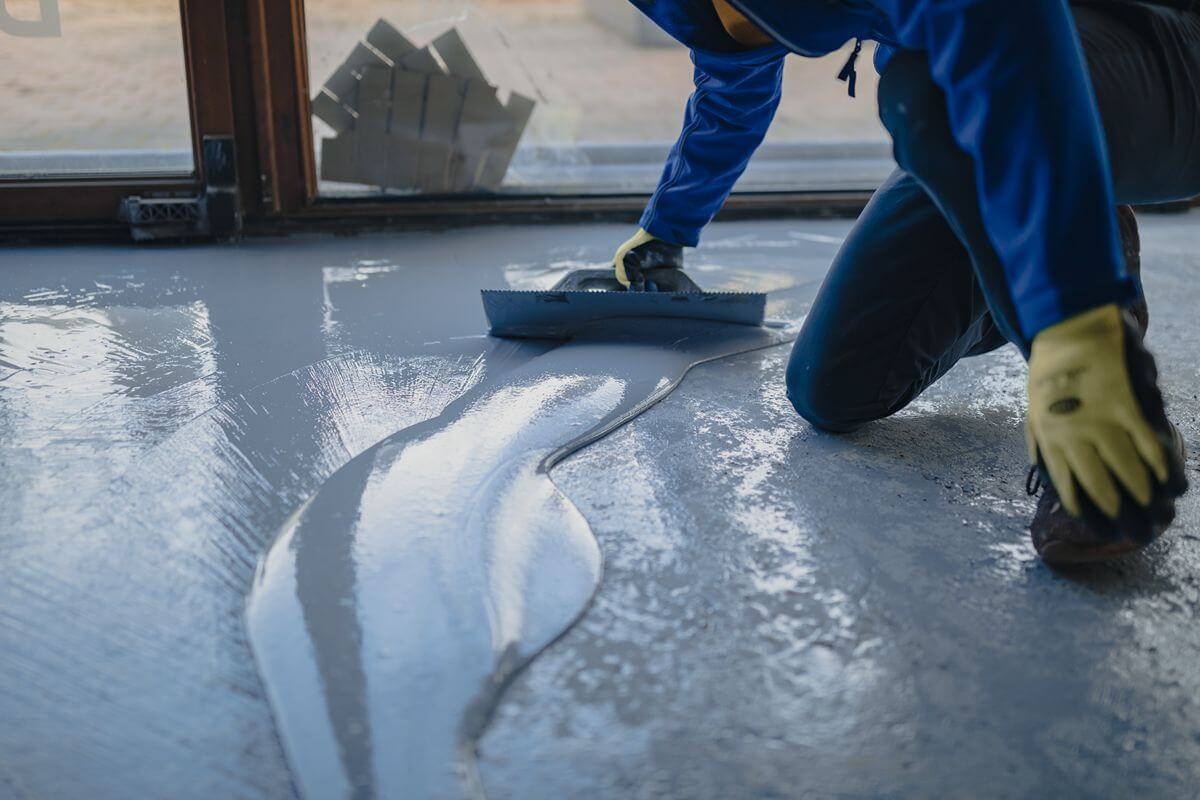
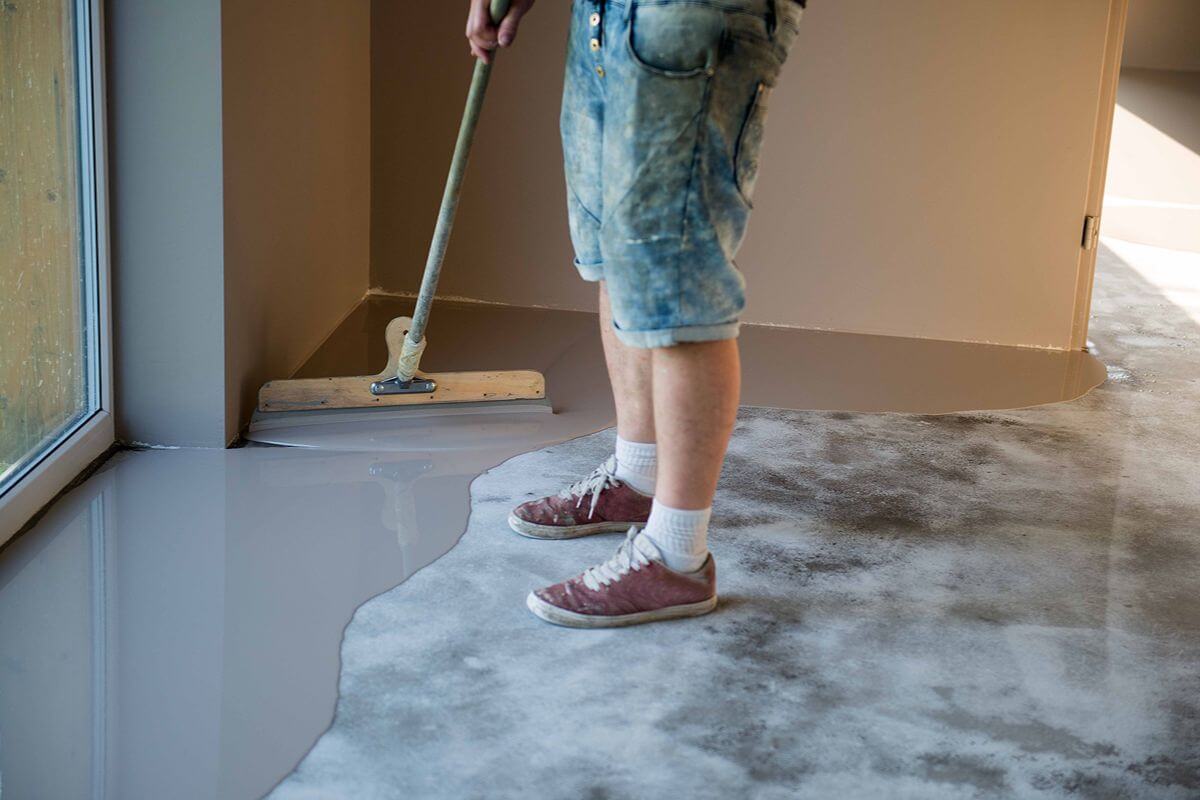
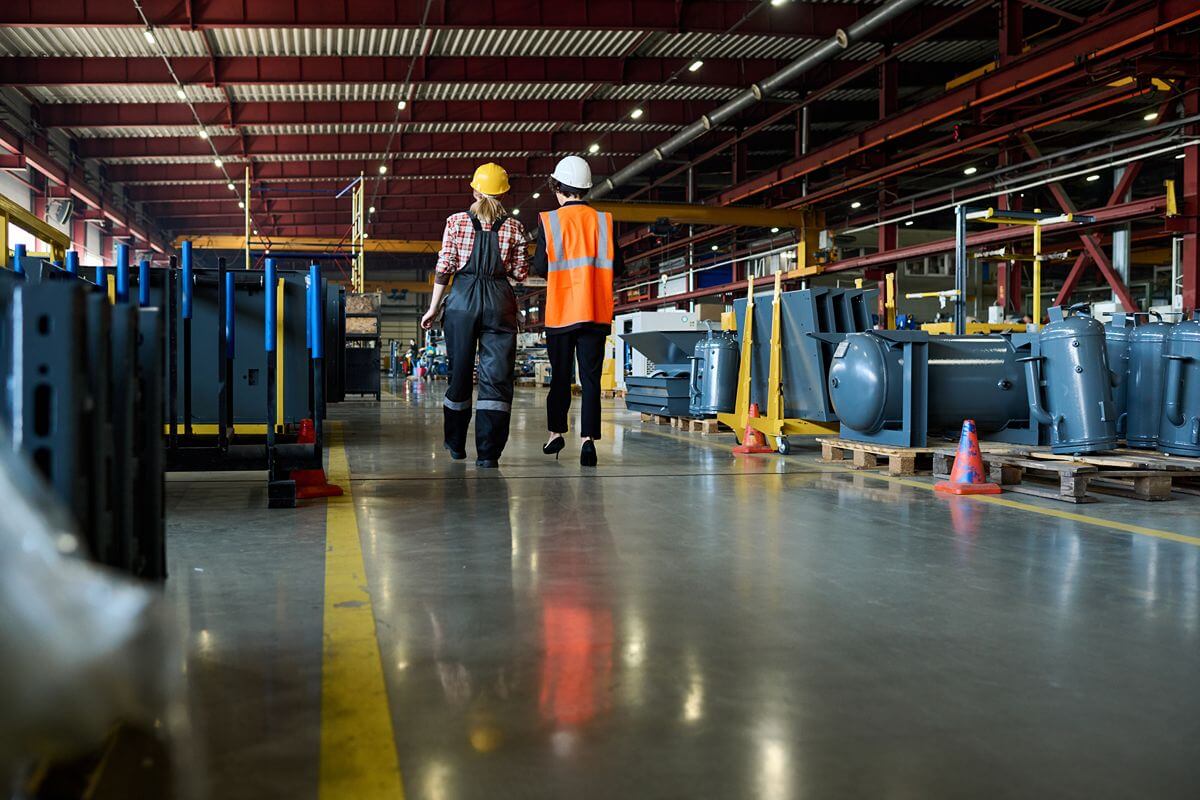
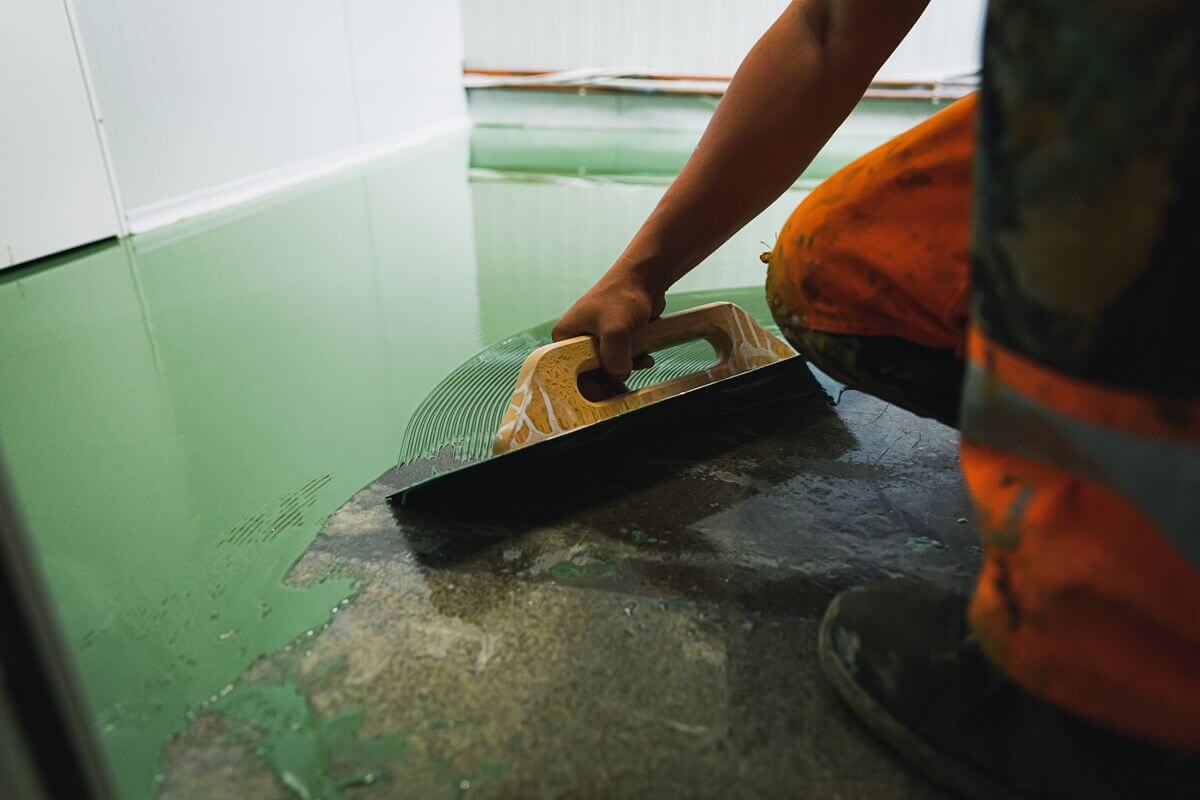
In commercial and industrial construction, epoxy resin is used to create seamless floor coatings that protect concrete substrates from daily wear. Applied as a liquid coating, the resin cures into a hard, non-porous surface that resists abrasion and moisture penetration. This makes epoxy flooring suitable for warehouses, laboratories, and other facilities that require durable and easy-to-clean surfaces.
Different epoxy formulations also allow flooring systems to accommodate specific site conditions and performance requirements. For example, self-leveling epoxy systems create smooth surfaces across large floor areas, while high-build and mortar systems provide thicker protective layers for surfaces exposed to heavier loads. These deliver the protective qualities needed to maintain safe facility operations over the long term.
Adhesives
Epoxy resin is widely used as a structural adhesive for joining materials that need a strong, lasting bond. Its ability to adhere to concrete, metal, and other materials makes it useful in construction assemblies and equipment installation. Once cured, the adhesive forms a rigid bond that can withstand substantial mechanical loads and resist environmental exposure.
The bonding process also allows epoxy adhesives to fill small gaps between mating surfaces. This versatility makes epoxy suitable for applications ranging from anchoring bolts and reinforcing connections to assembling structural components.
Marine and Automotive Industries
Epoxy resin is also valued in marine and automotive applications where materials must withstand moisture and mechanical stress. Its chemical resistance and compatibility with composite reinforcement materials make it useful in manufacturing and repair processes.
Boat Building and Repair
Boat construction frequently uses epoxy resin to bond fiberglass fabrics and other reinforcement materials into lightweight composite structures. The resin saturates the fabric before curing, creating a rigid bond that holds reinforcing fabrics reliably together. This provides a favorable strength-to-weight ratio that makes it useful for boat structures.
During repairs, epoxy can restore damaged fiberglass sections and seal areas that are exposed to water. These properties make it a practical choice for reinforcing weakened sections and protecting marine components from further deterioration.
Automotive Composites
In automotive manufacturing, epoxy resin acts as the binding material in fiber-reinforced composite components. When combined with carbon fiber or fiberglass, it holds the reinforcement in position and transfers mechanical loads throughout the finished part. The resulting composites offer high strength relative to their weight, making them useful for performance-oriented vehicle parts.
Epoxy-based composites also provide dimensional stability and resistance to fatigue under repeated load. Their use not only reduces component weight, but also maintains the strength needed for demanding automotive applications.
Electronics and Electrical
Electrical and electronic components require materials that protect sensitive parts from moisture and heat damage. Epoxy resin meets several of these requirements through its electrical insulation properties and ability to form protective encapsulating layers.
Insulation
Epoxy resin is used as an electrical insulation material to prevent unwanted current flow between conductive components. Once cured, it forms a dielectric barrier that helps separate electric conductors and reduces the risk of short circuits.
Its strong adhesion and ability to fill narrow spaces also make it suitable for insulating complex assemblies where conventional barriers may be difficult to install. The hardened resin holds components in place while providing electrical isolation and environmental protection.
Where to Get Reliable Epoxy Resin Solutions in the Philippines
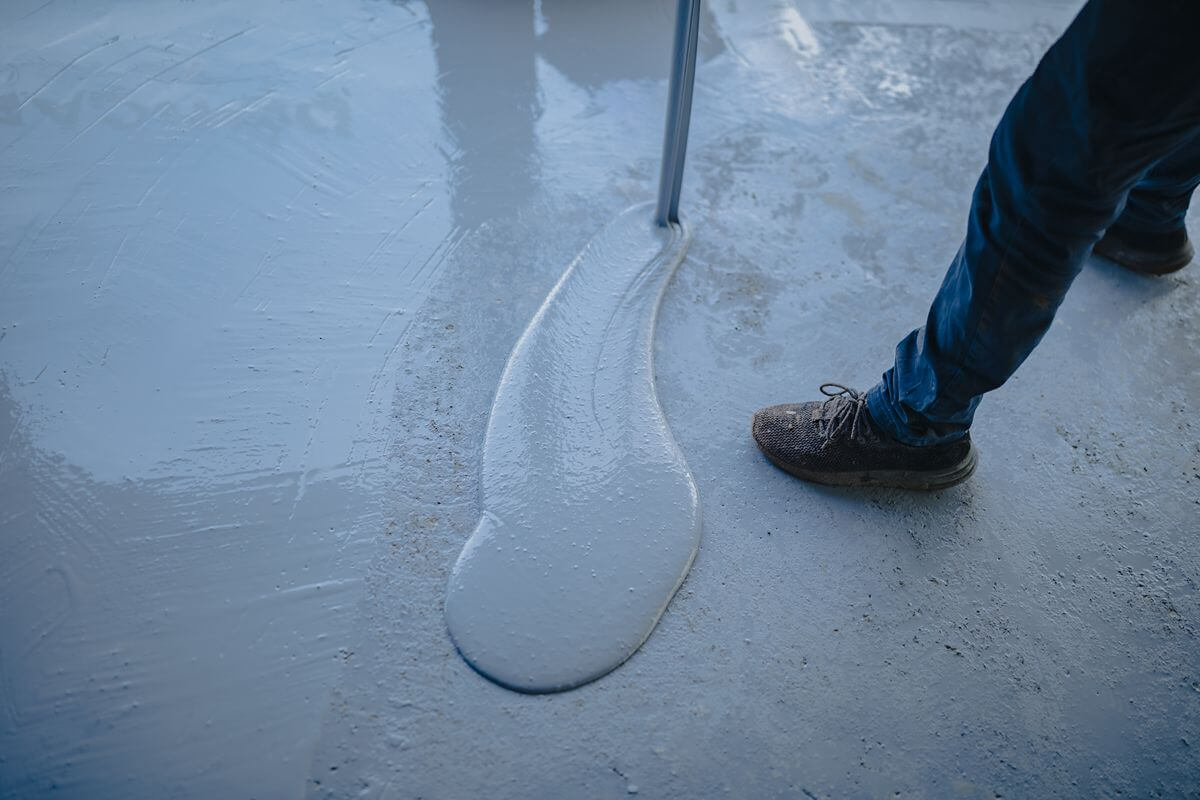
With over 17 years of industry experience, Flooring Solutions PH provides commercial and industrial epoxy flooring across the Philippines. We handle material specification, surface preparation, installation, repairs, and maintenance to match each facility’s performance requirements.
We offer the following epoxy flooring options:
- Self-leveling epoxy
- Epoxy coating
- Epoxy mortar
- High-build epoxy
- Epoxy flake flooring
- Metallic epoxy flooring
Key Takeaway
So, what is epoxy resin used for across construction and industrial applications? It can repair damaged concrete, create durable flooring systems, bond building materials, and protect electrical components. Its strong adhesion and mechanical resistance make it suitable for applications that require lasting performance under demanding conditions.
Choosing the right epoxy formulation helps ensure it meets the performance requirements of each application. For commercial and industrial flooring projects, Flooring Solutions PH offers a range of epoxy systems backed by over 17 years of experience in material supply. Contact us today to discuss your flooring requirements and find an epoxy solution suited to your project.