Can FRP Panels Withstand Harsh Cleaning Chemicals
Overview
- Fiberglass Reinforced Plastic (FRP) panels offer durable, hygienic wall solutions with chemical resistance, moisture protection, and easy cleaning.
- Performance depends on resin type, surface finish, and exposure conditions.
- High-quality panels resist routine cleaning chemicals, while proper maintenance preserves longevity, appearance, and structural integrity in kitchens, healthcare, and hygiene-critical facilities.
Fiberglass Reinforced Plastic (FRP) panels are heralded as the champions of hygienic wall systems, celebrated for their seamless installation, moisture resistance, and ability to shrug off frequent cleaning.
When a facility needs to meet stringent sanitation standards, FRP is often the first material considered. However, the term “chemical resistance” isn’t a blanket guarantee. The truth about how these panels perform lies in their specific composition.
The critical question remains: Can FRP panels withstand harsh cleaning chemicals? To understand the longevity of your wall system, we need to get into the details and separate the marketing hype from the material science.
For facilities that need reliable, high-quality FRP panels, Flooring Solutions offers a wide range of durable options designed for chemical resistance and hygiene-critical environments.
Can FRP Panels Withstand Harsh Cleaning Chemicals?
The short answer is a definitive “yes”. High-quality panels are specifically engineered for the high-performance environments that require frequent, intense washdowns and chemical sanitizing.
Their construction, which involves embedding fiberglass matting in a cured resin matrix, makes them far more resistant to chemical etching and degradation than materials like painted drywall or standard PVC.
However, the exact degree of chemical resistance is not uniform. It depends entirely on two factors: the specific resin type used in manufacturing and the properties of the chemical being applied. This is the difference between a premium panel that tolerates daily washing in a commercial kitchen and a cheap panel that fails after months of exposure.
What You Should Know

To maximize performance and longevity, facility managers must understand the critical factors influencing a panel’s resistance to cleaning agents.
- Resin is Key: The resin binds the glass fibers and forms the panel’s protective barrier. Polyester resins are common and cost-effective, but vinyl ester and epoxy resins provide superior resistance to acids, alkalis, and solvents.
- “Harsh” is Relative: The severity of a cleaning agent is defined by its pH level and solvent strength. While mild disinfectants or diluted detergents are generally harmless, concentrated solvents (like acetone) or strong acids can compromise even high-quality FRP surfaces.
- Porosity is a Factor: Standard FRP panels can be slightly porous, especially if scratched, allowing chemicals or moisture to seep in. Non-porous alternatives, such as our high-density, resin-rich FRP options, are the preferred choice for extreme washdown or high-moisture environments.
- Maintenance Matters: Even chemically resistant panels degrade if residue is left to sit or if aggressive cleaning is repeated without proper rinsing. Regular cleaning and preventive maintenance preserve both the appearance and structural integrity of your walls.
How FRP Panels React to Cleaning Chemicals
Not all cleaning products are equal in their effects. Panel failure usually occurs when surfaces are exposed to agents that attack the polymer structure or the protective gel coat. Knowing which agents are compatible helps maintain panel integrity.
Safe Chemicals for Routine Cleaning
- Diluted bleach solutions (under 5%)
- Mild alkaline detergents
- Non-abrasive disinfectants
These are generally safe for high-quality panels in kitchens or healthcare settings. For instance, a 1:10 bleach solution can disinfect food prep areas without harming epoxy or vinyl ester panels.
High-quality panels, such as those supplied by Flooring Solutions, are safe for diluted bleach, mild detergents, and non-abrasive disinfectants commonly used in kitchens or healthcare facilities.
Chemicals to Avoid
Or use with extreme caution.
- Concentrated acids (hydrochloric, sulfuric)
- Ketones like acetone
- Aromatic solvents such as toluene
Using these chemicals, even briefly, can soften or discolor FRP surfaces.
Signs of Chemical Damage
- Loss of gloss or dulling
- Blistering or surface bubbling
- Cracks, soft spots, or delamination
Spotting these signs early allows you to intervene before permanent damage occurs.
Factors That Affect FRP Durability
While FRP is highly chemical-resistant, it’s not indestructible. Its ability to last for years depends on a chain of variables that must be controlled.
The lifespan of an FRP panel is a function of the following interactive factors:
Resin Type
Polyester offers general resistance; vinyl ester provides superior protection against harsh chemicals.
Gel Coat/Surface Finish
High-quality, smooth gel coats minimize porosity and reduce chemical absorption.
Exposure Conditions
Extended or repeated contact with aggressive chemicals, especially at high temperatures, can accelerate surface wear.
Concentration and Exposure Time
Strong chemicals or long exposure periods increase the likelihood of damage. Always follow dilution guidelines.
Temperature
Heat intensifies chemical reactions. Avoid hot solutions unless panels are specifically rated for high-temperature cleaning.
Physical Abrasion
Scrubbing with rough pads or brushes can scratch the surface, making it more vulnerable to chemical attack.
Best Practices for Cleaning FRP Panels
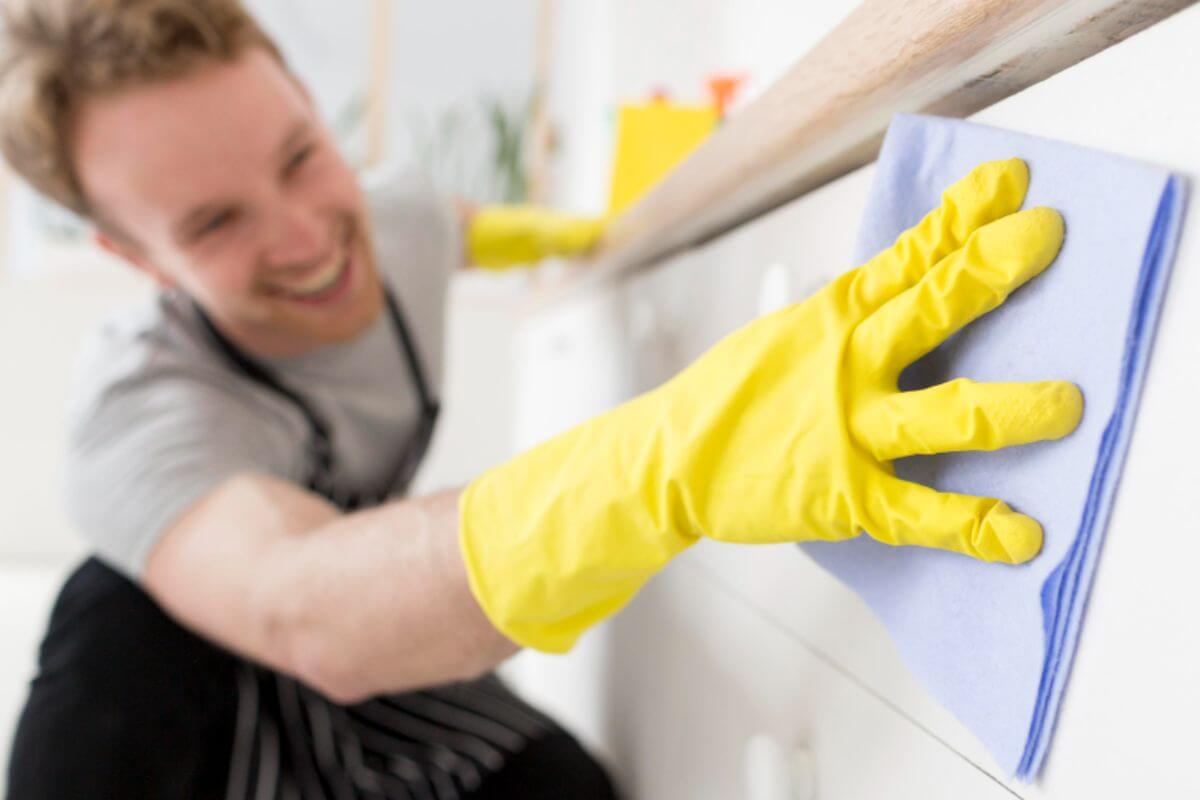
FRP’s lifespan is a function of product quality and maintenance control. Protecting your investment ensures your panels maintain their hygienic qualities for their full intended lifespan.
- Always dilute strong chemicals per manufacturer guidelines. Never use concentrated chemicals directly on the panel unless explicitly approved.
- Rinse thoroughly after cleaning to remove residue. The greatest damage occurs when chemicals dry and concentrate on the surface.
- Use soft, non-abrasive tools like microfiber cloths or soft sponges. Avoid metal scrapers, scouring pads, and stiff-bristled brushes that can damage the gel coat.
- Test unfamiliar cleaning solutions on a small, hidden area first. This essential step prevents a wide-scale chemical catastrophe by verifying the panel’s tolerance.
- Avoid long-term exposure to concentrated disinfectants or solvents. Follow the chemical’s mandated “dwell time” for sanitization, then rinse immediately.
Key Takeaway
FRP panels are designed to be durable and hygienic, and yes, can FRP panels withstand harsh cleaning chemicals when you choose the right type, follow proper maintenance, and use compatible cleaning agents.
For facilities that require frequent sanitation or chemical exposure, Flooring Solutions can help you select the right FRP panels for your environment. Contact us today to find the perfect solution that balances durability, chemical resistance, and easy maintenance.