How Polyurethane Flooring Protects Assets and Equipment From Damage

Overview
Polyurethane flooring protects assets by absorbing impact, resisting abrasion, and withstanding chemicals. It prevents structural damage, safeguards machinery, enhances safety, and supports long-term operational reliability, making it a vital investment for industrial and commercial facilities.
In industrial and commercial facilities, floor damage such as cracks, erosion, and moisture intrusion threatens equipment, inventory, and personnel, making floors a critical part of safe and efficient operations.
This is where understanding how polyurethane flooring protects assets and equipment from damage becomes essential for facility managers and project engineers planning for long-term performance.
Unlike conventional coatings, polyurethane flooring systems are designed to work as part of the facility’s protective infrastructure. Their flexibility, chemical resistance, and durability allow them to absorb daily abuse while preserving the structural integrity of the slab beneath.
Over time, this translates into fewer repairs, reduced downtime, and better protection for high-value equipment.
Protection Against Mechanical Impact and Wear

Mechanical stress from forklifts and heavy tools poses a major threat to industrial floors. Specialized coatings withstand this constant force through a balanced combination of hardness and elasticity.
Impact Absorption
One of the defining features of this material is its inherent flexibility. While traditional concrete or lower-quality finishes are brittle and prone to “shattering” upon impact, the cured layer behaves as a hybrid between plastic and rubber.
When a heavy object is dropped, the resilient surface compresses slightly to absorb and dissipate kinetic energy. This prevents the force from reaching the concrete sub-floor, thereby avoiding deep structural cracks that could eventually lead to potholes or uneven surfaces that damage vehicle axles.
Abrasion and Wear Resistance
Constant movement of machinery, carts, and foot traffic gradually erodes unprotected floors, creating dust, uneven surfaces, or weak spots. Industrial-grade coatings are formulated for superior wear resistance, maintaining smooth surfaces even under intense daily use.
By reducing surface abrasion, these systems extend both the life of the floor and the equipment it supports.
Scratch Protection
Maintaining the aesthetic and functional smoothness of a work area is vital for precision tasks. The polymer is naturally more scratch-resistant than many epoxy alternatives.
Its “memory” allows it to withstand the sliding of metal racks or the dragging of equipment without leaving deep gouges that could harbor dirt or compromise the waterproof seal of the finish.
Protection Against Environmental and Chemical Factors
Environmental factors such as chemical spills and extreme temperature changes can damage floors, putting equipment and assets at risk.
Chemical and Acid Resistance
In pharmaceutical or food processing plants, surfaces are frequently exposed to organic acids, solvents, and harsh cleaning agents. If these substances reach the bare concrete, they cause a chemical reaction that weakens the slab.
Our specialized coatings serve as an impermeable barrier. These formulations are specifically designed to resist chemical “eating,” ensuring that even accidental spills do not lead to the degradation of the foundation or the contamination of the subsoil.
Thermal Shock Resistance
Thermal shock occurs when a room is subjected to rapid temperature changes, such as steam cleaning a cold room or blast freezing a production area. Most materials expand and contract at different rates than the concrete beneath them, leading to delamination or peeling.
Our cementitious urethane systems are engineered with a similar coefficient of thermal expansion to concrete. This allows the floor to move in harmony with the slab, preventing the cracks and “heaving” that could tip over high-density storage racks or misalign sensitive CNC machinery.
UV Stability
For outdoor or semi-exposed areas, sunlight can cause discoloration or degradation in standard floor finishes. Industrial-grade resin systems include UV inhibitors, maintaining structural integrity and visual consistency while shielding equipment and assets from the indirect effects of sun-related wear.
Structural and Safety Benefits
Choosing a high-performance flooring system ensures both safety and structural integrity. A quality resin coating reinforces the floor, providing a stable surface that supports heavy machinery, reduces hazards, and improves operational reliability.
- Seamless and Non-Porous: By eliminating seams and joints, protective floor systems reduce weak points where dirt, debris, or moisture could accumulate.
- Waterproofing: Coatings that offer a waterproof barrier safeguard assets from moisture-related damage, keeping operations running smoothly even in high-humidity areas.
- Slip Resistance: Maintaining traction under wet or oily conditions reduces the risk of equipment collisions or accidents. Slip-resistant floor systems provide safety for both personnel and vehicles while protecting assets from unintentional impacts.
Operational and Safety Benefits
Beyond structural protection, modern industrial flooring also improves everyday facility operations.
- Enhanced Safety: Resilient flooring reduces vibrations and stabilizes equipment placement. Fewer unexpected movements translate to safer handling of heavy loads and more consistent machine performance.
- Easy to Clean/Hygienic: Smooth, chemical-resistant coatings simplify maintenance routines, reducing downtime and ensuring that surfaces remain sanitary. Cleaner floors contribute to better equipment longevity and operational reliability.
- Noise Reduction: Impact-absorbing coatings dampen noise from heavy machinery, creating a safer and more comfortable environment without compromising floor performance.
- Static Control: For sensitive electronic equipment or labs, conductive resin coatings help manage static discharge, preventing potential damage and ensuring operational safety.
Ideal for Key Industrial Applications
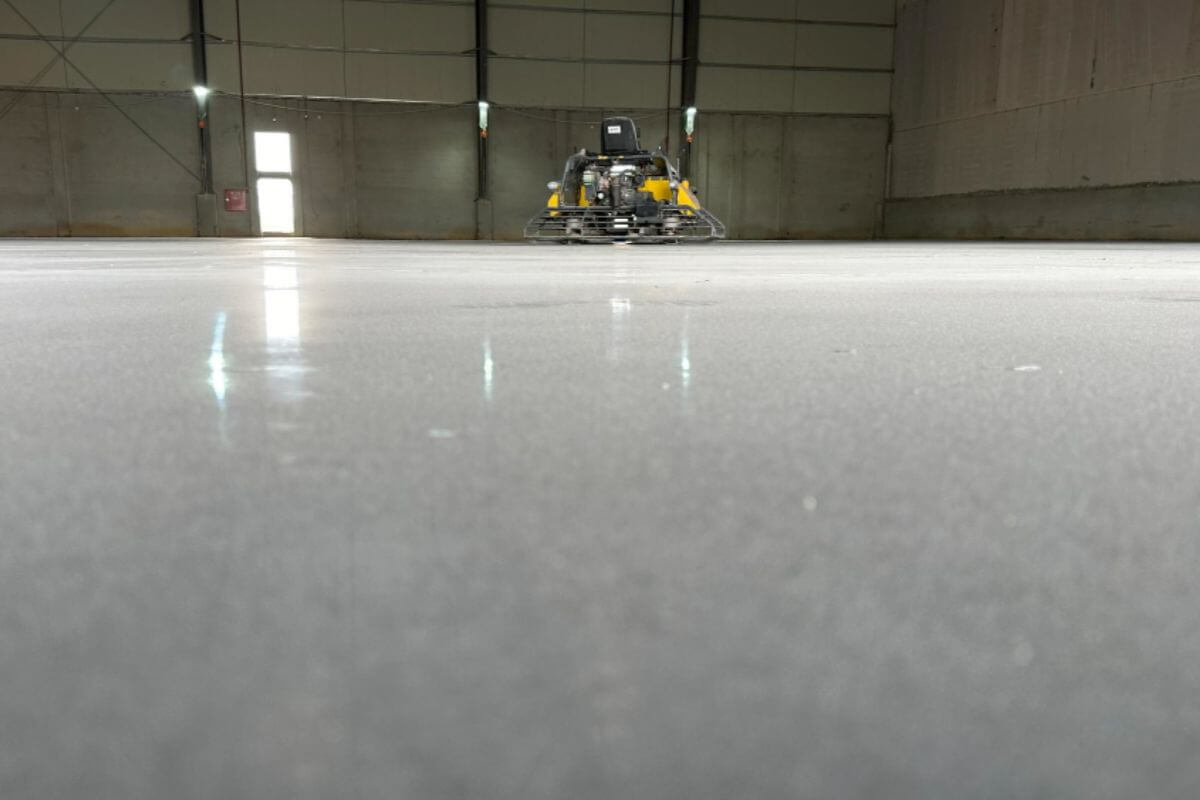
Different industries have unique flooring demands, and a resilient coating system meets these diverse needs.
- Warehouses: Heavy loads and constant forklift traffic require a floor that resists impact and abrasion while remaining easy to clean.
- Food Processing: Seamless, chemical-resistant surfaces ensure hygiene compliance while preventing corrosion from frequent washdowns.
- Automotive: Coatings withstand vehicle weight, oil spills, and thermal stress while maintaining safety and operational efficiency.
Key Takeaway
Investing in high-performance surfacing is a strategic move that protects your capital equipment and ensures long-term operational stability. Understanding how polyurethane flooring protects assets and equipment from damage allows you to move beyond temporary fixes and toward a permanent, resilient solution.
Flooring Solutions offers comprehensive support from site inspection to professional installation. Our durable systems withstand industry-specific challenges, keeping your facility safe, long-lasting, and visually appealing. Contact us today to protect your investment.