Find Out Why Industrial Floors Crack Under Heavy Machinery
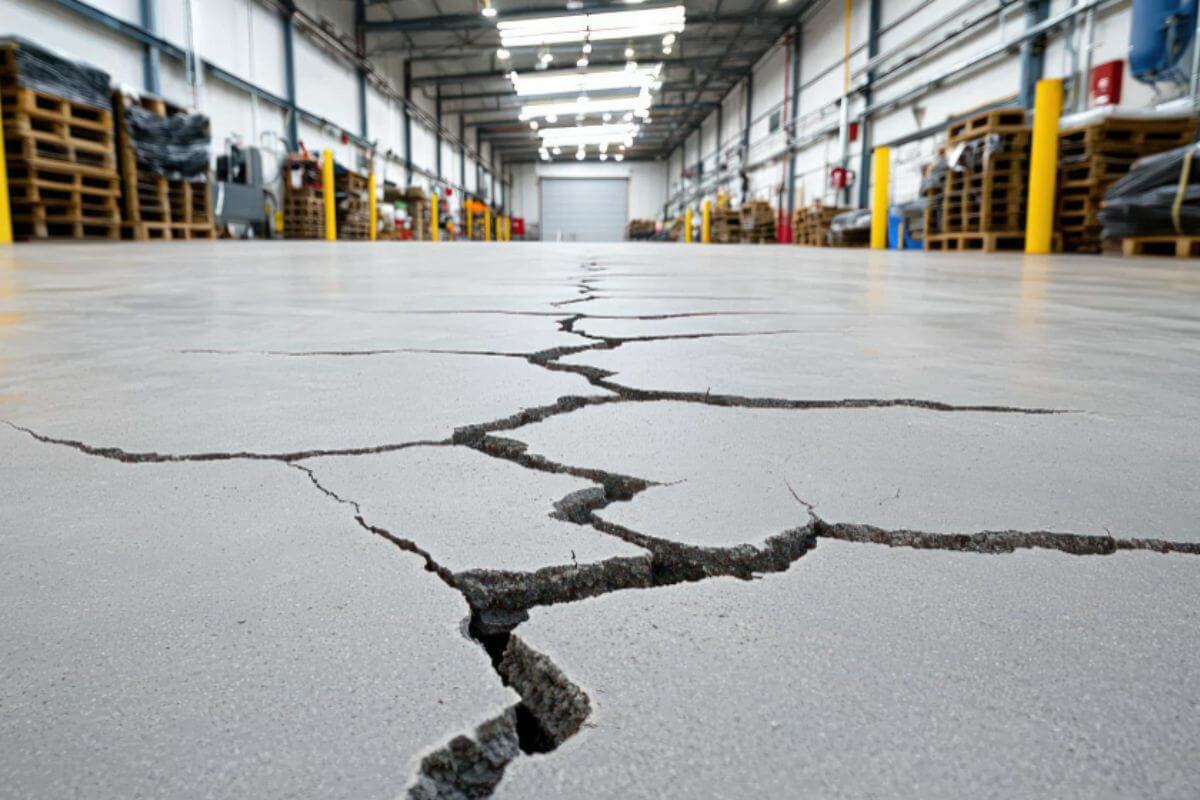
Why do industrial floors crack under heavy machinery?
- Overloading
- Subgrade and base issues
- Inadequate design and construction
- Vibrations
- Restraint
Overview
- Industrial floors support safety, efficiency, and productivity, but overloading, weak subgrades, poor design, vibrations, and restraint can cause cracks and structural issues.
- Preventive measures, proper design, protective coatings, and vibration control extend floor durability.
- Flooring Solutions provides tailored, high-performance industrial flooring systems to safeguard operations and reduce maintenance costs.
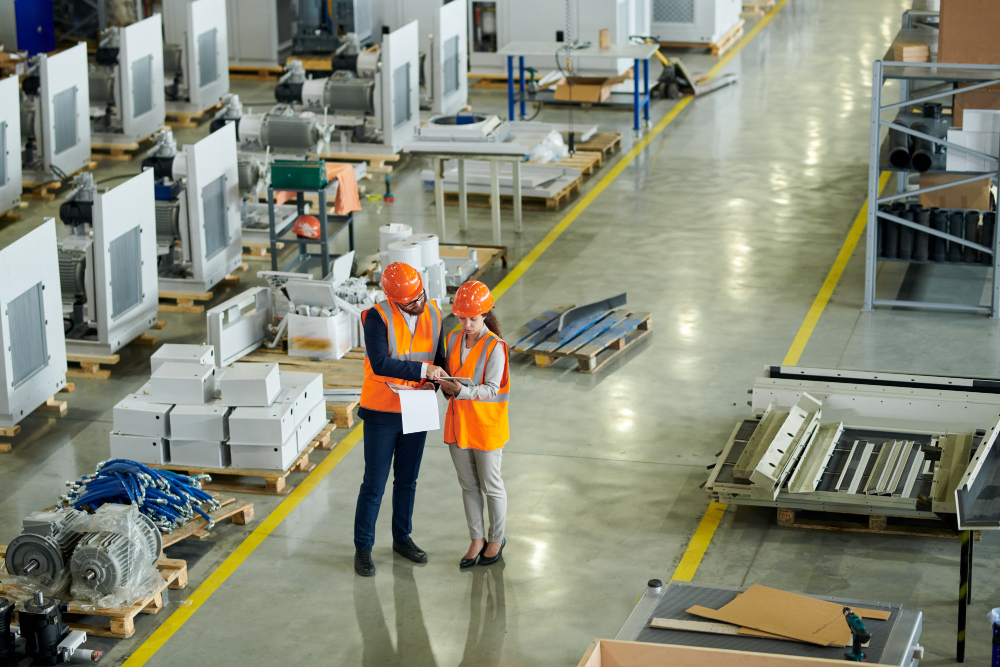
Industrial floors support operational stability, safety, and efficiency. Cracks can indicate structural issues, causing machinery misalignment, tripping hazards, and contamination risks, ultimately affecting productivity and increasing maintenance costs.
To help you understand the underlying causes, this article takes a closer look at why industrial floors crack under heavy machinery, the risks they pose, and how durable flooring solutions can prevent costly damage.
Overloading
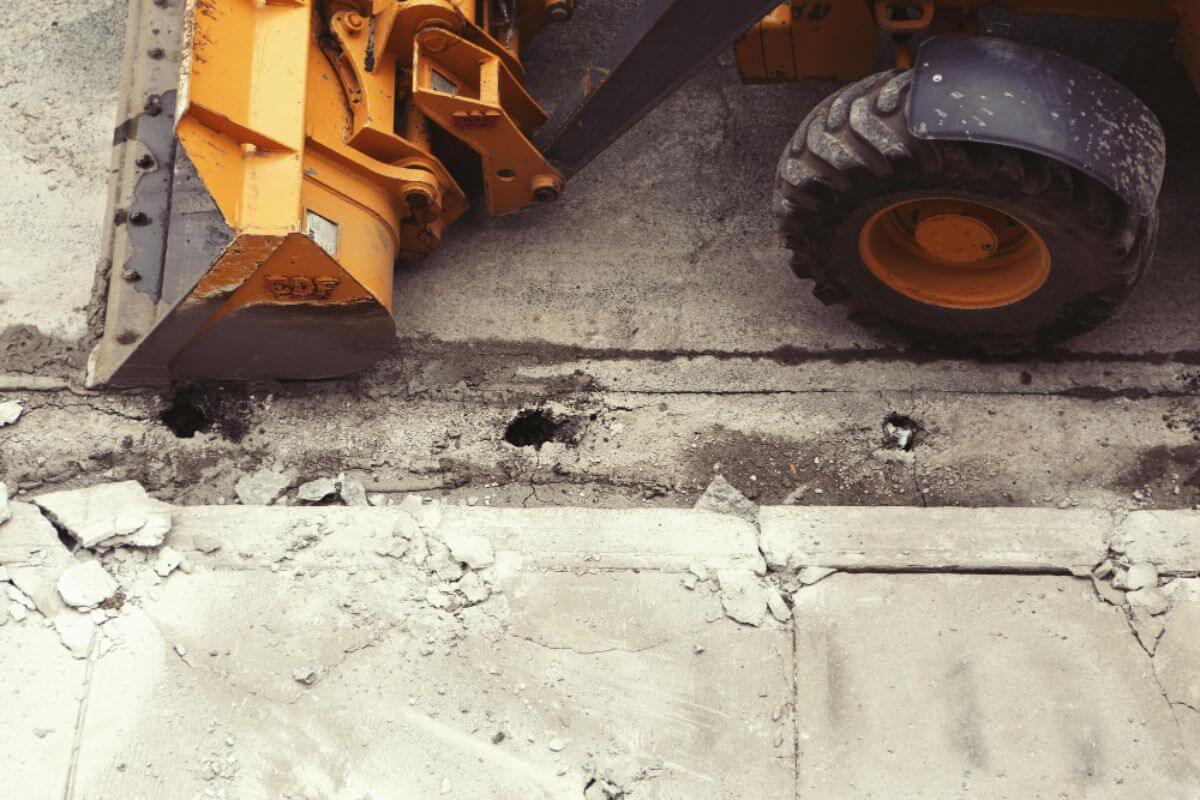
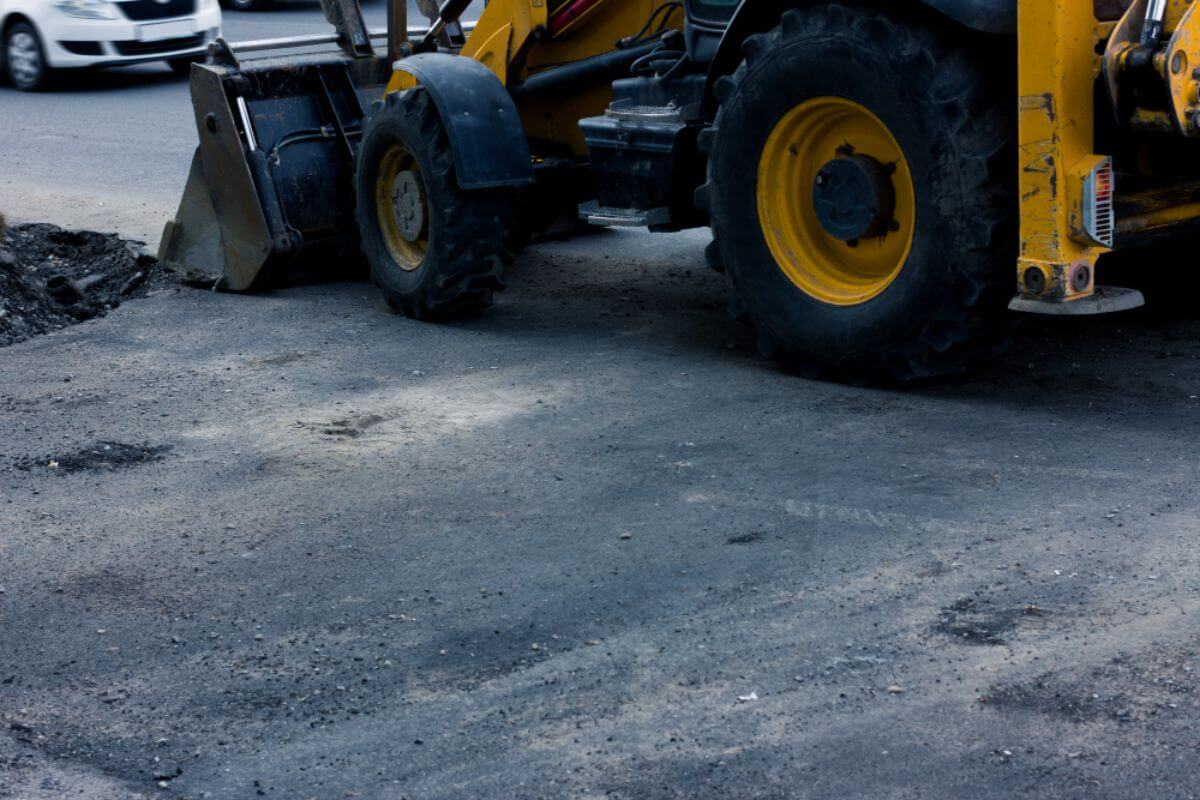
Exceeding an industrial floor’s design capacity can lead to serious damage. Heavy machinery, pallet stacks, or jackstands create concentrated pressure that may result in cracks, spalling, or uneven settling.
Even smaller loads from presses, forklifts, or CNC machines can gradually weaken the concrete and subgrade. Look for cracks near machine legs, uneven surfaces, or increased maintenance needs. Reinforcing load points and improving load distribution helps prevent major structural issues.
Subgrade and Base Issues
Weak or poorly drained subgrade and base layers can cause industrial floor cracks. Moisture accumulation or uneven compaction reduces load-bearing capacity, especially in wash-down areas or humid environments, leading to settlement and cracks that extend through the floor surface.
Typical signs include uneven slopes, cracks radiating from load-bearing zones, or persistent damp patches after cleaning. Addressing these with proper drainage, moisture barriers, and thorough base compaction prevents deeper structural failure.
Inadequate Design and Construction
Floors crack prematurely when the design or construction cannot support the actual loads and traffic. Inaccurate assumptions, insufficient thickness, weak reinforcement, or improper curing reduce durability.
Facilities with heavy equipment, narrow aisles, or variable loads are most affected, while thin overlays or mismatched materials fail under repeated pressure or temperature changes.
Cracking soon after installation, fissures along joints, or uneven transitions between finishes indicate poor design or workmanship. Aligning design with usage conditions and enforcing strict construction standards ensures long-term performance and safety.
Vibrations
Vibrations from heavy equipment and machinery are another key factor in why industrial floors crack under heavy machinery. Unlike static loads, dynamic forces from presses, conveyors, and compressors transmit continuous stress through the slab, weakening it over time.
Every vibration cycle creates microscopic movements that gradually loosen the concrete’s internal bonds. Without vibration isolation pads or resilient coatings, these microcracks expand and merge, leading to visible surface damage.
Spiderweb-like cracks near equipment bases, hollow sounds underfoot, or concentrated wear marks indicate vibration-related fatigue. Using vibration-resistant systems, such as epoxy or polyurethane coatings, maintains structural integrity even under constant operation.
Restraint
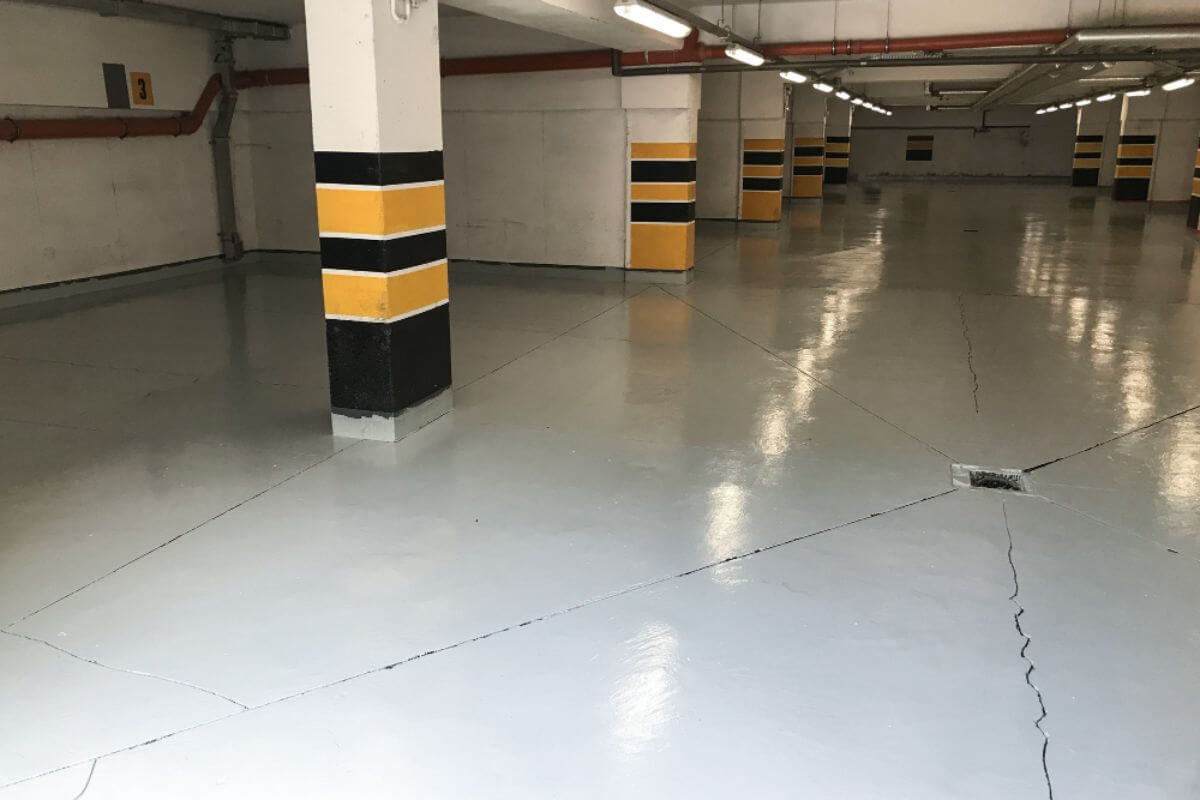
When a floor cannot expand or contract naturally due to missing or misplaced joints, rigid anchoring, or insufficient isolation details, internal stress begins to build. Temperature changes and load variations cause this trapped stress to eventually form cracks.
Over time, the stress appears as surface fractures or edge damage, particularly in areas exposed to heat, heavy machinery, or ground shifts. Without proper expansion joints, the floor cannot adjust, leading to repeated cracking.
Hairline cracks near joints, seasonal crack patterns, or spalling around edges often indicate restraint issues. Incorporating well-placed expansion joints and isolation layers allows controlled movement, preventing stress buildup and preserving the slab’s structural integrity.
How to Protect Your Floors from Future Damage
Industrial floors last longer when maintenance emphasizes prevention over repair. Conduct a facility-wide assessment to identify heavy load zones, vibration-prone areas, and moisture risks. Aligning floor design with actual usage—including load types, frequency, and equipment speeds—reduces stress and prevents cracking.
Durability improves even further with protective surface systems like epoxy resin coatings, which provide chemical resistance and wear protection. Combined with vibration-dampening measures, moisture control, and regular inspections, these improvements help sustain performance and reduce long-term repair costs.
Find Reliable Flooring Options for Your Facilities at Flooring Solutions
At Flooring Solutions, we understand that industrial floors are vital to safe, efficient, and continuous operations. That’s why we provide complete support—from site inspection and product selection to supply, installation, and maintenance—to help facilities build flooring systems made for long-term performance.
Our solutions meet the demands of heavy loads, chemical exposure, and constant activity. Whether you manage a warehouse, production plant, or logistics hub, we tailor options to your facility’s exact load, temperature, and process requirements. Each flooring system is engineered for strength, slip resistance, and low maintenance to ensure reliability every day.
With our technical expertise and hands-on experience, we help businesses install flooring that performs under pressure. Our reliable industrial flooring systems extend service life and protect your investment, keeping operations safe, stable, and productive.
Key Takeaway
Recognizing early warning signs allows you to proactively maintain your industrial floors, enhancing their durability and ensuring safe, efficient performance even under the most demanding conditions.
At Flooring Solutions, we understand the challenges of maintaining durable floors in demanding industrial environments. Our specialized flooring systems are engineered to withstand heavy machinery and prevent costly surface damage. Contact us today to learn how we can help you build safer, longer-lasting industrial floors!