Why Traditional Wall Materials Fail in Hygienic Environments
Overview
- Traditional wall materials’ porous surfaces, joints, and weak chemical resistance make them vulnerable to moisture, cracks, and microbial growth.
- Fiberglass Reinforced Plastic (FRP) panels provide a durable, non-porous, and chemical-resistant alternative that eliminates these weak points.
- FRP systems help facilities maintain hygiene, ensure compliance, and reduce operational costs.
Across the Philippines, many sanitary spaces still rely on traditional wall materials like tiles, concrete, and steel. These materials are familiar to contractors, widely available, and cost-effective, making them the default choice for construction projects over the years.
However, as hygiene standards tighten and contamination control becomes increasingly critical, these conventional walls often fall short. But why do traditional wall materials fail in hygienic environments where cleanliness is critical?
Understanding these limitations is the first step toward exploring more advanced wall systems that offer cleaner and smoother wall features that help facilities maintain hygiene standards more effectively.
What Are Hygienic Rooms and Why Do They Matter?
Hygienic rooms—often referred to as controlled or clean environments—are interior spaces engineered to maintain extremely low levels of contaminants, including particulates, microorganisms, and aerosols.
These settings are mandatory in industries like food production, pharmaceuticals, and laboratories, where contamination risks can lead to product recalls, serious health implications, or severe legal repercussions.
In these critical areas, every surface, from walls to ceilings, must actively support rigorous sanitation routines, helping to prevent cross-contamination and upholding the precise hygiene standards these industries require.
Common Traditional Wall Materials Used in Sanitary Facilities
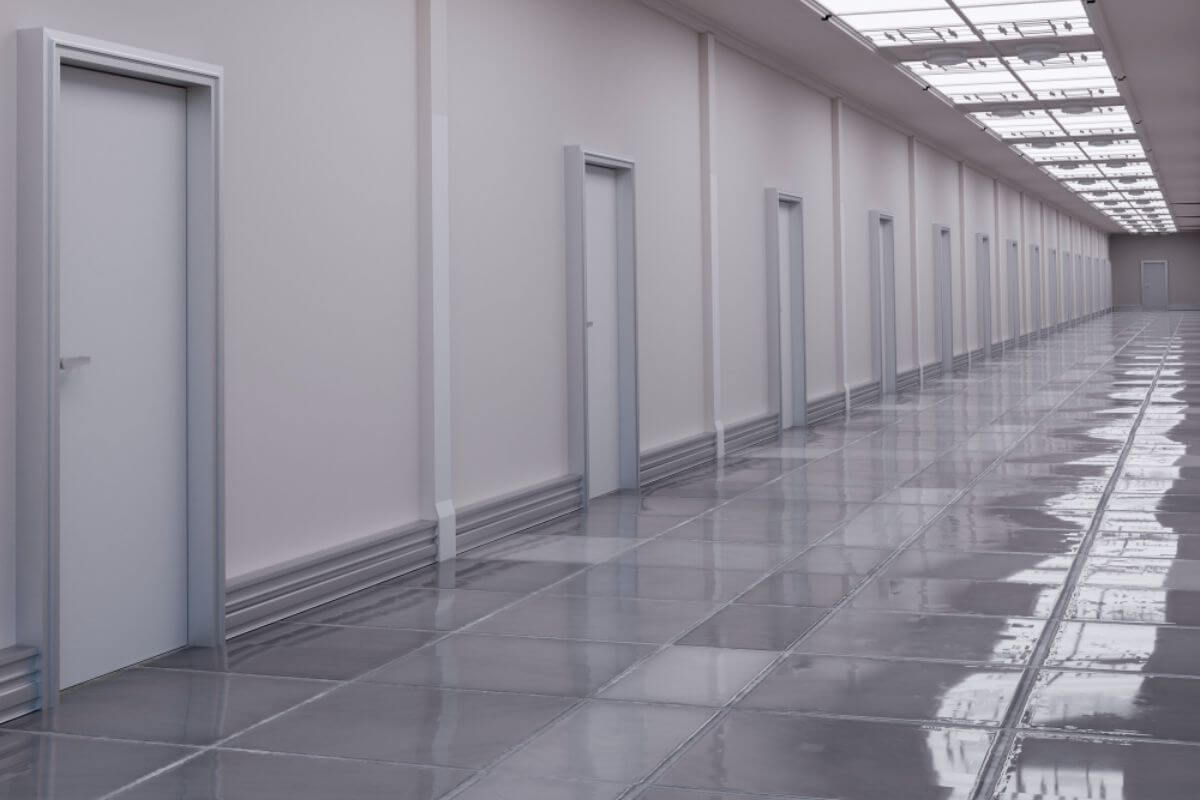
Traditional materials may satisfy basic structural needs, but they inherently struggle in environments demanding strict, repeatable sanitation:
- Tiles: Often selected for a polished, clean aesthetic, ceramic or porcelain tiles feature a hard, glazed, non-porous surface. This makes the face of the material resistant to liquids and stains.
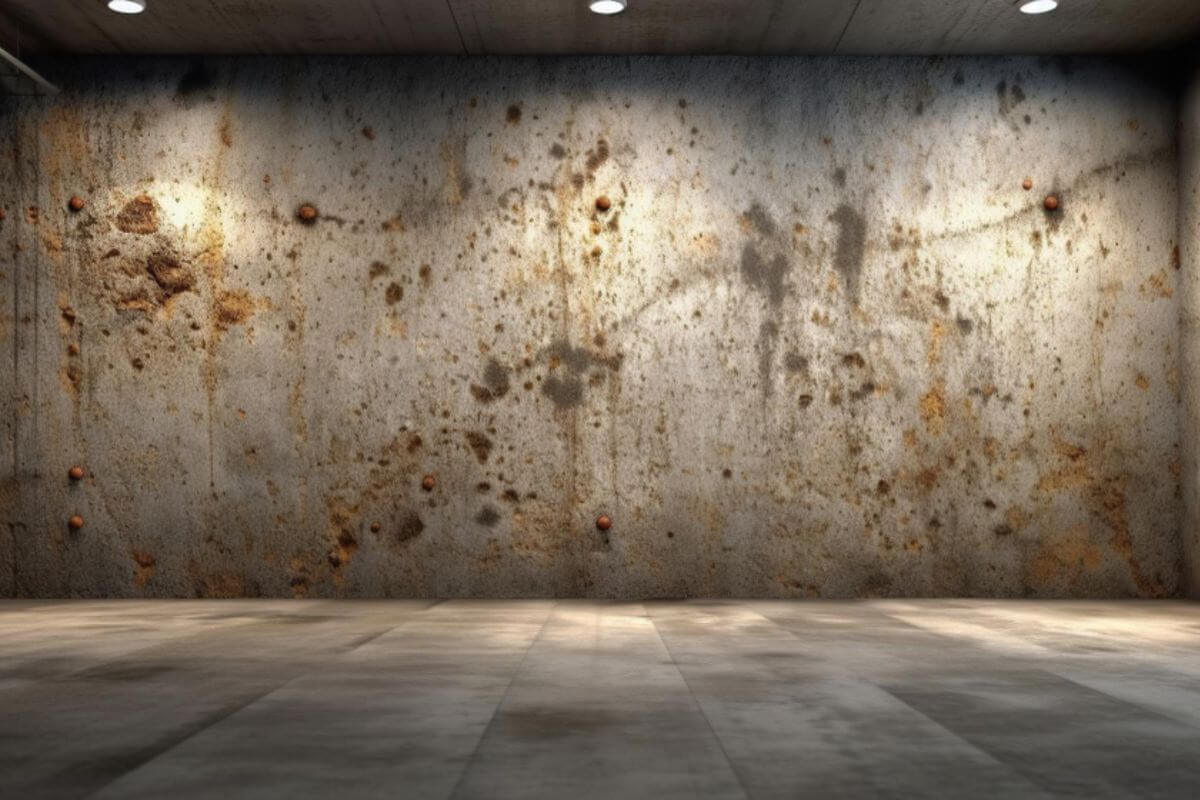
- Concrete: Frequently used as the foundational wall material. It may be left exposed or occasionally coated with a basic paint or sealant in utility areas.
- Painted Drywall / Plaster: A fast, cheap option, usually covered with a semi-gloss or epoxy-based paint to create a superficially smooth, ‘wipeable’ surface.
- Steel / Mild Steel Panels: Common in industrial processing or cold storage, mild steel offers high impact resistance. Requires a protective coating to prevent immediate rusting and must be frequently maintained.
- Wood / Timber: While low-cost, its highly porous nature and susceptibility to rot and moisture absorption make it unsuitable for any area requiring routine washdowns or sterile conditions.
Why Traditional Walls Struggle in Hygienic Environments
The issue with traditional wall systems isn’t how often facility staff clean them—it’s the material science. The harsh cycle of moisture, heat, and strong cleaning chemicals systematically breaks down these materials, exposing their fatal weaknesses.
Porosity
Materials like unsealed plaster, concrete, and the grout in tile assemblies are riddled with microscopic pores. These tiny structural gaps act like sponges, absorbing moisture, food particles, and residual cleaning chemicals.
Once contamination is deep within these pores, it creates an inaccessible incubator for mould, mildew, and bacteria that surface-level cleaning cannot eliminate.
Joints and Crevices
The seals on every grout line, sealant bead, and panel join are stressed by temperature shifts, building movement, and repeated chemical washdowns. This stress causes them to crack, shrink, or degrade, leaving behind tiny, sheltered microbial reservoirs that trap debris and moisture.
Because the cleaning tools cannot penetrate these fine lines, the integrity of the entire wall barrier is compromised, making complete sanitation impossible.
Vulnerability to Moisture
Consistent exposure to water from steam, condensation, and pressure washing accelerates material failure. This moisture causes paint to blister and peel, wood and drywall to soften and crumble, and mild steel to rust.
This degradation creates a perpetually rough, irregular texture that actively encourages the adhesion and growth of microbial films.
Lack of Chemical Resistance
Effective sanitization requires the use of strong, aggressive chemical agents—high-pH detergents, disinfectants, and even mild acids.
These chemicals are highly corrosive to conventional materials, actively attacking and eroding the protective surface layers of paint and the binders in tile grout.
This chemical scarring drastically shortens the material’s lifespan and reduces its ability to be fully sanitized.
Difficulty in Cleaning
As traditional surfaces fail, they become pitted, cracked, and rough. This rough texture dramatically increases the surface area for microbes to hide, leaving behind potential contamination risks.
Facility staff are forced to spend excessive time, labor, and resources attempting to deep-clean these damaged areas, leading to higher operational costs and an increased risk of failing critical hygiene audits.
Elevating Hygiene Standards with FRP Panels
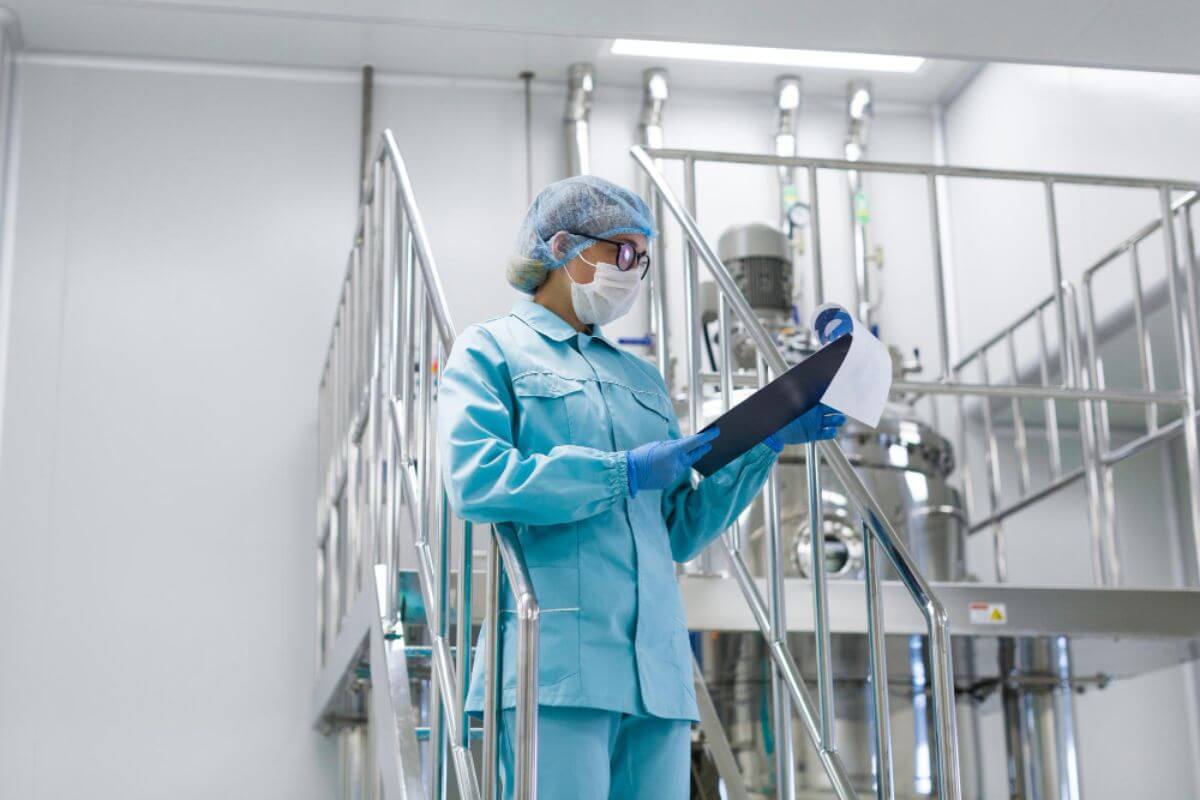
To solve the systemic failure of traditional walls, facilities must transition to solutions engineered for compliance and longevity. Fiberglass Reinforced Plastic (FRP) panels, such as the premium, non-porous systems from Flooring Solutions Philippines, are built to address every failure point listed above.
FRP is entirely impervious to moisture, withstands harsh chemicals without degradation, and is highly impact-resistant. In short, it’s the solution designed for the abuse that traditional walls just can’t handle.
When installed with seamless trim and specialized joint systems, it eliminates the porous surfaces and crevices that harbor pathogens, guaranteeing a high-performance, easy-to-clean environment that secures regulatory compliance and minimizes costly long-term maintenance.
Key Takeaway
For any business operating in a controlled environment, the walls should be an asset in infection control, not a liability.
Understanding why traditional wall materials fail in hygienic environments allows facility managers to transition from short-sighted, conventional construction to high-performance, long-lasting FRP panels, ensuring improved hygiene, reduced maintenance costs, and reliable compliance with regulations.
Ready to upgrade your facility with a wall system that actually works? Contact us at Flooring Solutions Philippines today to explore the industry-leading hygiene of VALTO FRP panels.