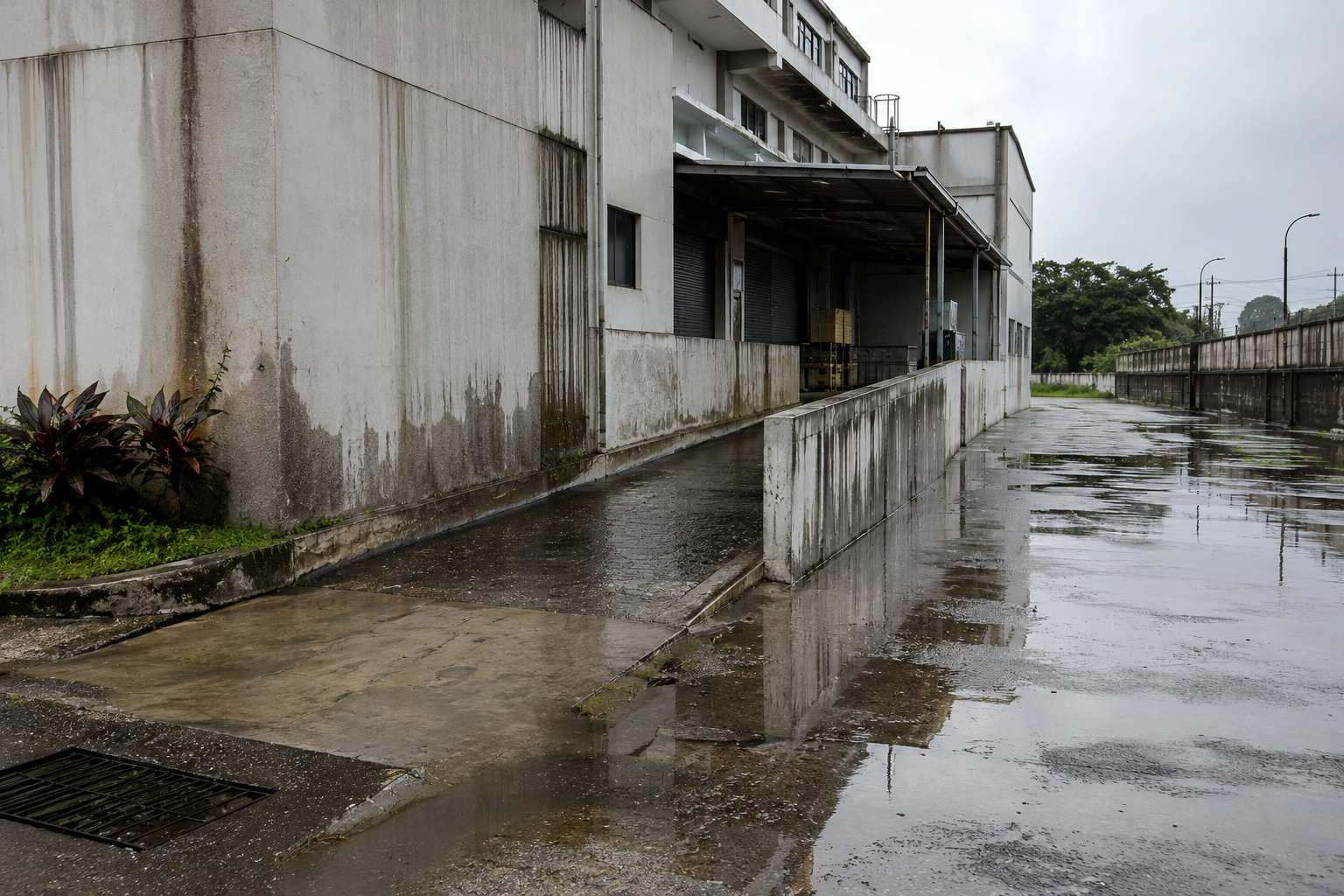
When to Upgrade Waterproofing Solutions in Philippine Buildings
When can you upgrade waterproofing solutions in Philippine buildings?
- Persistence of mold and dampness
- Visibility of surface degradation
- Occurrence of structural issues
- When the building is over 20 years old
- When codes are outdated
- Roof and joint failures
- During the summer season
Overview
- Waterproofing systems in Philippine buildings gradually weaken due to age, moisture, and environmental stress.
- Recognizing signs such as mold, structural damage, outdated systems, or roof failures helps property owners plan timely upgrades.
- Strategic waterproofing improvements protect structural integrity, prevent costly repairs, and ensure long-term building performance.
Have you ever wondered when you should upgrade waterproofing solutions for Philippine buildings?
Waterproofing rarely fails overnight; instead, its performance gradually declines because of exposure to moisture, environmental stress, and the natural aging of the products.
Determining the right time for waterproofing upgrades is essential to maintaining effective protection. Understanding the warning signs of declining performance allows you to plan strategically and prevent costly water damage before it occurs.
Flooring Solutions provides expert guidance and high-performance waterproofing systems, including cementitious, bituminous, epoxy, and membrane solutions. With professional installation and long-term support, we help protect roofs, foundations, and wet areas while supporting operational efficiency and sustainability goals.
Persistence of Mold and Dampness
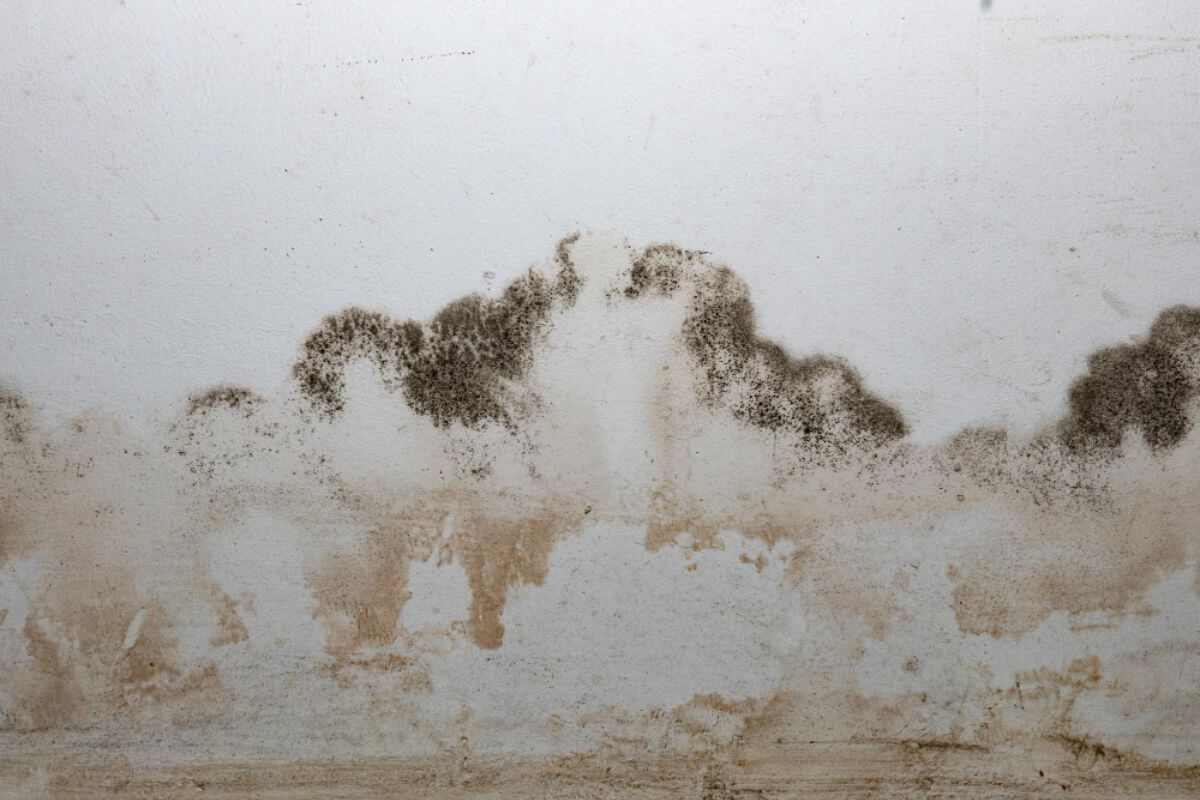
Persistent mold growth and damp conditions, even after cleaning or minor repairs, indicate that the existing waterproofing system is failing. This means moisture is penetrating the structure instead of being effectively blocked.
Flooring Solutions provides advanced waterproofing systems, including cementitious coatings, bituminous membranes, and epoxy solutions, to address moisture intrusion at its source. With expert consultation and installation, we help restore structural integrity, prevent future water damage, and support healthier indoor environments.
Visibility of Surface Degradation
Signs such as peeling coatings, cracked surfaces, discoloration, or crumbling items happen when moisture repeatedly penetrates the structure and weakens the surface layers. Once these forms of degradation become recognizable, it’s time to consider upgrading waterproofing solutions.
This early intervention helps prevent further structural damage and ensures that new protective systems are installed before moisture intrusion spreads to deeper parts of the establishment.
Occurrence of Structural Issues
Structural issues like cracks in walls, ceilings, or foundations are strong warnings that the current waterproofing solution is failing. Water infiltration can weaken concrete, steel, or wood, which compromises the integrity and safety of the building.
Reaching this point indicates that repairs may no longer work, making leveling up to a new water-resistant solution an essential. Resolving these concerns helps prevent further deterioration, minimizes emergency fixes, and extends the lifespan of the structure.
When the Building is Over 20-Year-Old
For structures that are 20 years or older, the original waterproofing solutions may have attained or surpassed their intended service life. Materials like membranes, coatings, or sealants naturally degrade over time due to exposure to humidity, UV rays, and temperature fluctuations that reduce efficiency.
Even in the absence of visible leaks, this is a prime opportunity to invest in a waterproofing upgrade. Proactive replacement of aging systems helps safeguard the structure against unexpected failures, maintain the building’s integrity, and ensure it meets current safety and performance standards.
When Codes are Outdated
If a structure has not been updated to adhere to newer construction codes, its waterproofing system may fall short of present policies. Older regulations lack needs for contemporary materials, installation strategies, and resilience against the country’s high rainfall and moisture.
Upgrading the waterproofing in such buildings ensures compliance with today’s safety and performance expectations. It also helps prevent moisture-related damage, extend the building’s lifespan, and bring the property up to current regulatory guidelines without waiting for problems to arise.
Roof and Joint Failures
When roofs, joints, or seams start demonstrating indicators of cracking, water pooling, or separation means the system is no longer performing optimally. These spots are the first points of failure because they encounter constant stress from weather, thermal expansion, and structural movement.
Upgrading the waterproofing at this point not only stops leaks from spreading but also reinforces weak areas before they result in bigger structural problems. By improving the protection at roofs and joints, building owners can enhance durability and reduce future repair expenses.
During the Summer Season
Lower rainfall and humidity allow surfaces to dry and coatings or membranes to cure adequately, ensuring optimal adhesion and long-term performance. Scheduling waterproofing work during summer eliminates disruptions to building operations, as projects can be completed more efficiently without weather-related delays.
Taking advantage of this season helps maximize the lifespan of the new waterproofing system while providing a more seamless installation.
Key Areas for Upgrade
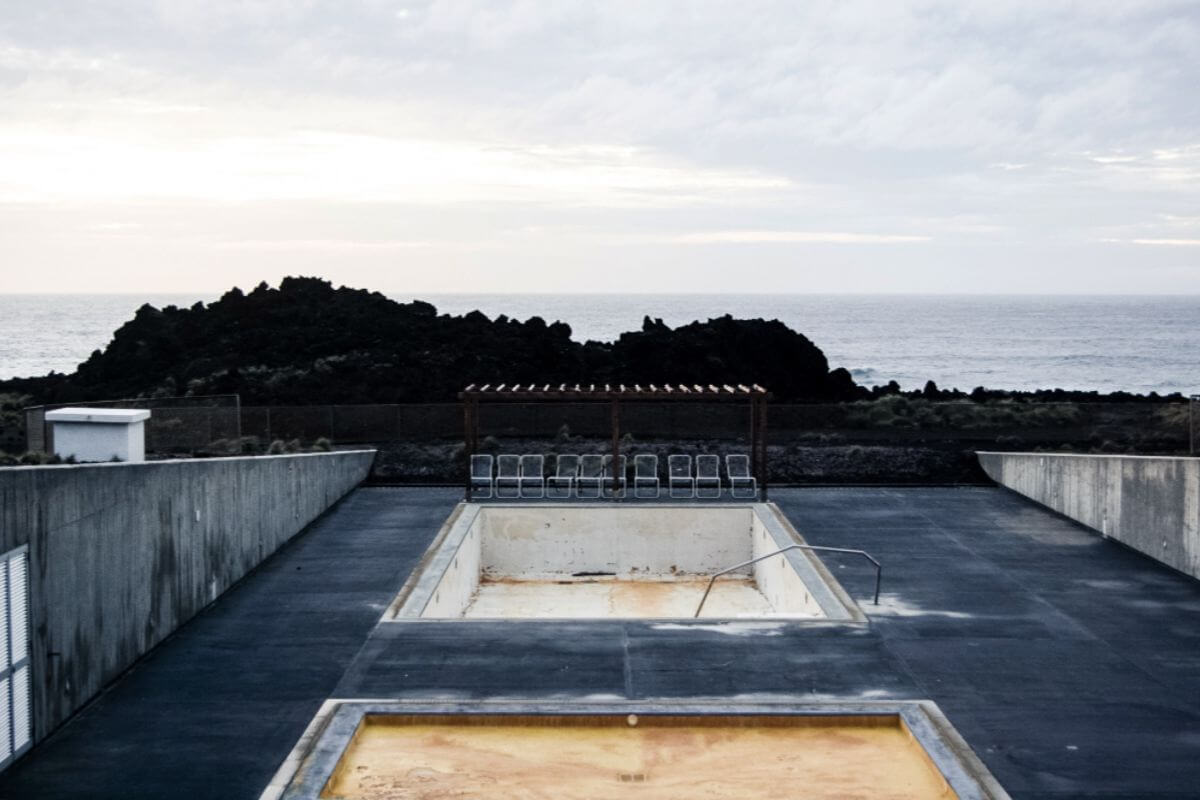
Focusing on essential points for upgrade ensures that repairs and enhancements deliver maximum protection, prevent recurring leaks, and extend the building’s lifespan. This section emphasizes the parts of a building that call for attention during an upgrade.
- Roof decks require waterproofing upgrades to protect against rain, UV exposure, and temperature fluctuations while preserving structural integrity.
- Basements and foundations need reinforced waterproofing to block soil moisture and groundwater, preventing dampness, mold, and structural damage.
- Wet areas like bathrooms, kitchens, and laundry spaces benefit from upgraded waterproofing to manage frequent water exposure and maintain hygiene.
Key Takeaway
Knowing when to upgrade waterproofing solutions in Philippine buildings is crucial for maintaining structural integrity, preventing recurring leaks, and avoiding costly repairs. That’s why Flooring Solutions offers expert products and specialized installation for structures to remain fully protected. Reach out to us today to learn more about our offerings.