Epoxy vs. Vinyl vs. Tile: Which Flooring Lasts Longer in Industrial Use?

Overview
- Epoxy, vinyl, and tile each offer different levels of durability and maintenance for industrial spaces.
- Differences in construction and performance affect how well each material handles traffic, impact, moisture, and daily use.
- Epoxy flooring provides a durable, seamless option for demanding facilities, with Flooring Solutions PH offering systems suited to specific project requirements.
Industrial facilities deal with both fragile products and heavy equipment. Flooring may not be the first thing considered when planning an industrial space, but it plays an important role in ensuring safe, efficient handling over the long term. But among common flooring types, which can withstand harsh conditions the longest?
Comparing epoxy flooring vs. vinyl flooring vs. tile is essential to finding a flooring system that meets your facility’s needs. Each material offers different levels of durability and practical advantages, but only one may provide the exact performance your base of operations requires. Continue reading to see how they compare for industrial use.
Epoxy Flooring
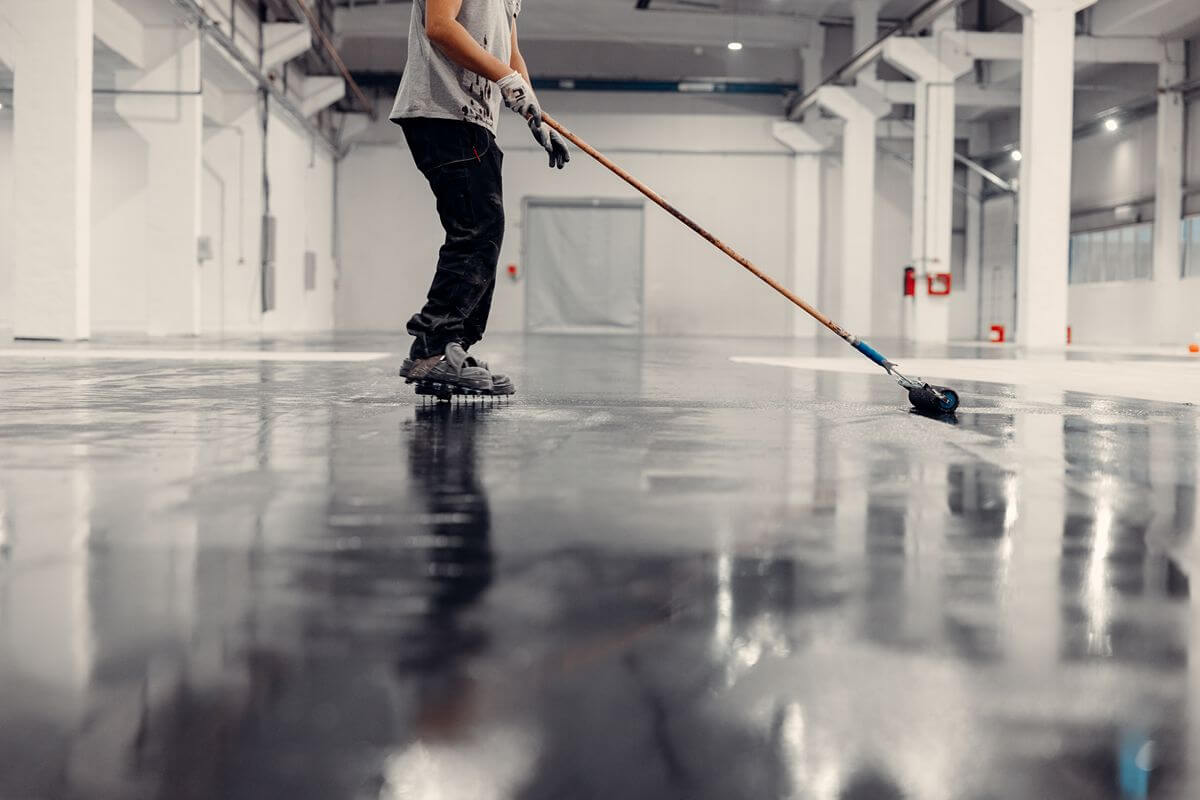
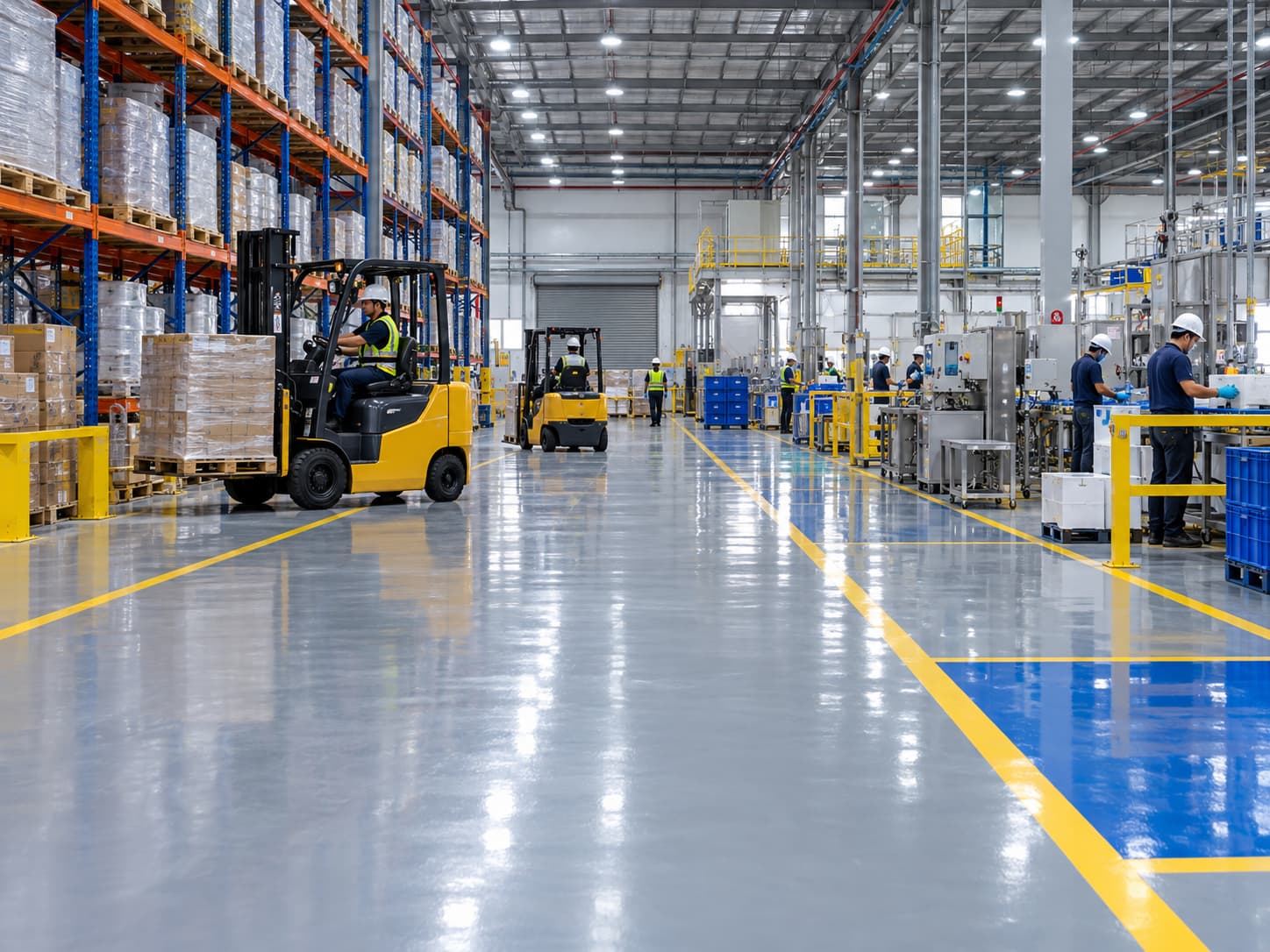
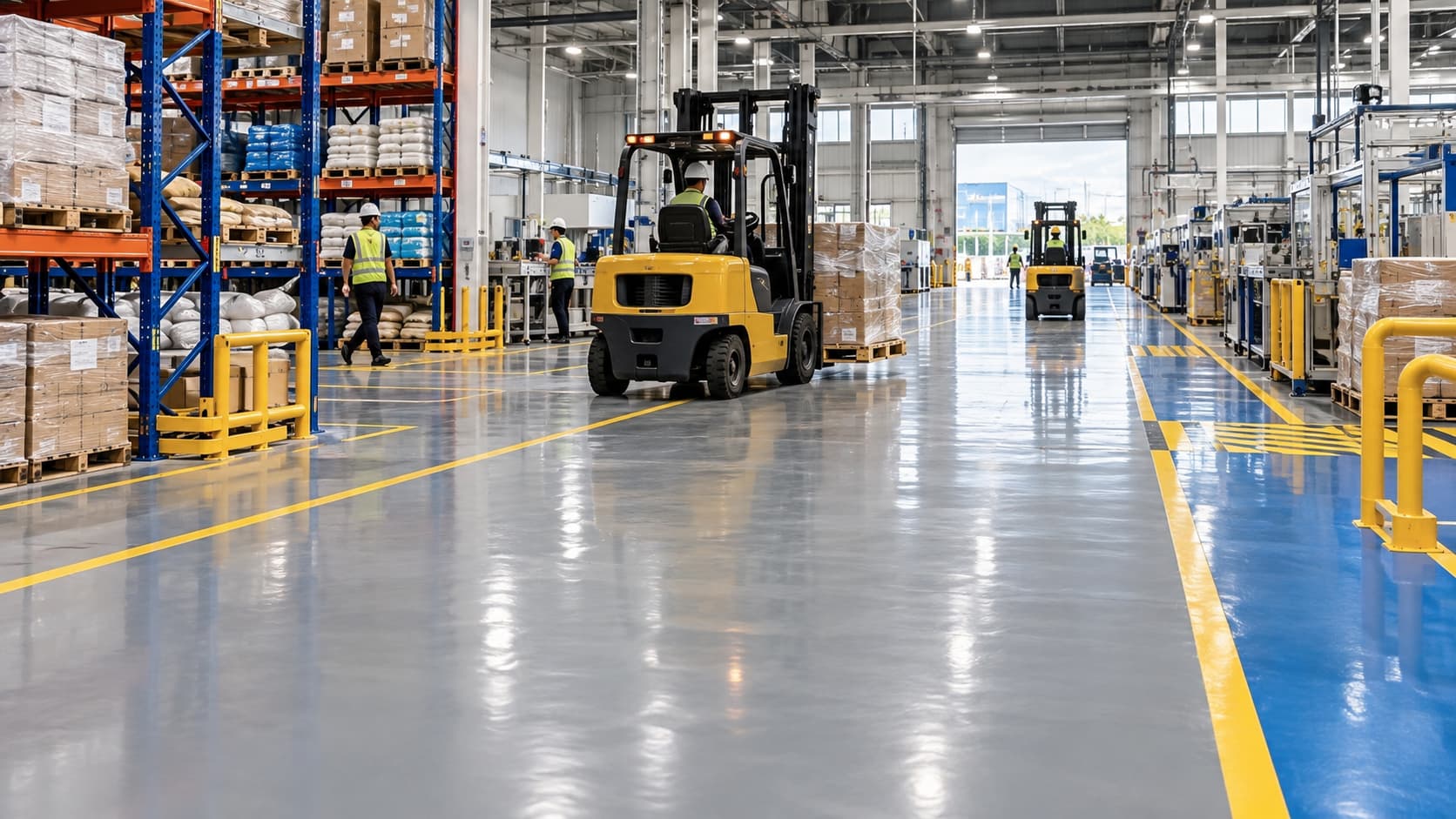
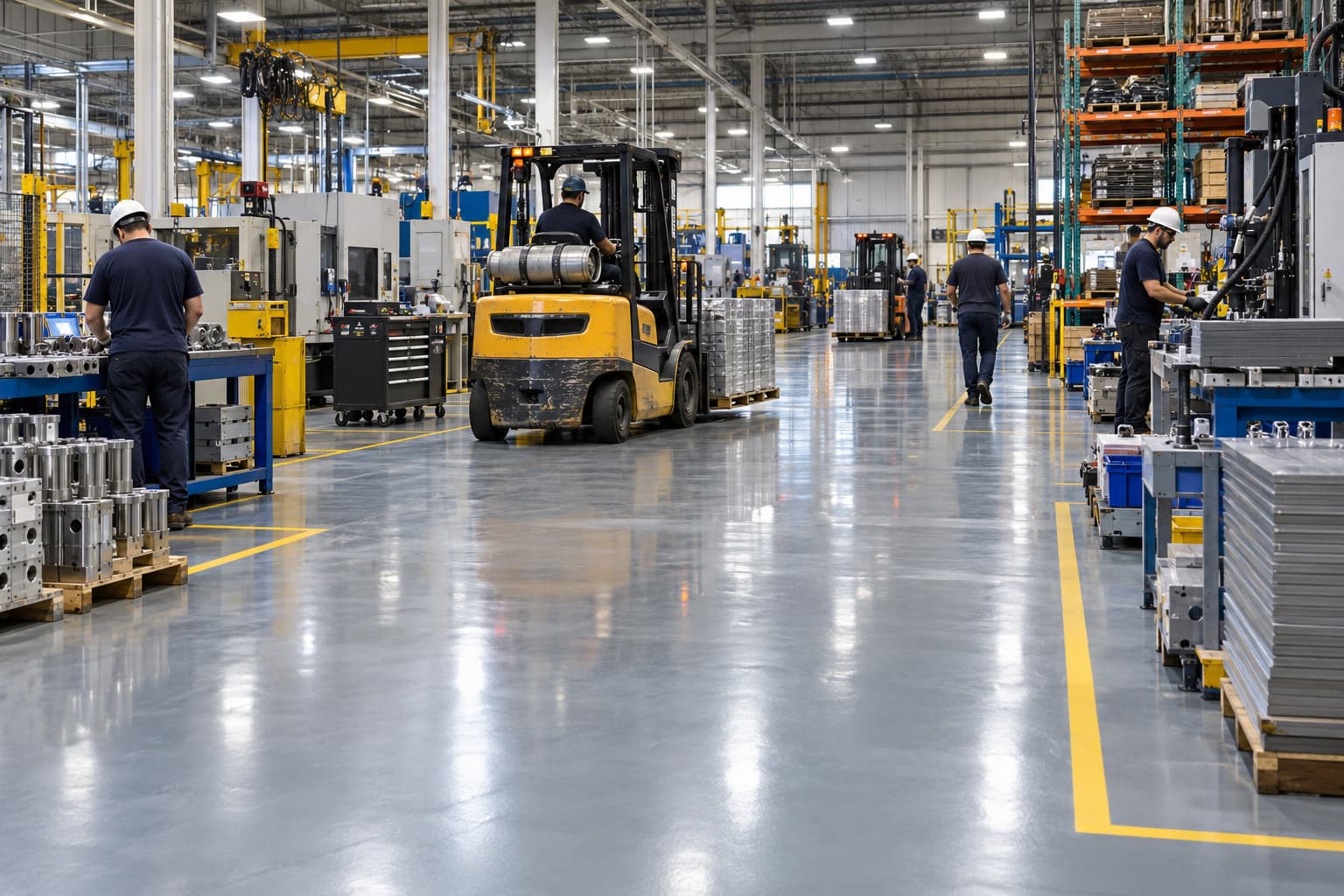
For facilities exposed to heavy tools and frequent equipment movement, the floor needs to withstand more than routine foot traffic. Epoxy creates a bonded, seamless surface that is designed to handle these pressures.
What It Is
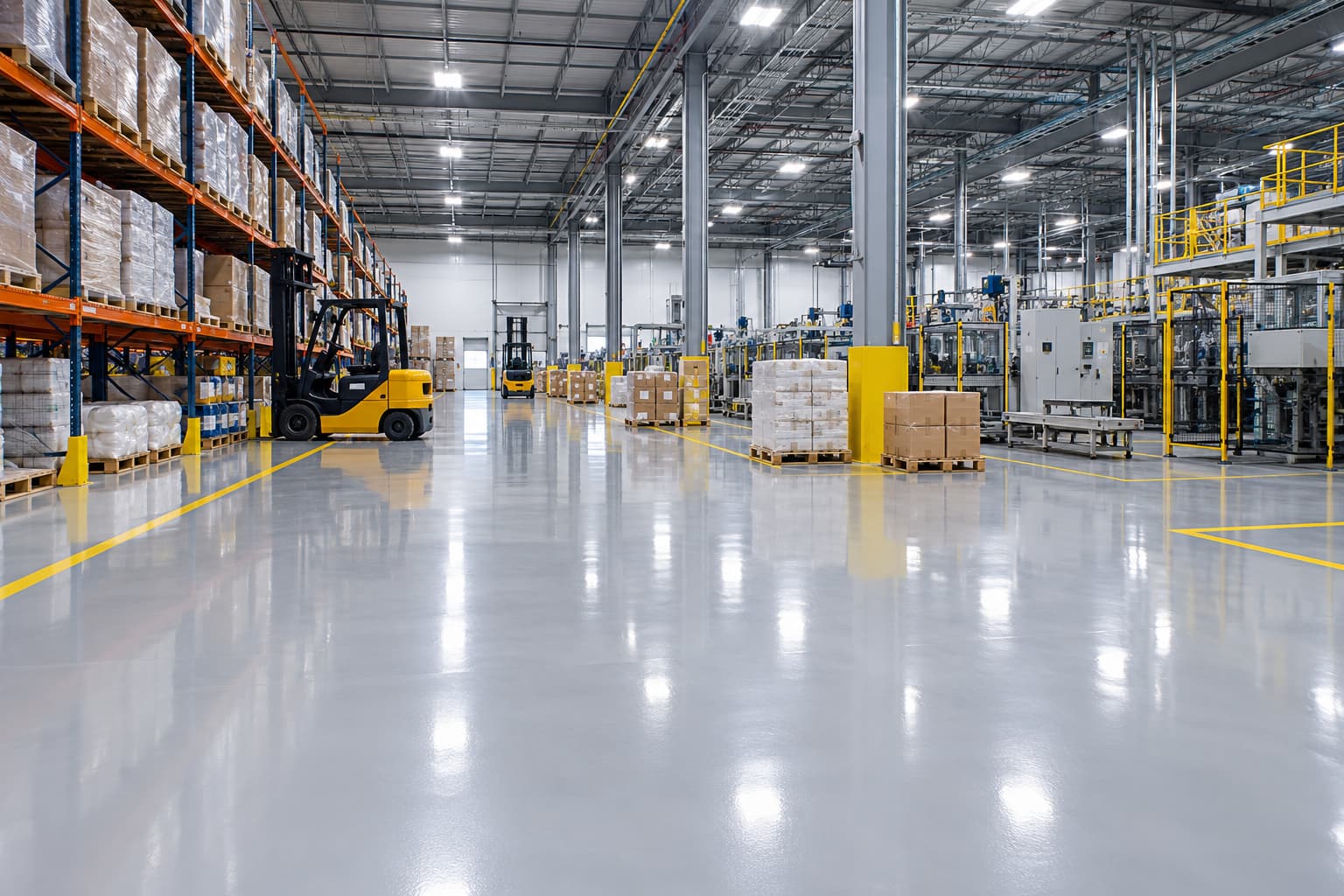
Epoxy flooring is a liquid resin system that is applied directly over a prepared concrete subfloor. Once cured, it forms a hard, seamless plastic-like surface that bonds firmly to the substrate.
Its bonded construction gives the floor a continuous finish without the separate pieces found in tile or the seams common with plank flooring. This creates a solid surface that can deliver consistent performance across large industrial floor areas.
Durability
Industrial floors face repeated stress from equipment and spills, making surface strength a key consideration. Epoxy provides a hard-wearing finish that withstands heavy traffic and impact while resisting chemicals and moisture.
The material’s resistance to common industrial hazards gives it an advantage in areas where ordinary flooring can deteriorate under harsh conditions. With the right formulation and installation, the system can deliver the mechanical and chemical resistance heavy-use facilities require.
Maintenance
A seamless epoxy surface leaves fewer places for dirt and debris to collect. Its smooth, non-porous finish makes routine sweeping and washing easier, helping facilities keep large floor areas clean.
Cleaning becomes especially practical in busy work environments where spills and accumulated dirt must be removed promptly. The continuous surface also eliminates grout lines that can require separate cleaning and upkeep.
Best Used In
Epoxy works particularly well in manufacturing areas and other high-traffic spaces. Its durability, resistance, and ease of cleaning also make it suitable for commercial and industrial environments.
Vinyl Flooring
Flexibility is one of vinyl flooring’s defining characteristics, giving it a different performance profile than rigid flooring systems. Its layered construction provides a resilient surface that can suit areas where comfort and minimal upkeep are critical.
What It Is
Vinyl uses synthetic PVC material to create a resilient flooring surface. It comes in planks, sheets, and tiles, with designs that can replicate materials like wood and stone. This makes it a practical option for spaces where a softer surface and varied visual styles are appropriate for the space.
Durability
Comfort is one of vinyl’s notable characteristics, but that flexibility can become a limitation under demanding industrial conditions. Heavy equipment and sharp impacts can leave cuts, tears, or indentations on its surface.
Maintenance
Vinyl generally requires little effort for routine cleaning, making it convenient for areas with regular but moderate use. Still, seams between vinyl pieces can trap dirt, and water can reach vulnerable areas. If left unaddressed, standing water can cause edges or seams to lift.
Best Used In
Vinyl is commonly suited to residential living areas and commercial spaces with low-to-medium traffic. It can be a practical choice for projects where budget and appearance matter, but it may not always provide the durability needed for demanding industrial environments.
Tile Flooring
Tile performance depends heavily on the material selected and how well the floor is installed. Its rigid surface can provide strong wear resistance, but joints and individual tiles can affect how the finished floor performs in an industrial setting.
What It Is
Tile flooring consists of kiln-fired ceramic or porcelain pieces installed over a suitable substrate. Installers set individual tiles in mortar or adhesive and separate them with grout lines that form the finished floor.
Durability
Ceramic and porcelain tiles provide a hard surface that withstands regular traffic and resists water exposure. Their rigidity, however, also makes tiles more susceptible to chipping or cracking from heavy impacts from dropped equipment or objects.
Maintenance
Regular cleaning keeps tile surfaces in good condition, but the grout requires additional attention. Dirt and stains can accumulate along grout lines, making these areas more difficult to clean than the surrounding tile surface.
Best Used In
Tile is well suited to bathrooms, kitchens, laundry rooms, and other areas where water and heat resistance are important. Ceramic and porcelain can provide a durable surface in these environments, but equipment requires careful handling to prevent damage.
Choosing the Right Floor: Epoxy vs. Vinyl vs. Tile Compared
Find the perfect flooring for your space by comparing durability, maintenance, and ideal use cases.
| Factor | Epoxy | Vinyl | Tile |
|---|---|---|---|
| Material | A liquid resin system that cures into a hard, seamless surface over concrete. | Flexible PVC flooring material available in planks, sheets, and tiles. | Consists of rigid ceramic or porcelain pieces installed with mortar or adhesive and grout. |
| Durability | Resists heavy traffic, impact, chemicals, and moisture. | Resists chemicals and moisture. Handles regular traffic but can suffer cuts, scratches, and dents. | Resists water and wear but can chip or crack from impacts. |
| Maintenance | Easy to clean with no grout lines or seams. | Easy to clean, but seams can collect dirt or lift. | Easy to clean, but grout requires additional upkeep. |
| Use Case | High-traffic industrial and commercial spaces. | Low-to-medium traffic residential and commercial spaces. | Wet areas such as bathrooms, kitchens, and laundries. |
Which Flooring Solution is Ideal For Industrial Use?
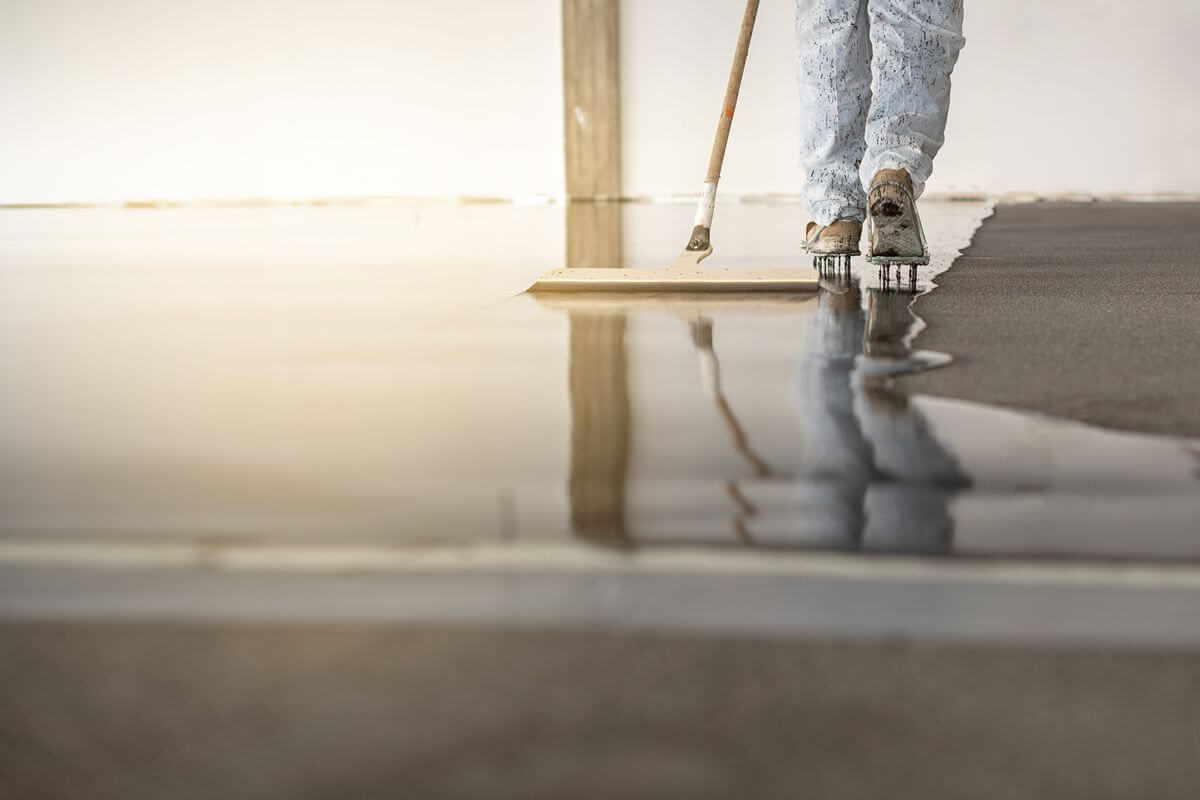
Epoxy flooring stands out for industrial spaces because it combines a hard-wearing surface with strong resistance to common sources of floor damage. Its seamless finish also makes daily cleaning easier, giving facilities a practical surface for demanding operations.
Flooring Solutions PH provides epoxy flooring systems selected to match each project’s conditions and requirements. From product specification through application, we help businesses invest in a flooring system suited to how their facility operates.
Key Takeaway
Choosing industrial flooring means considering how each material handles daily demands. Epoxy vs. vinyl vs. tile each has practical uses, but their differences in durability make some systems better suited to facilities with differing demands.
For industrial spaces that need a hard-wearing and easy-to-maintain surface, epoxy flooring provides a practical solution. Flooring Solutions PH can help you select an epoxy system suited to your facility’s operating conditions and flooring requirements. Contact us today to find the right system for your base of operations.