How to Evaluate Waterproofing Systems Before Starting a Construction Project
How to evaluate waterproofing systems before starting a construction project?
- Site and structure assessment
- Substrate preparation evaluation
- System and material evaluation
- Technical and project constraints
- Quality assurance pre-checks
Overview
- This article explains the importance of evaluating waterproofing systems early in construction to prevent costly repairs and operational disruptions. It highlights key factors such as site conditions, surface preparation, material selection, installation constraints, and quality assurance.
- Proper planning ensures better durability, reduced risk of leaks, and long-term protection for industrial and commercial buildings.
Waterproofing is much easier to plan at the start of a project than to repair once leaks or moisture problems appear. Once a building is already in use, correcting these issues can involve costly repairs, damaged finishes, and even disruptions to daily operations.
A waterproofing system should match the building’s site conditions, expected water exposure, surface condition, and long-term use. This is especially important for industrial, manufacturing, and public infrastructure projects that face heavy use, constant exposure, and strict maintenance needs.
So, how can you evaluate waterproofing systems before starting a project, and why does this process matter? Keep reading to learn more.
Site and Structure Assessment
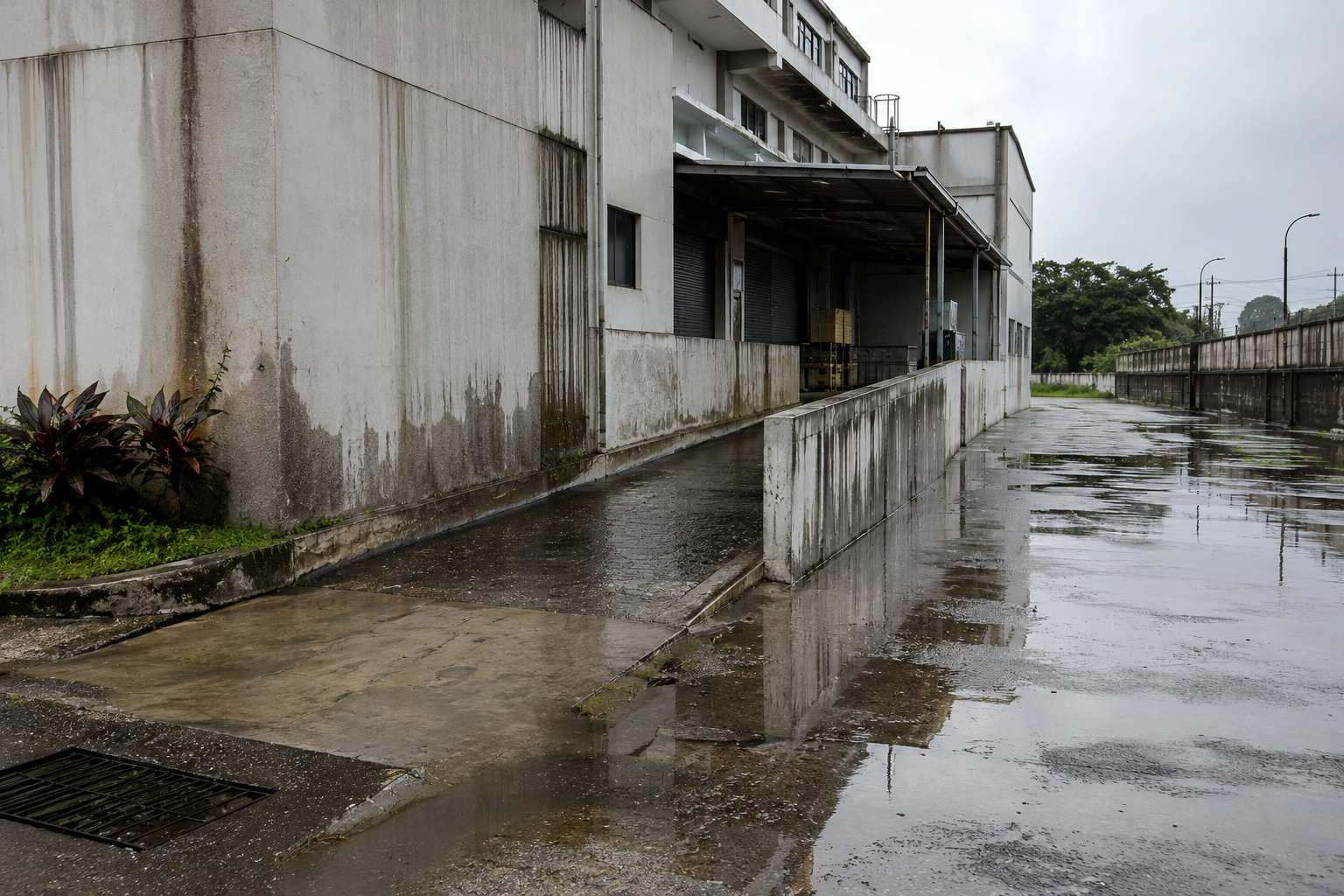
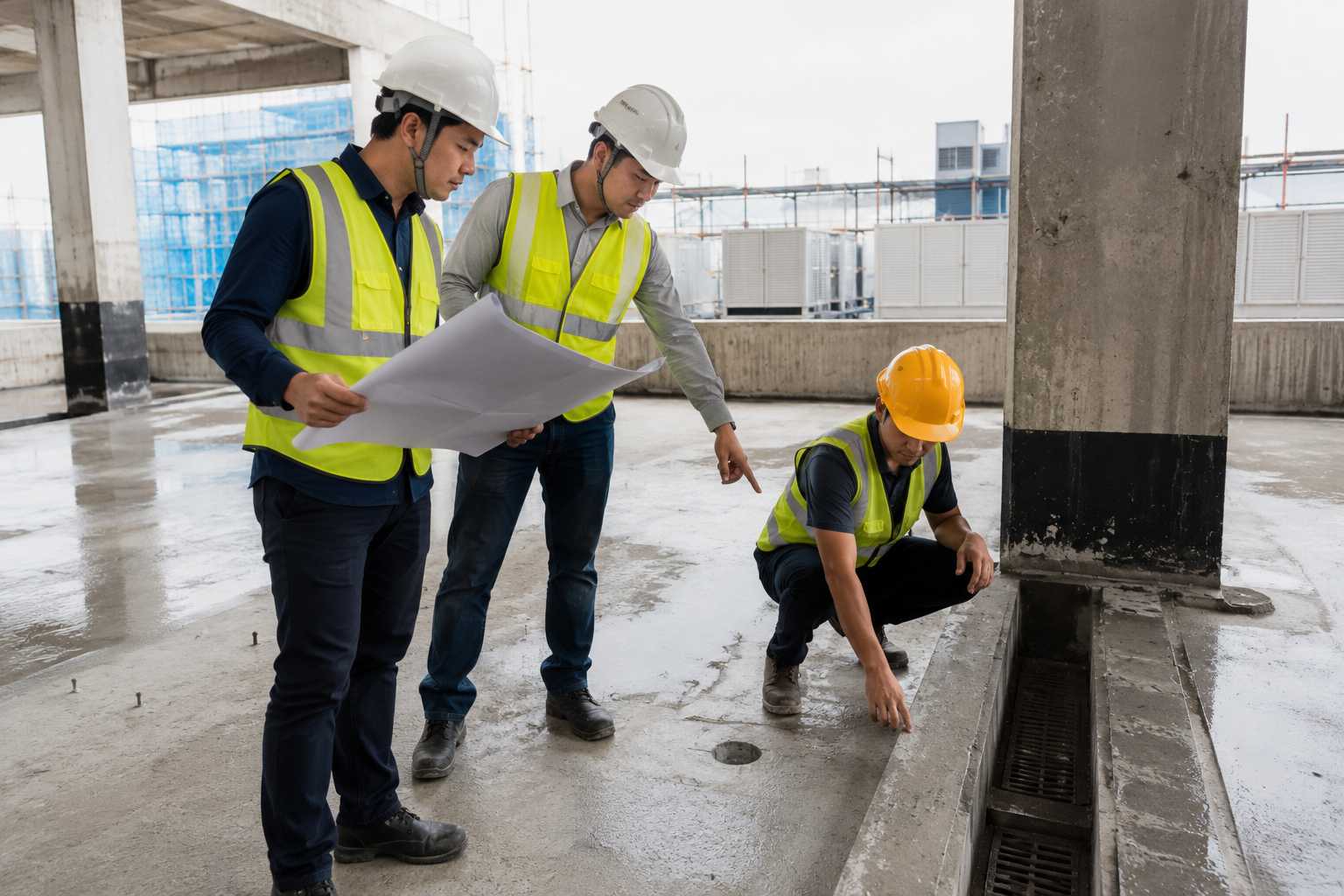
Every site has different conditions that can affect how a waterproofing system performs. So, before choosing a product, project teams need to assess the structure, the surrounding environment, and the areas where water is most likely to collect, enter, or create pressure.
A key consideration is identifying the type of water exposure affecting the structure. Water may enter from external sources such as rain on roof decks, groundwater pressure on basement walls, or moisture on exposed facades. In other cases, internal conditions and limited external access can also contribute to moisture buildup.
Understanding these site-specific conditions early allows project teams to select a waterproofing system that matches actual exposure risks, helping to minimize leaks, reduce rework, and prevent premature system failure.
Substrate Preparation Evaluation
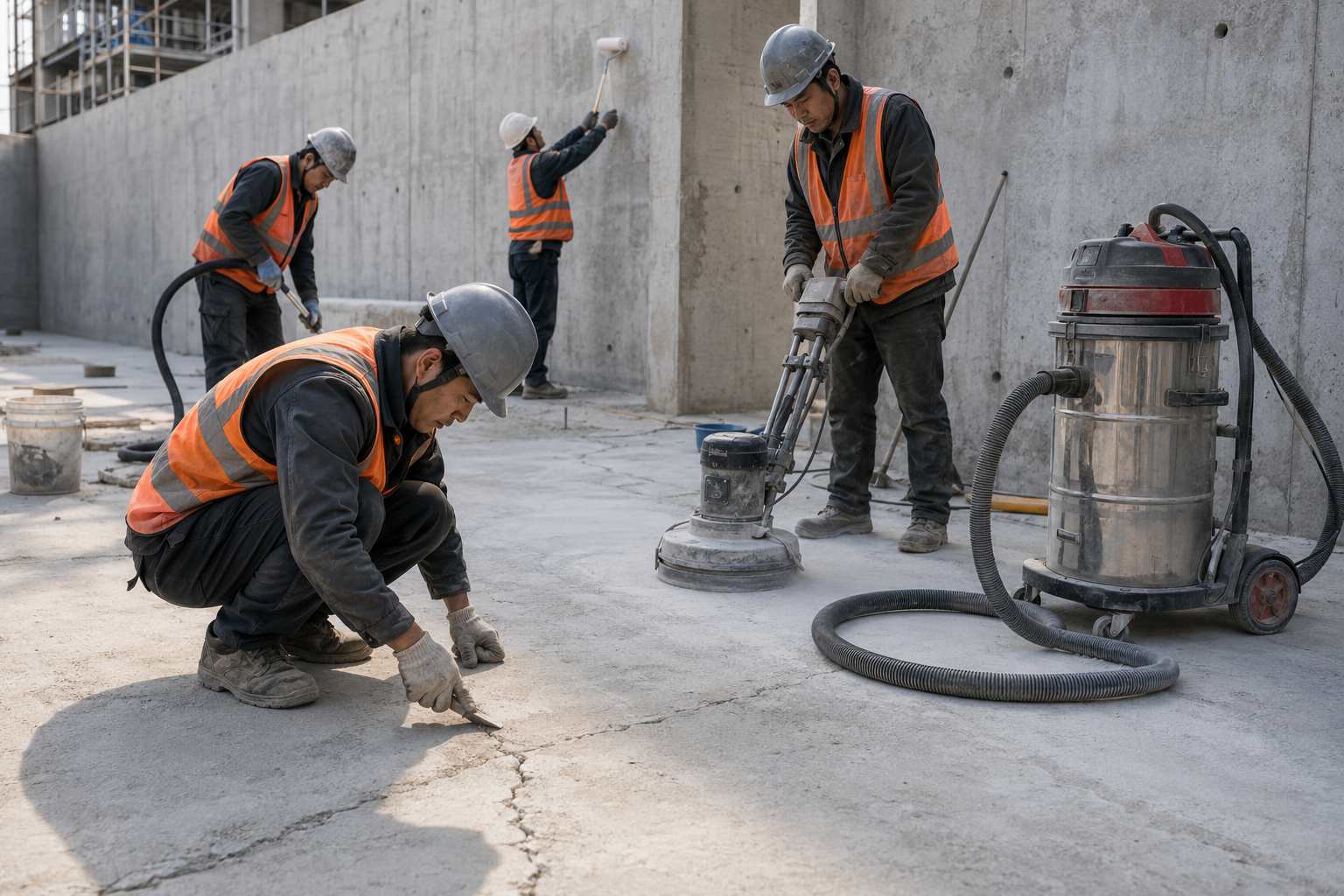
A waterproofing system can only perform well if the surface is ready for it. Before application, the concrete or substrate should be clean, stable, and dry enough to allow the coating or membrane to bond properly.
Dust, oil, loose concrete, or old coatings may weaken adhesion. And when moisture or pressure is later applied, these weak areas may lead to peeling, blistering, or delamination. That is why surface preparation may include grinding, short-blasting, high-pressure water jetting, or vacuuming.
Excess moisture and visible cracks may require epoxy, polyurethane, or resin injection before waterproofing begins.
System and Material Evaluation
In the Philippines, flat roofs, exposed decks, and balconies often face strong tropical sun, heat, rain, and temperature fluctuations. Over time, UV exposure can make some coatings brittle, cracked, or less flexible, which may affect their adhesion and waterproofing performance.
This is why evaluating the material based on where it will be applied matters. If the surface is exposed to direct sunlight, a PU waterproofing from Flooring Solutions helps create durable, flexible waterproof barriers that withstand temperature changes and UV exposure. It can be applied to flat roofs, basements, foundations, balconies, and decks.
We also offer Torch-Applied Bituminous membranes, another strong membrane system that uses heat application with good resistance to UV exposure and environmental wear. They can support long-term protection for commercial, industrial, and residential structures.
Technical and Project Constraints
Each waterproofing system has its own installation method, site requirements, and safety considerations. Before selecting a system, project teams need to check whether the site, workers, and schedule can support proper application.
For example, torch-applied bituminous membranes require trained crews, fire-watch procedures, and strict site control because they use open flame during application. This may not be suitable for areas where fire risk or open-flame work is restricted.
Cold-applied liquid membranes or peel-and-stick sheets may be easier to apply in tight or complex areas. They are also more practical around pipe penetrations, corners, joints, and other detailed surfaces.
Quality Assurance Pre-checks
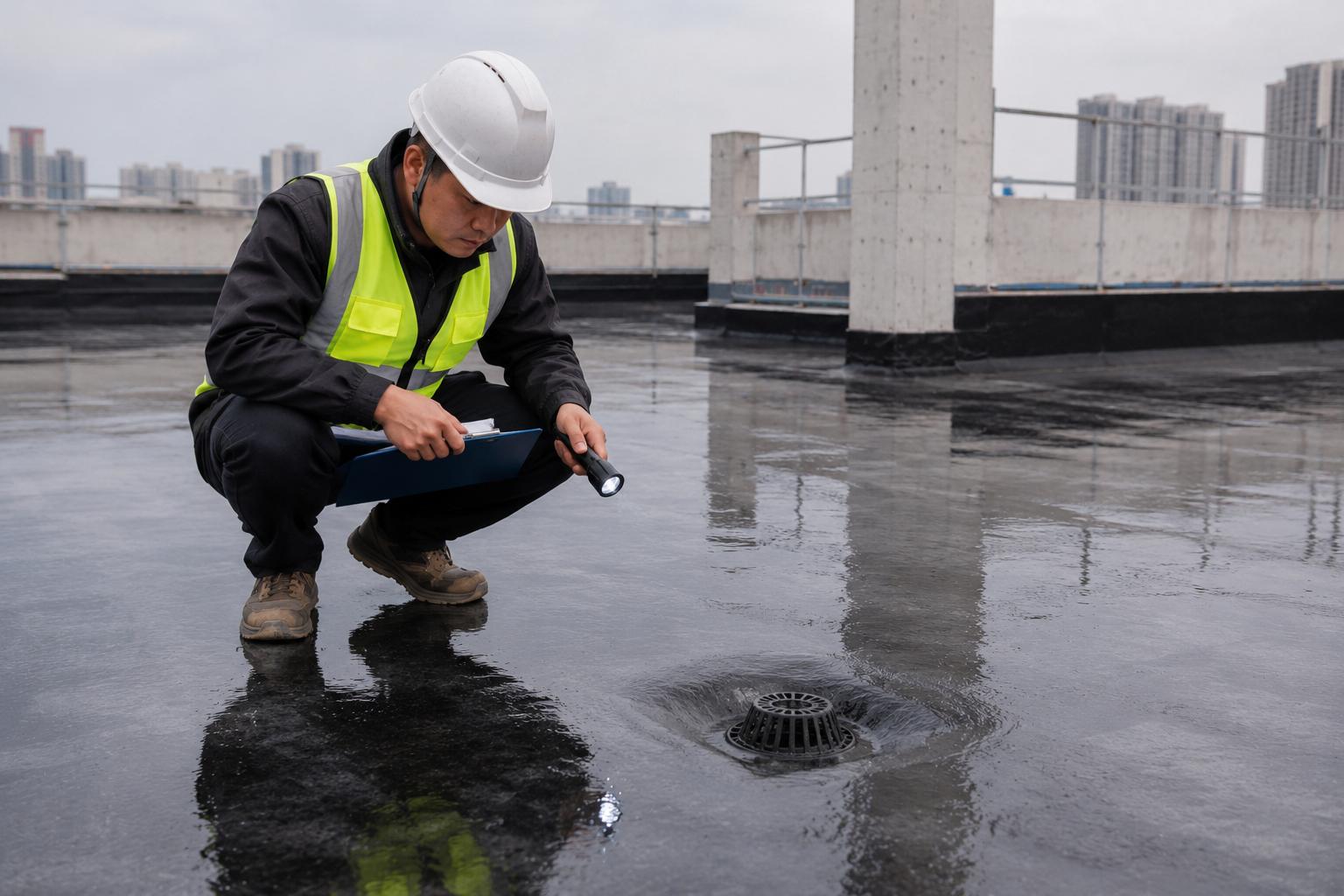
Quality assurance pre-checks help make sure the waterproofing work is ready before installation begins. A pre-construction meeting is a good starting point. This allows the manufacturer representatives to review the materials, design details, work sequence, substrate condition, and quality requirements.
Protection measures also need to be planned early. After the waterproofing membrane is applied, it can still be damaged by backfilling, concrete work, tools, or foot traffic. Protection boards, such as bitumen-impregnated or polypropylene boards, help shield the membrane while other construction activities continue.
Additionally, a 48-hour flood test, or a similar water test, helps check if the waterproofing layer is properly sealed. This allows leaks or weak points to be fixed before finishing, slabs, or other layers are installed.
Key Takeaway
Knowing how to evaluate waterproofing systems before starting a project helps teams make better decisions before materials are installed and site work becomes harder to correct. By checking the site, surface condition, system type, installation limits, and quality controls early, you can avoid common waterproofing issues.
For industrial, commercial, and infrastructure projects, Flooring Solutions offers waterproofing systems to meet diverse site requirements.
To choose the right system for your project, contact us now!