How to Prevent Waterproofing System Failure in Commercial and Industrial Projects
Overview
- Waterproofing failure is rarely caused by one issue alone. In most commercial and industrial projects, it happens because several steps were missed or rushed.
- A concrete surface may not be prepared properly. The selected material may not match the site’s actual exposure. Moisture testing may be skipped. The application may not follow the required curing, detailing, or thickness standards. Maintenance may also be delayed until leaks, blisters, or surface deterioration become visible.
- In the Philippines, waterproofing in commercial and industrial buildings is especially important because humidity, heavy rainfall, and water seepage can contribute to corrosion, mold growth, concrete cracking, and structural deterioration. Preventing failure means treating waterproofing as a complete system, not just a product.
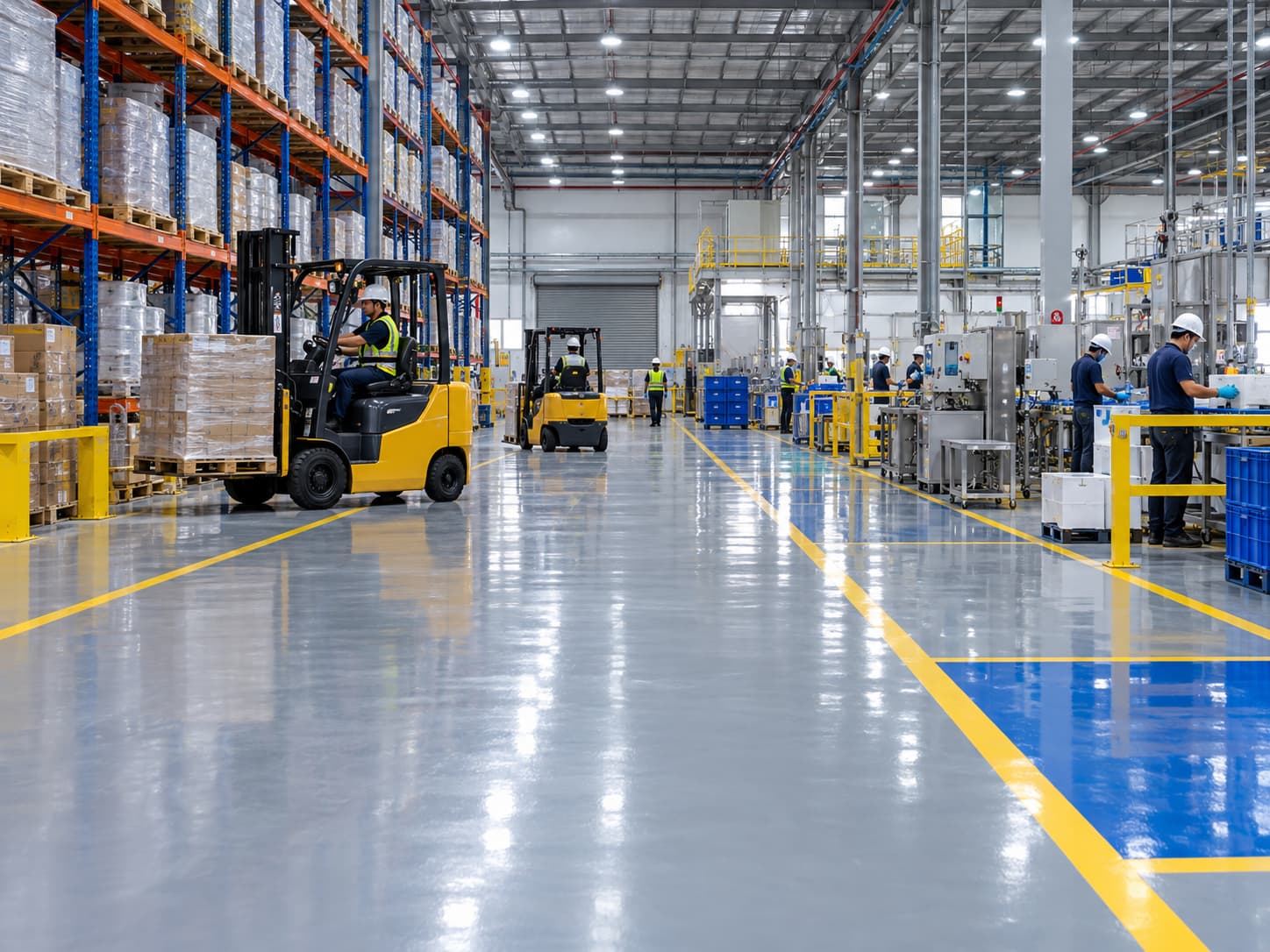
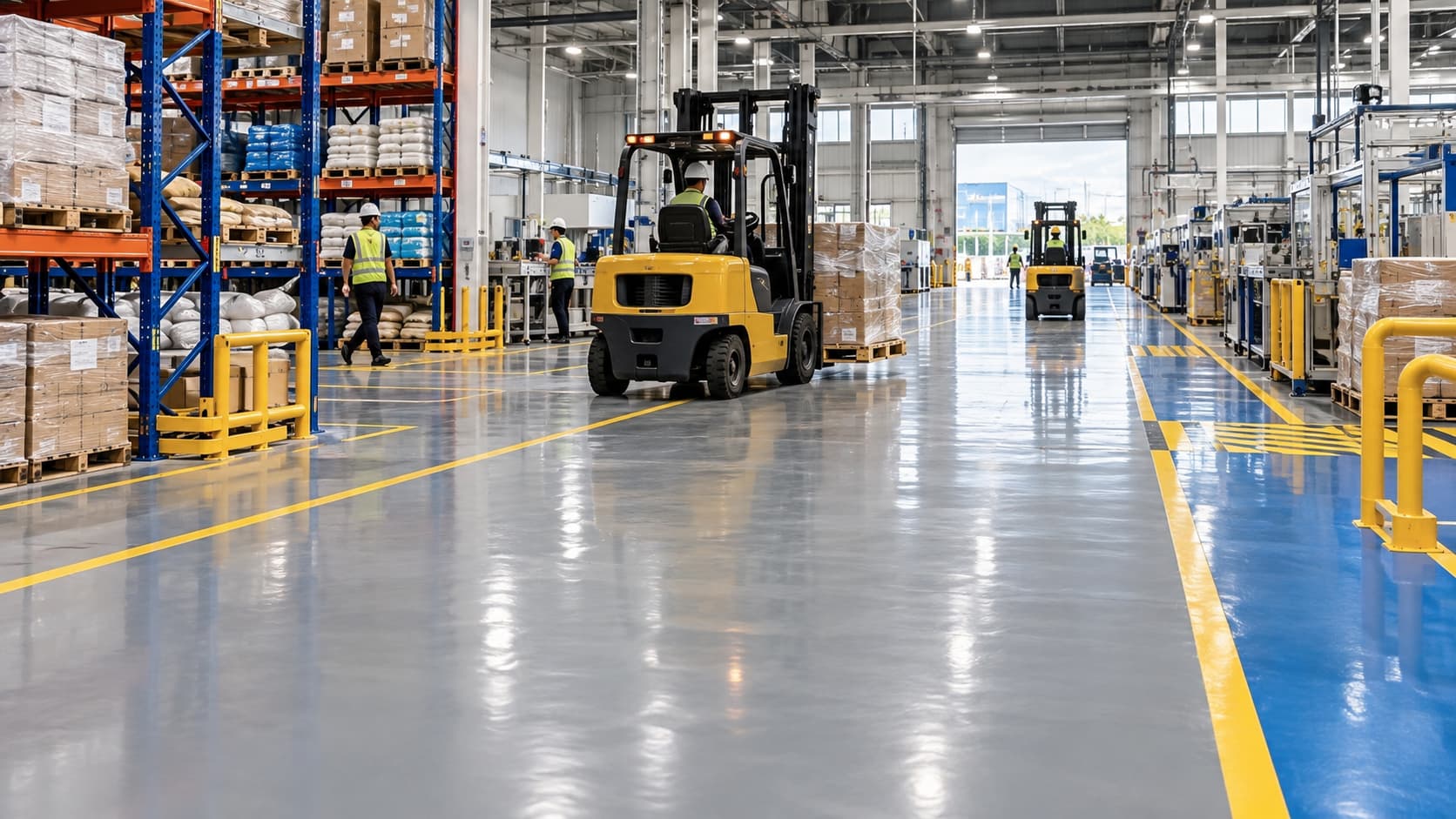
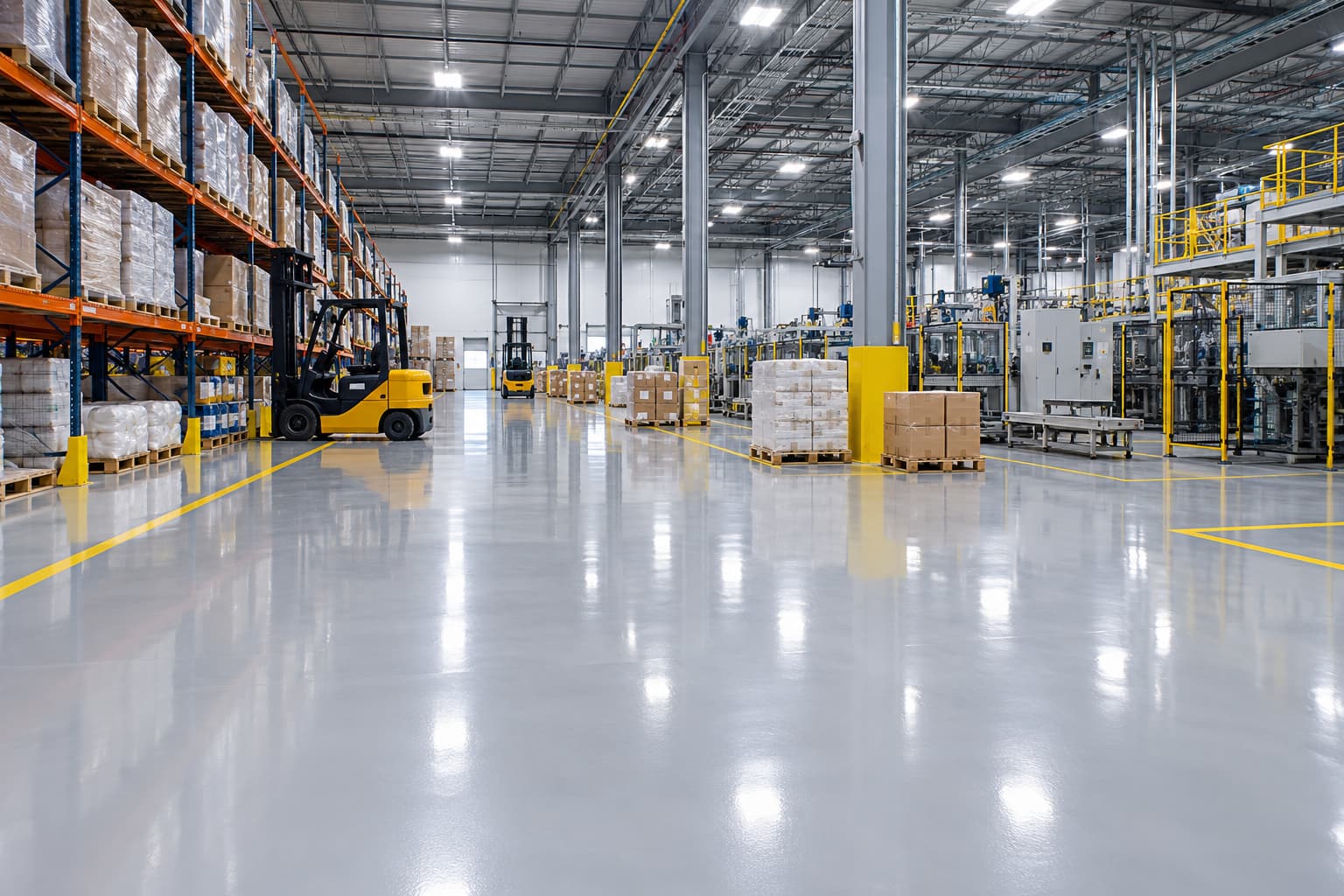
Commercial and industrial facilities need waterproofing systems that can perform under real operating conditions. These may include wet production areas, warehouses, loading docks, cold storage rooms, basements, roof decks, food processing floors, pharmaceutical areas, car parks, and equipment rooms.
When a waterproofing system fails, the damage can affect more than the floor or wall finish. It can disrupt operations, expose equipment to moisture, create hygiene risks, weaken concrete, increase maintenance costs, and cause compliance concerns.
This is why understanding how to prevent waterproofing system failure in commercial and industrial projects is important for facility managers, plant teams, contractors, developers, and compliance professionals. The goal is not only to stop leaks. It is to prevent the conditions that cause waterproofing systems to fail in the first place.
What Causes Waterproofing System Failure?
Waterproofing failure usually begins before the system is fully installed. Problems often come from assumptions made during inspection, preparation, specification, application, or maintenance.
- poor surface preparation
- hidden slab moisture
- wrong material selection
- incompatible primer or membrane
- poor detailing around joints and penetrations
- application under unsuitable site conditions
- insufficient curing time
- lack of post-installation inspection
- delayed maintenance
- heavy traffic or chemical exposure beyond the system’s limits
Moisture from concrete floor slabs can affect flooring systems and coatings, especially when excess moisture remains after installation. It may lead to debonding, coating deterioration, and microbial growth, which is why moisture testing before installing floor coverings or coatings is an important step in preventing waterproofing failure.
For waterproofing projects, this means the slab condition must be confirmed before application begins.
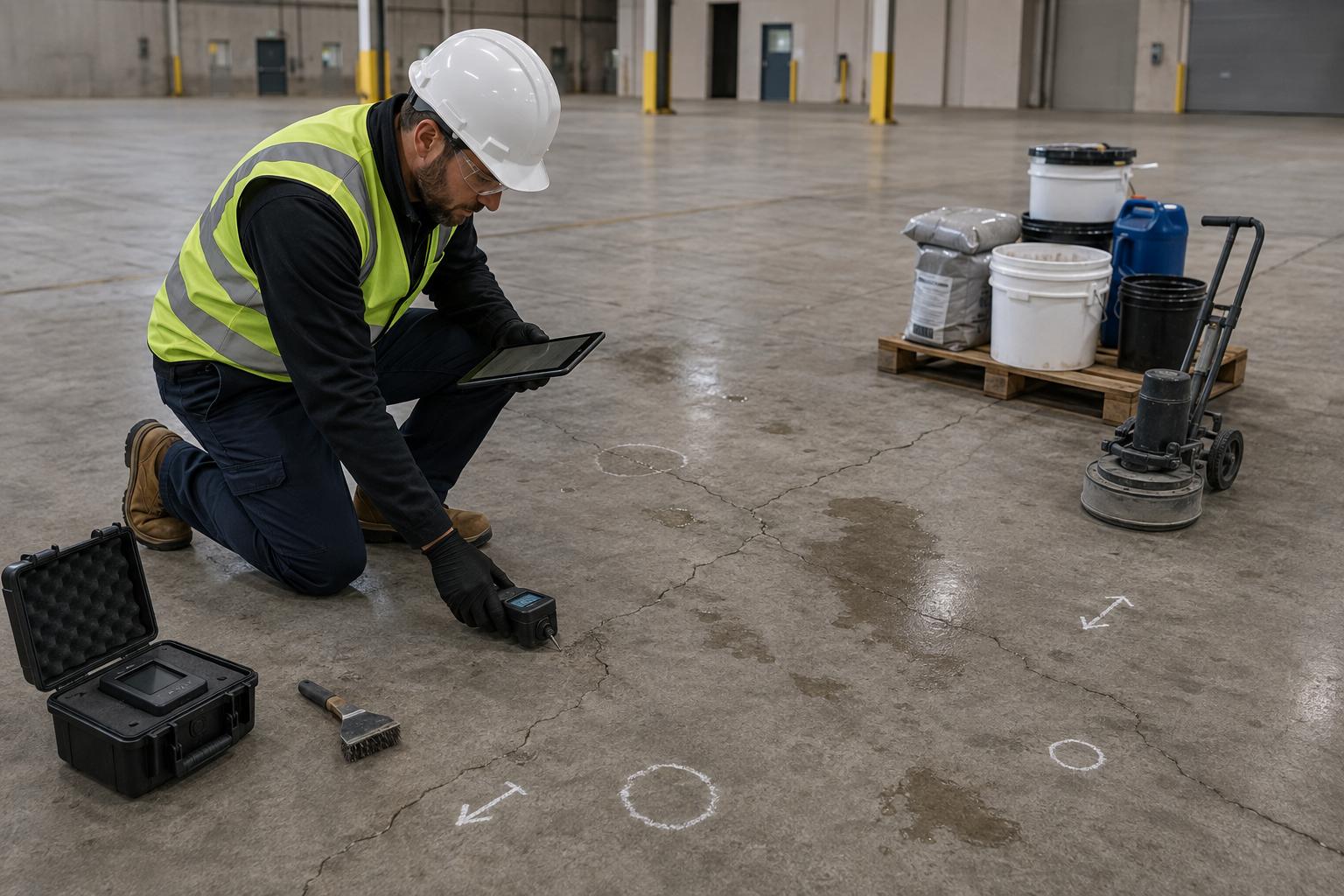
Start With a Proper Site Inspection
A proper site inspection helps confirm whether the waterproofing approach fits the actual project conditions. It checks the surface condition, moisture source, project area, and structural use before any system is recommended. Without this step, the project may rely on product claims, budget limits, or routine choices instead of the site’s real performance needs.
An inspection should check:
- current moisture condition
- visible cracks and joints
- drainage and slope
- floor or wall contamination
- existing coatings or membranes
- surface strength
- water entry points
- traffic exposure
- chemical exposure
- temperature and humidity conditions
- expected operational use
For compliance-sensitive facilities, inspection records can also help document that moisture risks are being handled proactively.
How Surface Preparation Prevents Waterproofing Failure
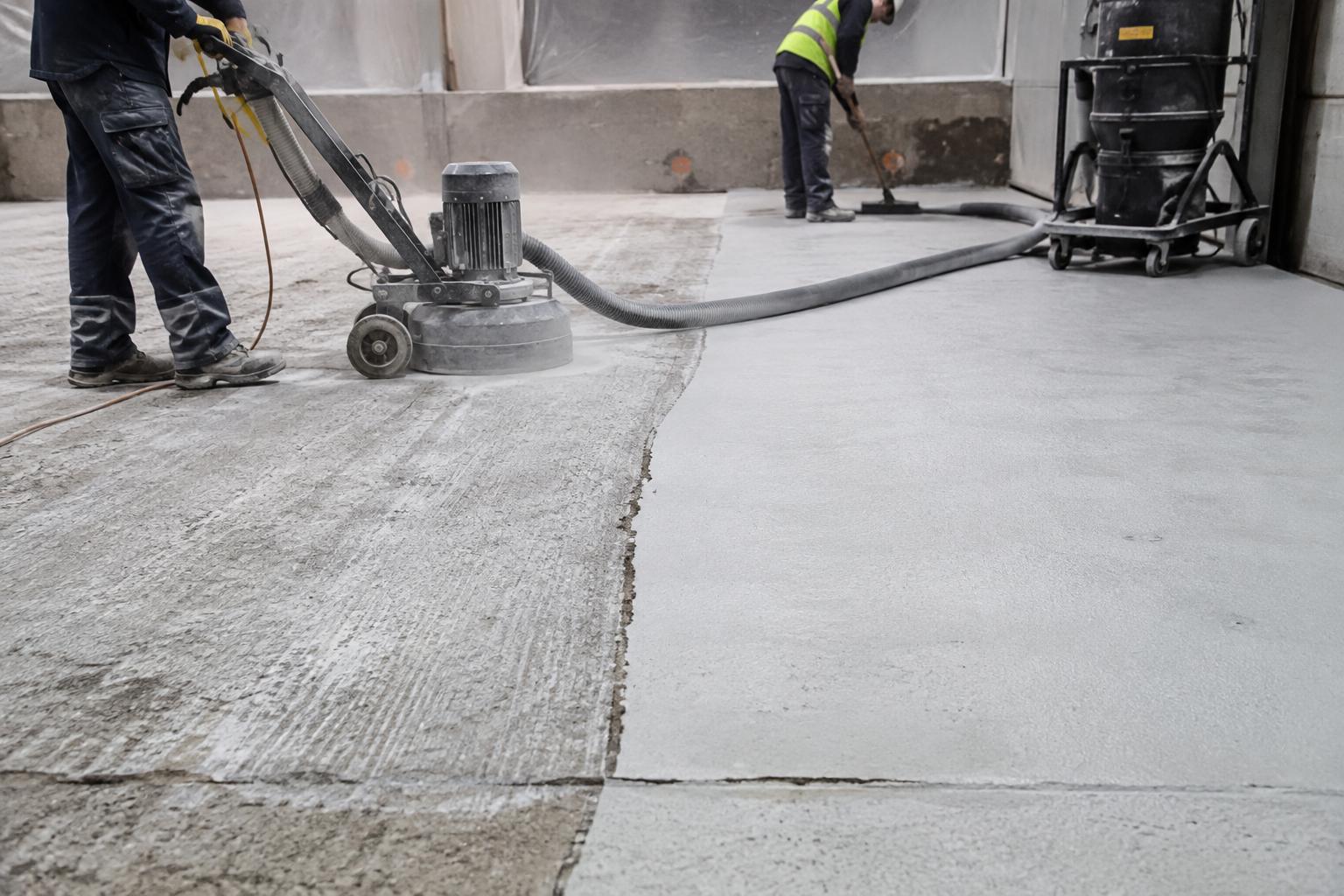
Surface preparation is one of the most important steps in preventing waterproofing failure. Even the best waterproofing material can fail if it is applied over weak, dusty, contaminated, or poorly profiled concrete.
The surface must be clean, sound, and ready to accept the primer or membrane. Before waterproofing begins, concrete defects such as bugholes, voids, weak areas, cracks, and poorly compacted sections should be addressed to help the membrane bond properly and perform as intended.
Remove Bond-Breaking Contaminants
Industrial and manufacturing floors may contain oil, grease, curing compounds, old coatings, dust, laitance, chemical residue, or cutting fluid. These materials can prevent the waterproofing system from bonding properly.
If contaminants are not removed, the system may appear to bond at first but later peel, blister, or delaminate under moisture, traffic, or heat.
Create the Right Surface Profile
Concrete needs the right surface profile for the waterproofing system being applied. A surface that is too smooth may not give the primer enough grip. A surface that is too weak may fail below the coating layer.
Mechanical preparation such as grinding or shot blasting may be needed to open the surface and create a stronger mechanical bond.
Repair Cracks and Defects First
Cracks, hollow areas, honeycombs, voids, and damaged concrete should be repaired before waterproofing. If defects are covered without treatment, water can continue moving beneath the system.
This can lead to hidden seepage, coating failure, or recurring leaks.
Choose Materials Based on Actual Exposure
Material selection should not be based on price alone. Different waterproofing materials perform differently depending on moisture source, movement, temperature, traffic, chemicals, and application area.
For industrial and commercial projects, material selection should match the site’s actual exposure conditions. Resin-based options such as epoxy flooring systems and polyurethane flooring systems may support areas that require stronger resistance to traffic, chemicals, moisture, or thermal changes.
The right system also depends on the waterproofing material itself. Common options in the Philippines include epoxy waterproofing, cementitious systems, bituminous coatings, polyurethane coatings, liquid-applied membranes, crystalline admixtures, and integral cement.
For Chemical Exposure
Facilities that use cleaning agents, disinfectants, oils, solvents, or processing chemicals need waterproofing systems with the right chemical resistance. A standard coating may fail quickly if it is not designed for the actual chemical exposure.
This is especially important in food processing, pharmaceutical, manufacturing, and maintenance areas.
For Thermal Shock
Commercial kitchens, cold storage facilities, and wet processing areas may experience temperature changes from hot water, steam, refrigeration, or cleaning cycles. If the waterproofing system cannot handle thermal movement, cracking or delamination may occur.
For Heavy Traffic
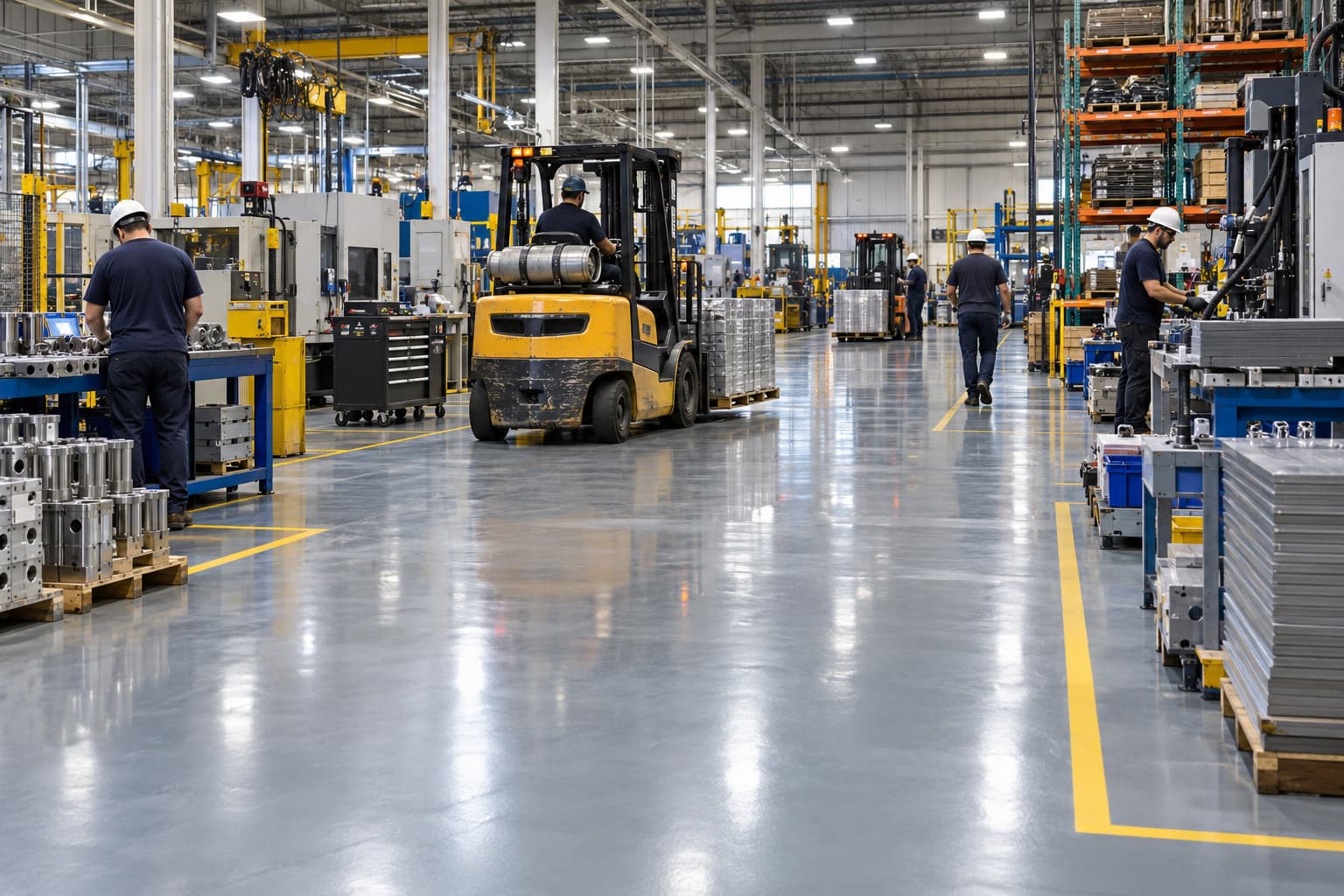
Forklifts, pallet jacks, carts, and equipment loads can wear down waterproofing layers over time. High-traffic areas may need stronger systems, reinforced detailing, protective topcoats, or planned recoating schedules.
For Structural Movement
Areas with joints, cracks, deck movement, or vibration need systems that can tolerate movement. Rigid materials may crack when the substrate moves, while flexible or crack-bridging systems may perform better in certain applications.
Control Application Conditions
Even with the right material and surface preparation, poor application can still cause system failure. Waterproofing products are sensitive to conditions such as humidity, temperature, surface moisture, curing time, mixing ratio, and application thickness.
Application teams should check:
- whether the substrate is dry or moisture-tolerant enough for the system
- whether the surface temperature is within the product’s acceptable range
- whether the primer is compatible with the membrane
- whether the correct film thickness is achieved
- whether joints, drains, corners, and penetrations are properly detailed
- whether curing time is protected from traffic, rain, dust, or chemical exposure
These details matter because waterproofing systems often fail at transitions, penetrations, edges, joints, and poorly prepared surfaces.
Do Not Skip Moisture Testing
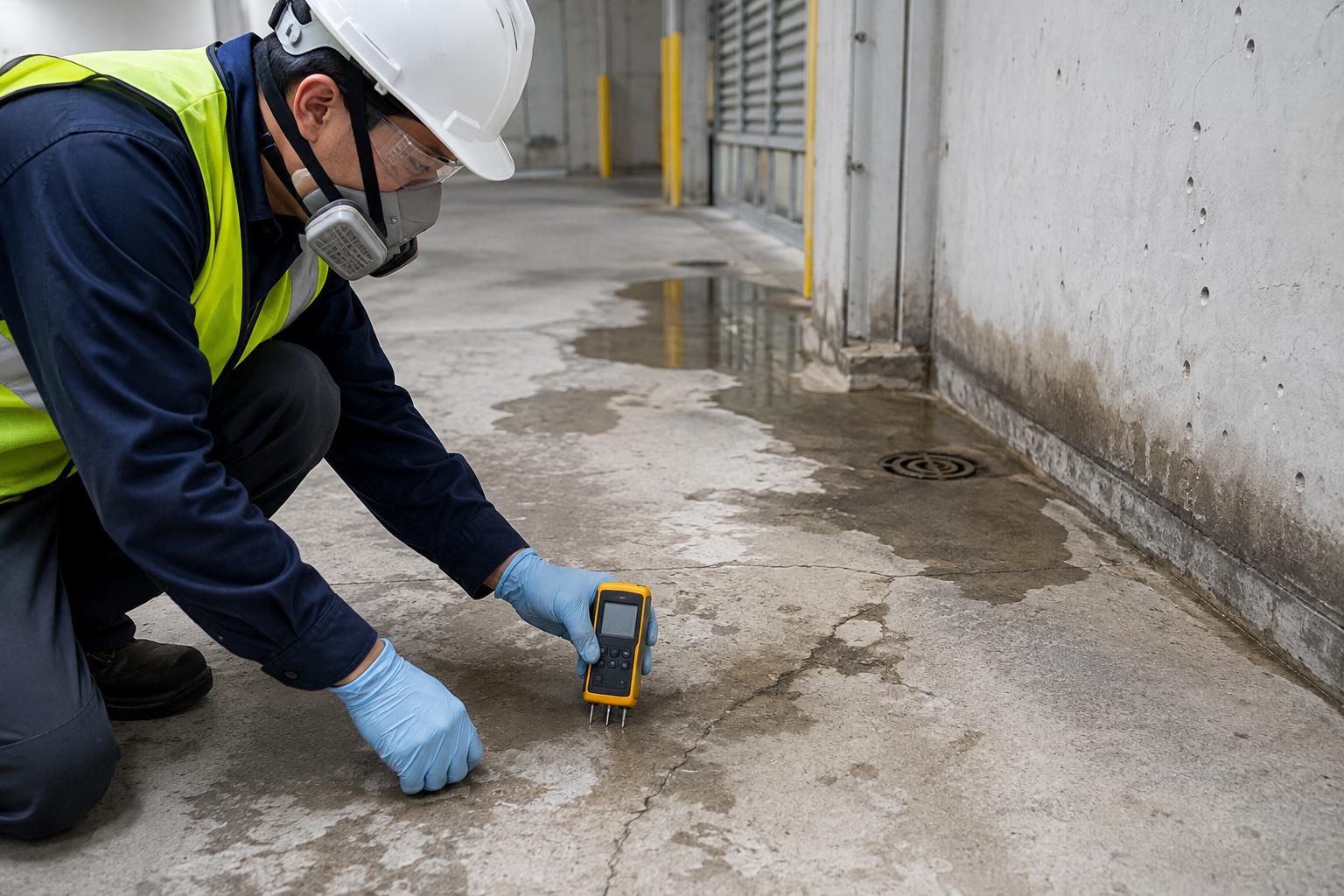
Moisture testing is critical before applying waterproofing or coatings over concrete. A floor can look dry at the surface while still holding moisture deeper in the slab.
If a vapor-impermeable coating is installed over a slab with excessive moisture, pressure can build beneath the system. This may cause blistering, debonding, or coating deterioration.
Moisture testing becomes even more important when warning signs are already visible. Damp spots, stains, cracks, mold, coating failure, and surface deterioration should be checked early so the team can identify the moisture source before choosing the right repair or waterproofing solution.
For commercial and industrial projects, moisture testing is especially important in:
- ground-floor slabs
- basements
- cold storage areas
- wet processing rooms
- food production areas
- warehouses with old slabs
- areas with previous coating failure
- spaces near drains or wall-floor joints
Moisture testing helps prevent the team from applying the right product to the wrong substrate condition.
Inspect Critical Details Before Turnover
Waterproofing systems often fail at weak points, not across the entire surface. This is why final inspection should focus on details that are most vulnerable to water entry.
Critical details include:
- drains
- pipe penetrations
- wall-floor joints
- expansion joints
- construction joints
- corners and coves
- equipment bases
- column bases
- thresholds
- roof deck penetrations
- cracks and repaired areas
For industrial and manufacturing facilities, these details often experience repeated water exposure, cleaning, impact, vibration, or traffic. If they are not sealed or reinforced correctly, moisture can enter even if the main membrane area is properly applied.
Maintain the System After Installation
Waterproofing performance does not end after installation. Maintenance is needed to keep the system functional over time.
Commercial and industrial facilities should schedule routine inspections to check for:
- cracks
- blisters
- peeling
- worn topcoats
- joint sealant failure
- damp spots
- water stains
- ponding
- surface erosion
- chemical attack
- abrasion in high-traffic lanes
Routine maintenance is especially important in Philippine commercial buildings, where heavy rainfall, humidity, water seepage, aging infrastructure, and poor waterproofing practices can increase failure risks. Regular inspections and timely repairs help prevent these issues from becoming larger system failures.
How Often Should Waterproofing Systems Be Checked?
Inspection frequency depends on the facility type, exposure level, and operational risk. However, commercial and industrial projects should not wait until visible leaks appear.
A practical schedule may include:
- visual checks after heavy rain or washdown cycles
- quarterly walkthroughs in wet or high-traffic areas
- semi-annual inspections for drains, joints, and penetrations
- annual technical assessment for critical areas
- immediate inspection after cracks, blisters, stains, or damp spots appear
For compliance-sensitive facilities, records of inspection and maintenance can support internal audits, safety checks, and preventive maintenance planning.
Preventing Failure Starts With the Right Waterproofing System
Preventing waterproofing system failure in commercial and industrial projects requires more than choosing a waterproofing product. It requires site inspection, proper surface preparation, accurate moisture testing, correct material selection, skilled application, detail inspection, and routine maintenance.
A weak link in any of these steps can affect the whole system. Poorly prepared concrete can cause delamination. Hidden slab moisture can create blisters. The wrong material can fail under chemicals, traffic, or thermal shock. Skipped maintenance can allow small cracks to become major leaks.
Waterproofing system selection should match the site’s actual exposure, structure type, durability needs, and project conditions. These factors help teams choose a waterproofing approach that fits both the building environment and long-term performance requirements.
Key Takeaway
To prevent waterproofing system failure, inspect the site, prepare the surface, test for moisture, choose the right material, apply it properly, and maintain it regularly. This helps avoid premature failure, downtime, and costly repairs.
Planning a waterproofing project for a commercial, industrial, or manufacturing facility? Work with Flooring Solutions Philippines for site inspection, product specification, surface preparation, application, repairs and maintenance, and after-sales support. Contact the team to choose a waterproofing system built for your facility’s actual conditions.