Key Specifications to Check Before Ordering FRP Panels for Your Project

What are the key specifications to check before ordering FRP panels for your project?
- Material and performance
- Environmental and safety considerations
- Certifications and project-specific needs
- Installation components
Overview
- Resin type, thickness, surface finish, and chemical, UV, and abrasion resistance determine FRP panel durability.
- Meeting fire ratings and building codes ensures safety.
- Partnering with Flooring Solutions provides customization, proper installation, and verified references for a long-lasting, high-performance wall system.
Fiberglass Reinforced Plastic (FRP) panels are a versatile, durable, and cost-effective solution for a wide range of commercial and industrial applications. While FRP is appealing for its strength and corrosion resistance, not all panels are created equal.
The success, longevity, and regulatory compliance of your installation hinge on looking beyond the initial price tag. You must select panels—such as the industry-leading solutions from Crane Composites—that precisely match the rigorous demands of your intended environment.
This guide details the essential specifications to check before ordering FRP panels for your project, categorized into material properties, physical attributes, and supplier details.
Material and Performance
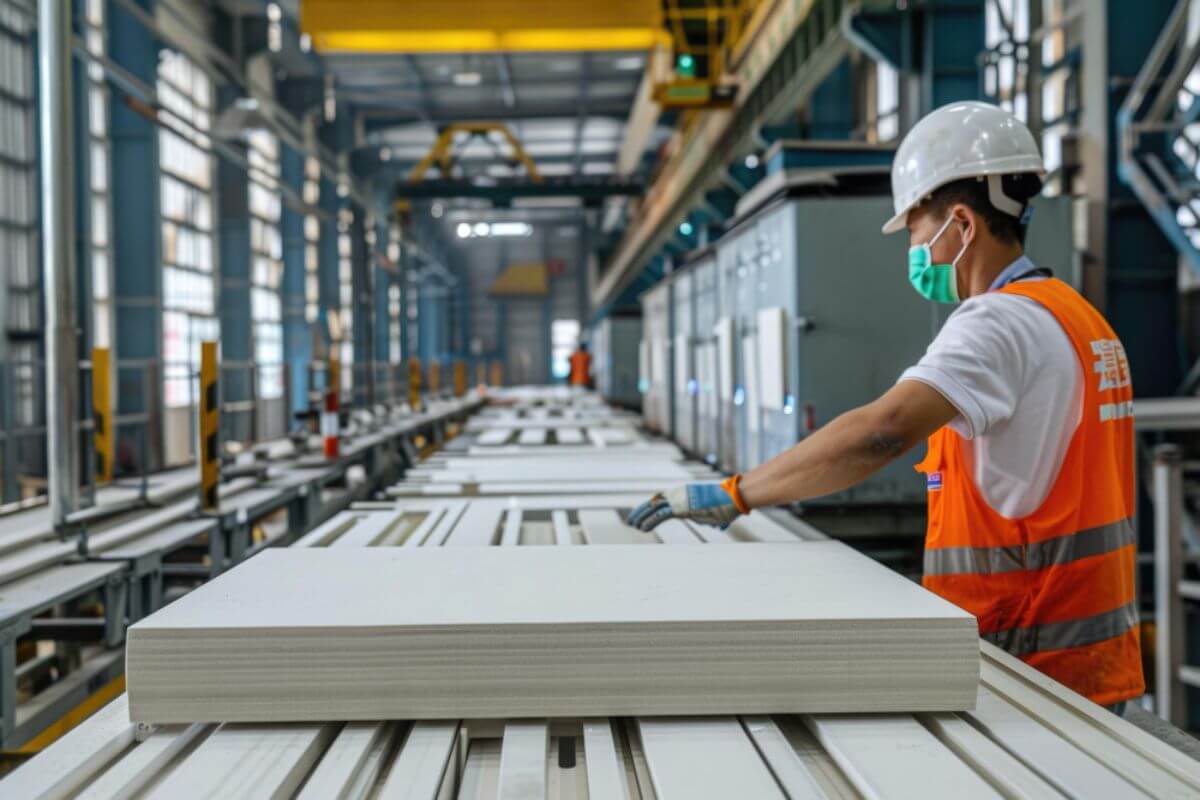
Material quality dictates how well your FRP panels perform under mechanical, chemical, and environmental stress.
Resin Type
The resin forms the panel’s core structure and dictates its chemical resistance, durability, and mechanical strength. Polyester resins are suitable for general applications, vinyl ester resins resist harsh chemicals, and epoxy resins provide superior strength for heavy-duty projects. Selecting the right resin ensures the panel withstands moisture, chemical exposure, and mechanical stress.
Thickness
Thickness is often specified in thousandths of an inch (e.g., 0.090″ or 0.120″). Thicker panels resist bending and deformation under mechanical or environmental stress, while thinner panels are easier to handle and install. Match thickness to the application to prevent structural issues and unnecessary reinforcement.
Surface Finish
A smooth, gel-coated surface resists dirt, staining, and moisture absorption, making cleaning easier and preventing microbial growth. Textured surfaces can improve slip resistance or hide minor surface imperfections, but they may require more maintenance.
UV Resistance
UV resistance prevents discoloration, brittleness, and material breakdown from prolonged sun exposure. Panels with high UV stability maintain appearance and strength, even in outdoor or sunlit indoor areas.
Abrasion Resistance
Ensures the panel can withstand repeated contact, cleaning, or impact without surface damage. This is critical for high-traffic areas or industrial settings where panels encounter regular wear.
Environmental and Safety Considerations
The panel system must operate safely and effectively within the ambient conditions of your facility, particularly concerning moisture, temperature, and fire safety.
Moisture and Water Resistance
FRP panels must resist moisture absorption to avoid warping, swelling, or mold growth. High-quality panels are suitable for humid or wet environments like bathrooms, kitchens, or processing areas.
Chemical Resistance
Check the panel’s compatibility with the chemicals it may contact, including cleaners, acids, or alkalis. Chemical-resistant panels maintain structural integrity and prevent discoloration or surface damage.
Temperature Limits
Verify the operating temperature range. Panels that can’t handle high heat or cold may deform, delaminate, or lose mechanical strength. Choose panels designed for the temperature extremes of the installation site.
Flame Spread Rating
The Flame Spread Rating (FSR) is typically determined by ASTM E-84 testing. You must specify a Class A/I (FSI 0-25) panel for all commercial interiors. This top rating is essential for public safety and legal compliance, ensuring the material will not contribute to the rapid spread of fire.
Building Code Compliance
You must confirm that the panel’s specifications, including its fire rating and material composition, meet all local requirements. In the Philippines, this means confirming adherence to the National Building Code (PD 1096) and relevant provisions under the Fire Code of the Philippines (RA 9514).
Certifications and Project-Specific Needs
Evaluating the supplier’s credentials and installation documentation is essential due diligence.
Certifications
Look for panels tested and certified by recognized standards such as ASTM, ISO, or UL, which confirm mechanical strength, fire performance, and chemical resistance. Certified panels provide measurable assurance of quality and are often required for commercial and industrial projects.
Manufacturer and Installer References
Work with reputable suppliers and certified installers. Verified references and completed project portfolios indicate experience and reliability, reducing the risk of installation errors or material defects.
Customization
Some projects may require specific sizes, colors, textures, or edge treatments. Confirm that the supplier can provide customized panels without compromising material performance. Customization ensures aesthetic consistency and proper fit for your design.
Minimum Order Requirements
Understand the supplier’s minimum order quantities and lead times. Planning your order avoids delays, ensures adequate stock for the project, and helps manage storage logistics efficiently.
Installation Components
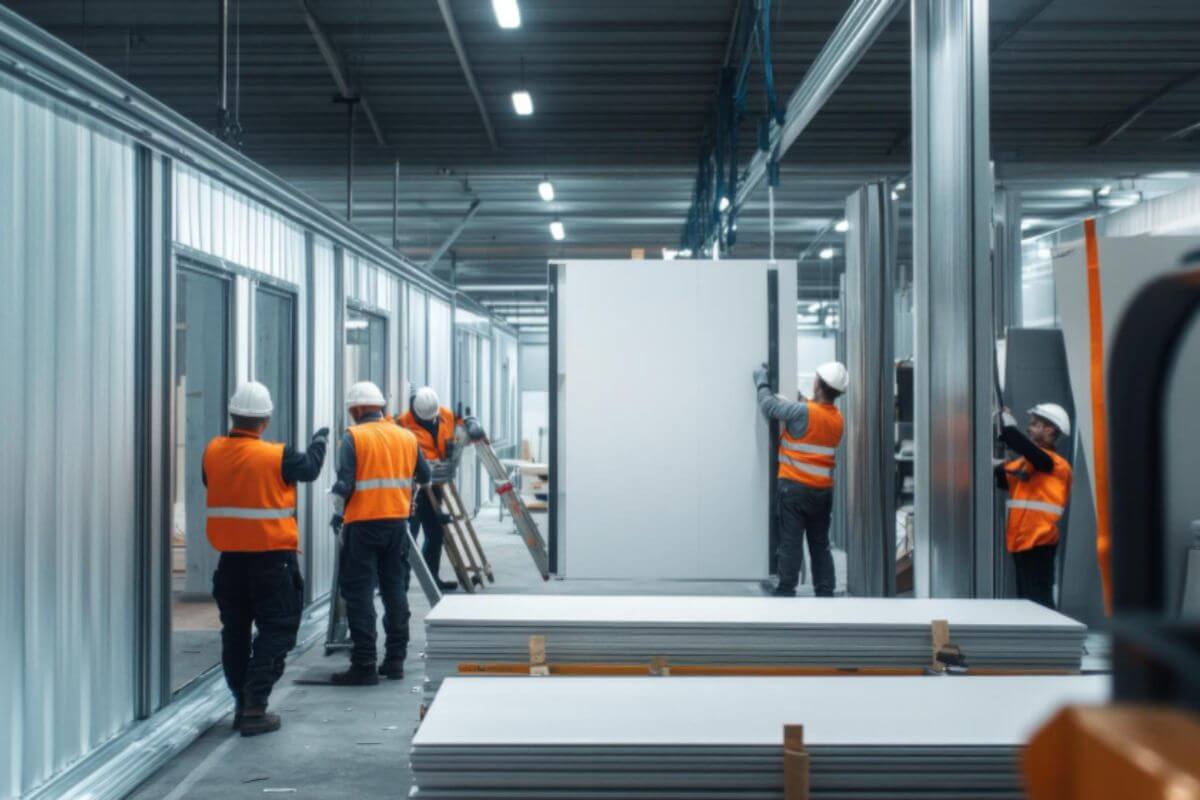
The performance of the entire system is only as strong as its weakest component. While the panel is the centerpiece, the auxiliary materials used for installation are essential for maintaining the panel’s hygiene and structural integrity.
Adhesives and Sealants
Use polyurethane-based or epoxy adhesives designed for fiberglass or composite materials. These adhesives create strong, long-lasting bonds that resist moisture and chemical exposure.
Sealants should be silicone or polyurethane types compatible with the panel surface to prevent water infiltration at joints and seams. Avoid generic caulks, as they may not adhere properly or may degrade over time in humid environments.
Trim and Molding
Use PVC, aluminum, or FRP-specific molding trims to finish edges and corners. These trims protect vulnerable panel edges from chipping, water penetration, or accidental impact.
In wet or industrial areas, choose waterproof or chemically resistant trims to prevent corrosion and ensure the panels maintain a clean, professional appearance.
Fasteners
Select stainless steel or coated screws, bolts, and anchors compatible with FRP panels. Avoid untreated steel that can rust and stain the panels.
Fasteners should be properly spaced and countersunk to prevent stress points that could crack or warp the panels under load or thermal expansion.
Key Takeaway
Knowing the specifications to check before ordering FRP panels for your project translates directly into fewer maintenance headaches, safer environments, and longer-lasting performance.
Partnering with Flooring Solutions provides expert guidance, certified Crane Composites products, and solutions tailored to your project. Ensure a reliable, high-performing installation—contact Flooring Solutions today to secure your investment.