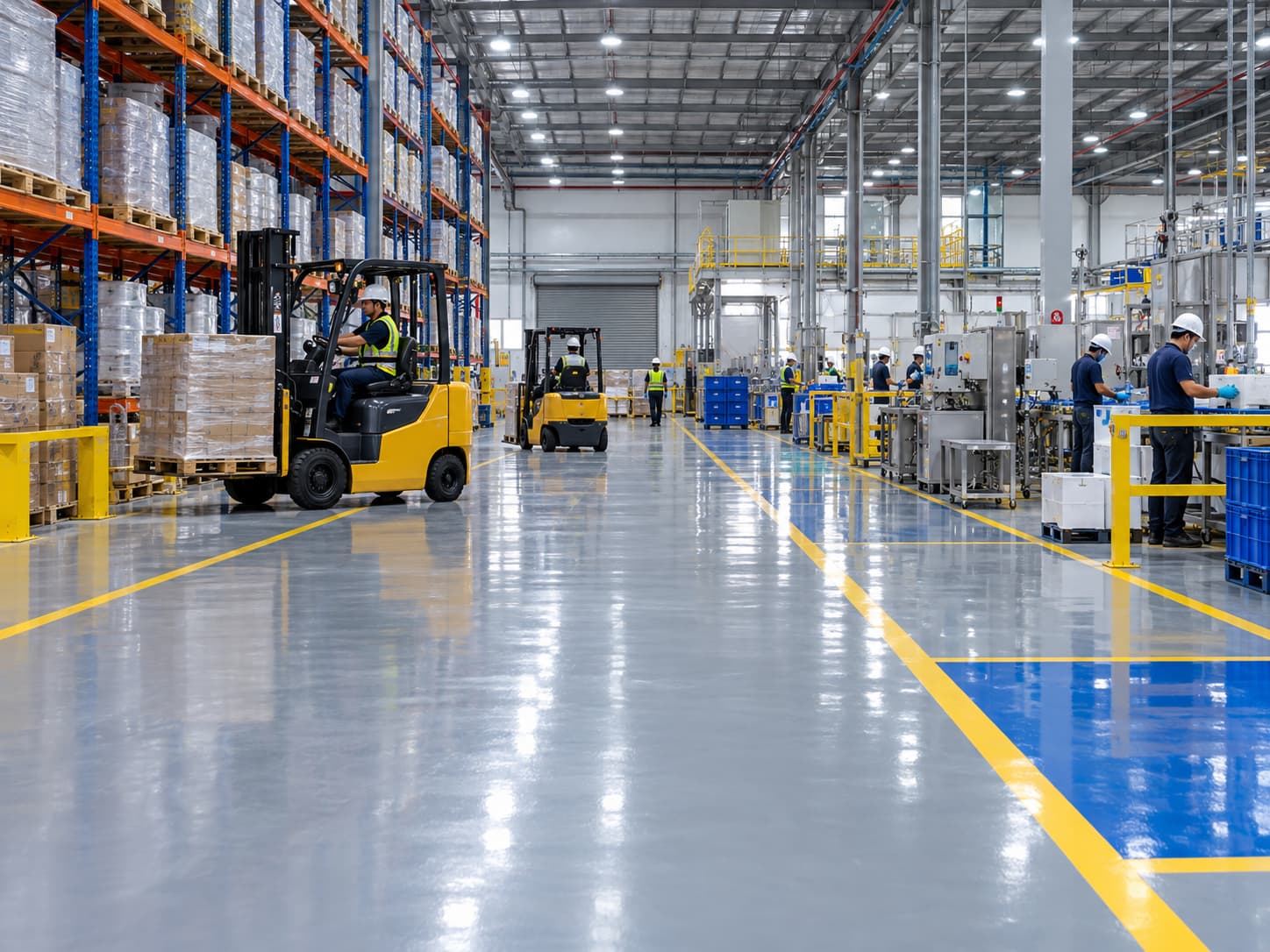
What are the Key Areas in Industrial Buildings that Often Require Waterproofing
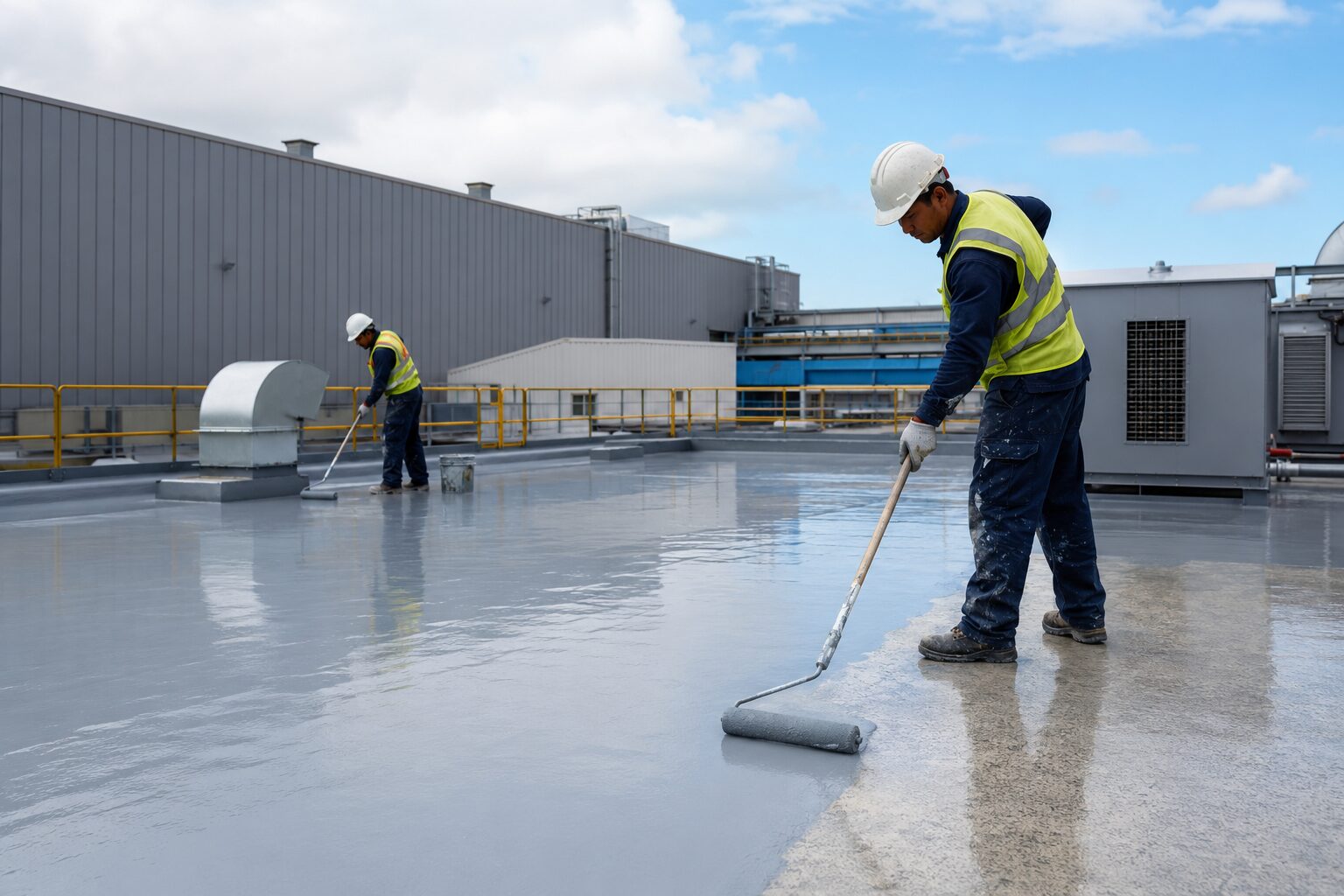
What are the key areas in industrial buildings that often require waterproofing?
- Roofs and terraces
- Foundations and basements
- Bathrooms and wet rooms
- Exterior walls
- Kitchens and utility areas
- Water tanks
Overview
- Industrial facilities face significant risks of water damage, which can affect structures, equipment, and operations.
- This article highlights key areas needing waterproofing, including roofs, basements, wet rooms, exterior walls, kitchens, and water tanks.
- Proper waterproofing enhances durability, prevents moisture damage, reduces maintenance costs, and supports long-term building performance, safety, and operational efficiency.
In industrial and manufacturing facilities, water damage can cause problems beyond visible leaks or surface stains. It can disrupt daily operations, weaken concrete structures, damage equipment, and pose safety risks to workers.
That is why waterproofing should be part of a facility’s long-term maintenance plan. From roofs and basements to production floors and wet areas, the right waterproofing system helps protect important parts of the building from moisture damage.
Let’s take a closer look at the key areas of industrial buildings that often require waterproofing and why protecting them is essential to long-term facility performance.
Roofs and Terraces
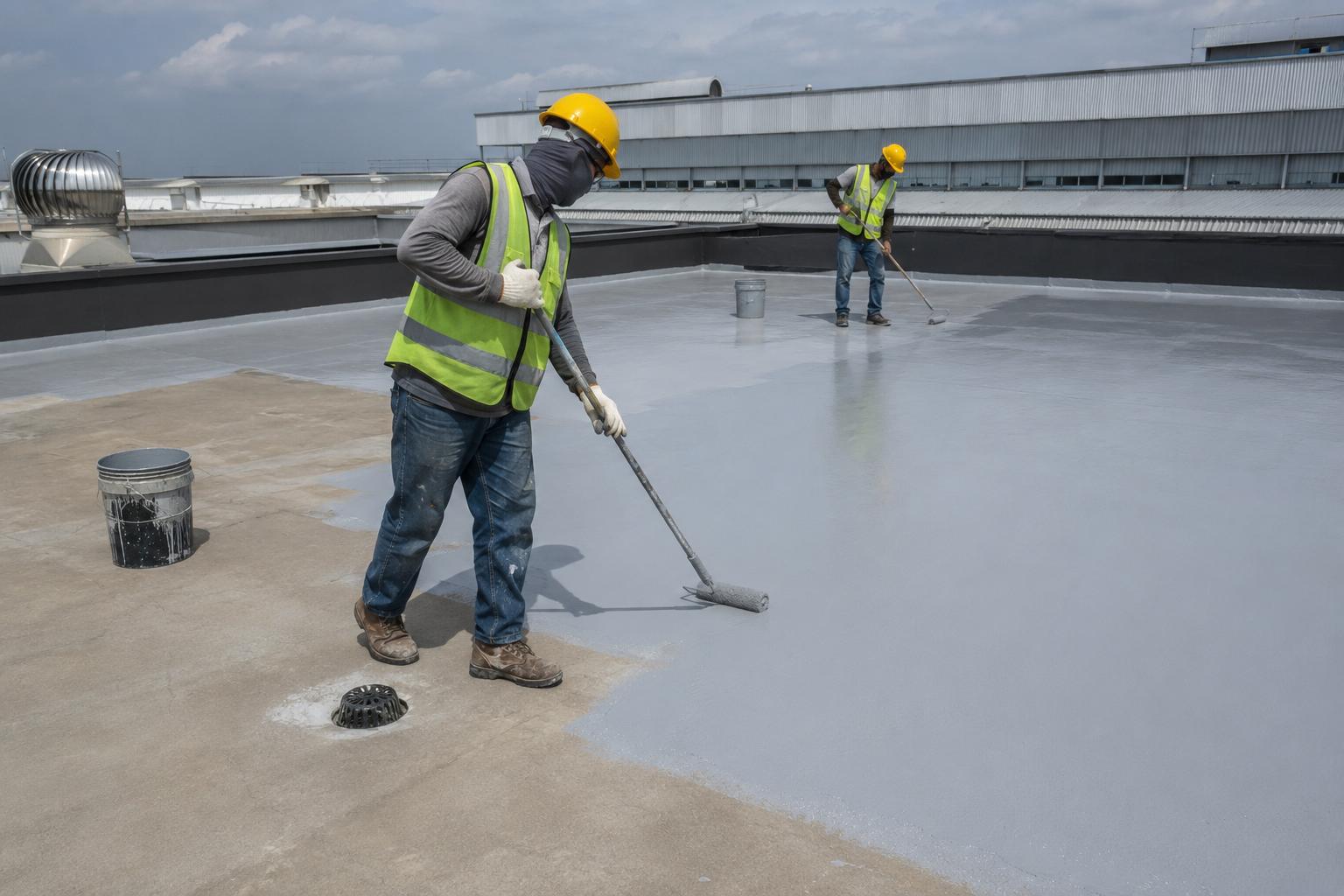
Roofs and terraces are highly exposed to rain, heat, wind, and changing weather, making them the first areas where water issues typically occur. Moisture enters through cracks, worn coatings, or poor drainage and can lead to gradual water infiltration and structural damage if left unprotected.
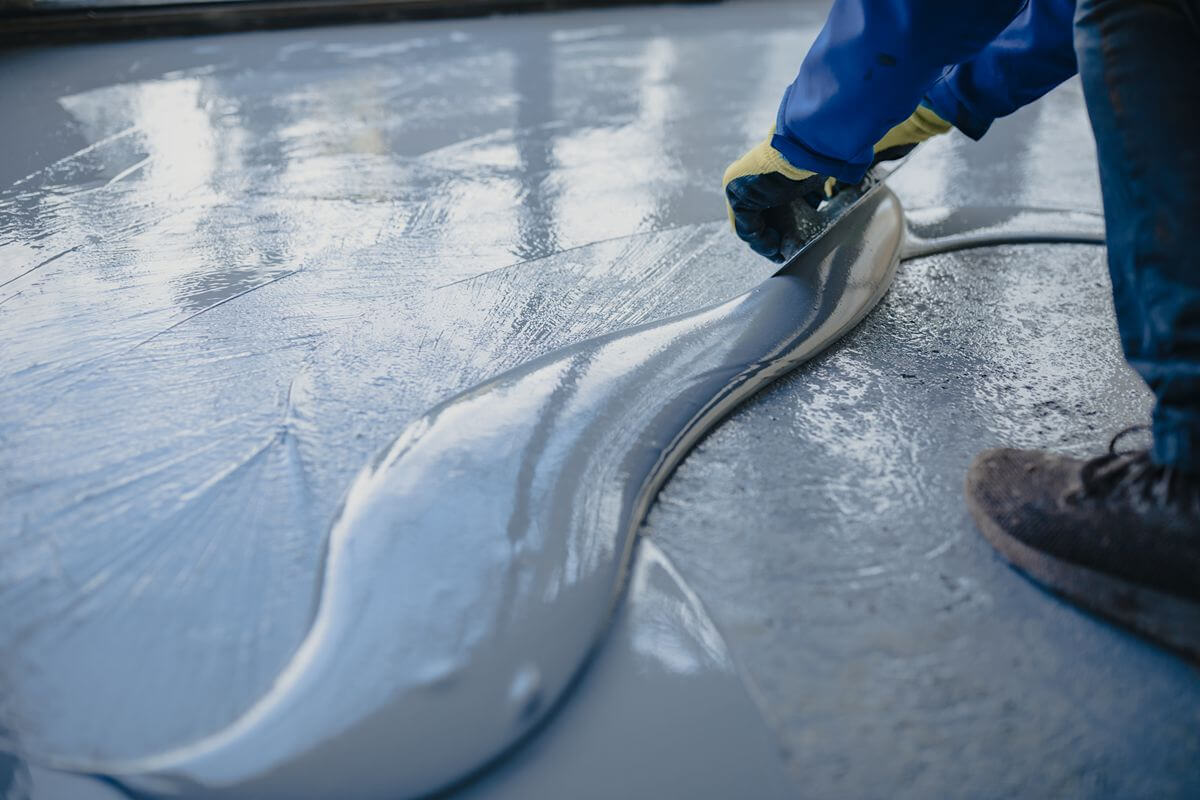
Cold-applied waterproofing systems, such as those offered by Flooring Solutions, provide a seamless and durable protective layer. This method minimizes joints and overlaps, significantly reducing potential entry points for water and improving long-term roof performance.
Foundations and Basements
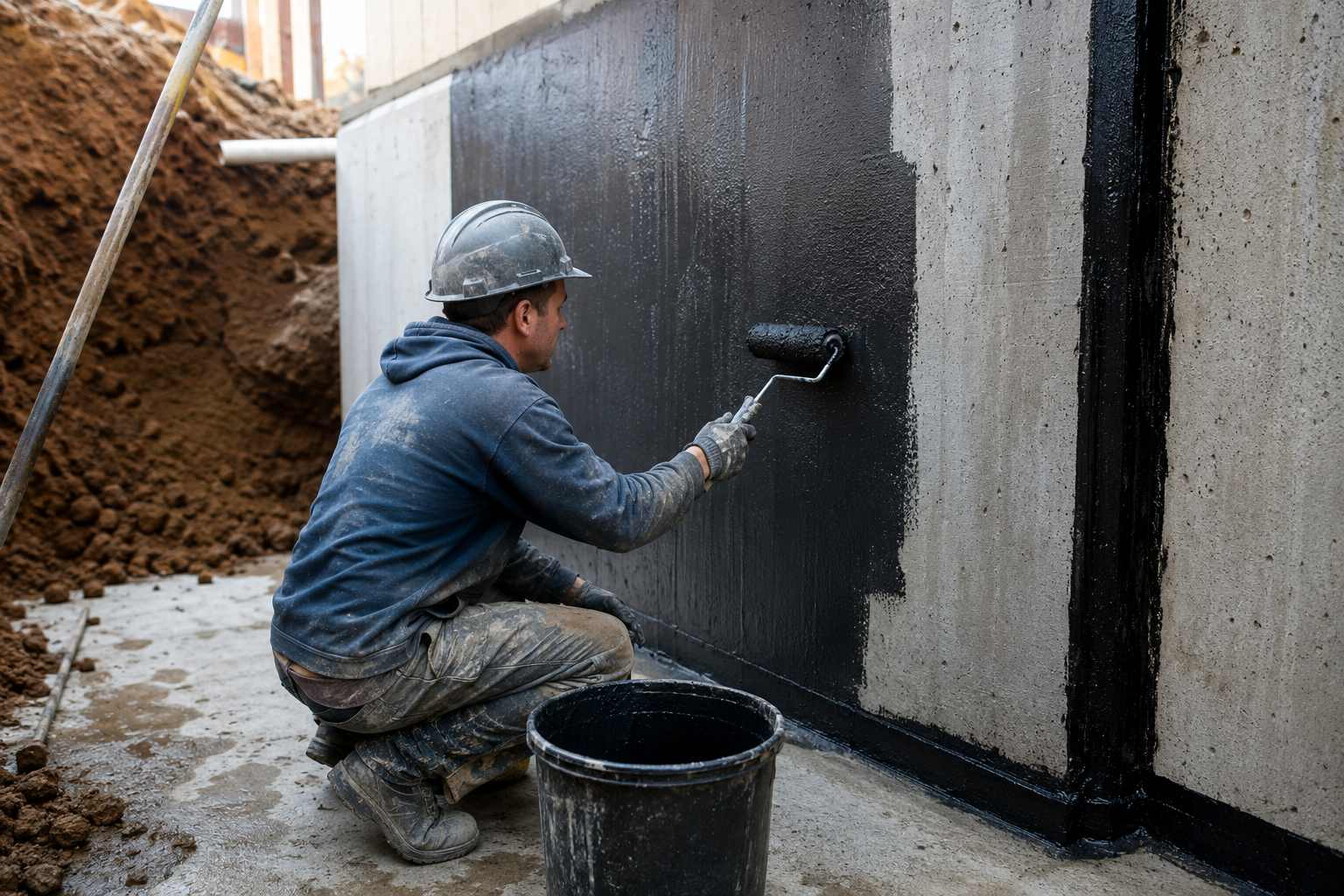
Unlike roofs and terraces that are exposed to rain from above, foundations and basements are affected by moisture from the soil and groundwater around the building.
When groundwater accumulates, it exerts pressure on below-ground walls and concrete slabs. This pressure can push water through small cracks, joints, or weak spots, causing damp walls, mold growth, interior leaks, and long-term structural damage.
Cementitious and liquid-applied coatings can be applied to walls, slabs, or underslab areas to create a tight protective layer against water and moisture vapor.
Bathrooms and Wet Rooms
Bathrooms and wet rooms need proper waterproofing because they are often exposed to water, steam, and regular cleaning. Without proper protection, moisture can penetrate floors, walls, corners, and joints.
Over time, this can lead to mold growth, unpleasant odors, slippery surfaces, and hygiene issues.
To prevent this, PU or polymer-based waterproofing material is applied over the floor and extended up the lower part of the walls. This creates a seamless waterproof layer behind the tiles or cladding. Since the layer is continuous, there are fewer weak points where water can pass through
Exterior Walls
Exterior walls protect industrial buildings from rain, heat, wind, and humidity, but can become vulnerable at joints, through porous finishes, and around windows and other openings.
During heavy rain and strong winds, moisture can penetrate these weak points, leading to damp spots, peeling paint, stains, mold, and algae growth.
Flexible polymer or liquid-applied waterproofing forms a continuous barrier that prevents water absorption and promotes runoff.
Kitchens and Utility Areas
Even small splashes or minor leaks from sinks, drains, dishwashers, and utility lines can become a problem when the surrounding surfaces are not properly sealed. Water may seep under cabinets, into the flooring, behind walls, or into the slab.
Over time, this can lead to warped cabinets, damaged finishes, mold growth, unpleasant odors, and hidden structural issues.
To address this, waterproofing can be applied around the floor, beneath sinks, and near other wet areas to create a sealed protective layer. This helps contain minor leaks or overflow before water reaches the concrete slab, subfloor, or nearby spaces.
Water Tanks
Water tanks, whether underground or overhead, require proper waterproofing because they remain in direct contact with water for extended periods. If the tank has cracks, weak joints, or porous concrete surfaces, water can leak out and damage the structure.
In some cases, outside contaminants may also enter the tank and affect water hygiene.
PU or epoxy coatings can be applied inside the tank. These coatings create a smooth lining that prevents seepage and helps keep contaminants from entering the concrete pores. A properly sealed tank surface also makes cleaning easier and helps maintain better water quality over time.
Primary Benefits of Waterproofing
Waterproofing does more than stop leaks; it helps protect the overall condition, safety, and performance of an industrial building.
- Structural Integrity: Prevent moisture from reaching key structural components such as beams, columns, slabs, and foundations, keeping the building stronger for longer.
- Preventing Dampness: Reduces the risk of long-term dampness and improves indoor air quality, comfort, and overall building hygiene.
- Reduced Maintenance: Prevents peeling paint, cracked walls, and damaged plaster by keeping surfaces dry and protected, reducing the need for frequent repairs over time.
Key Takeaway
Knowing which key areas in buildings require waterproofing is only the first step. What matters next is choosing a system that matches the facility’s exposure, usage, and long-term maintenance needs.
For industrial and manufacturing spaces, Flooring Solutions provides waterproofing solutions designed to protect critical surfaces from water-related damage.
To find the right approach for your facility, get in touch with us today!